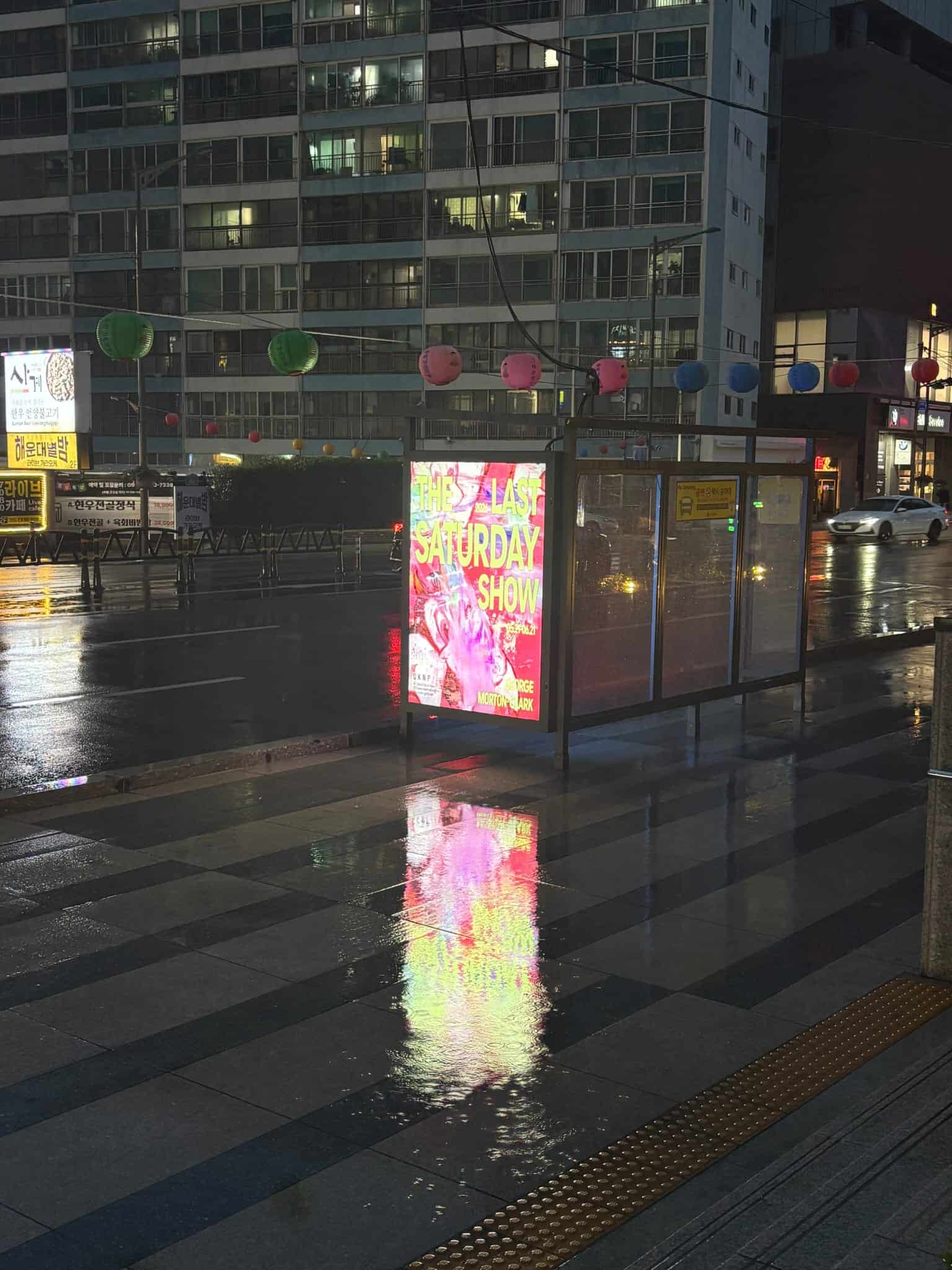
The Last Saturday Show
OKNP Gallery, Busan, May 2026
The Last Saturday Show —
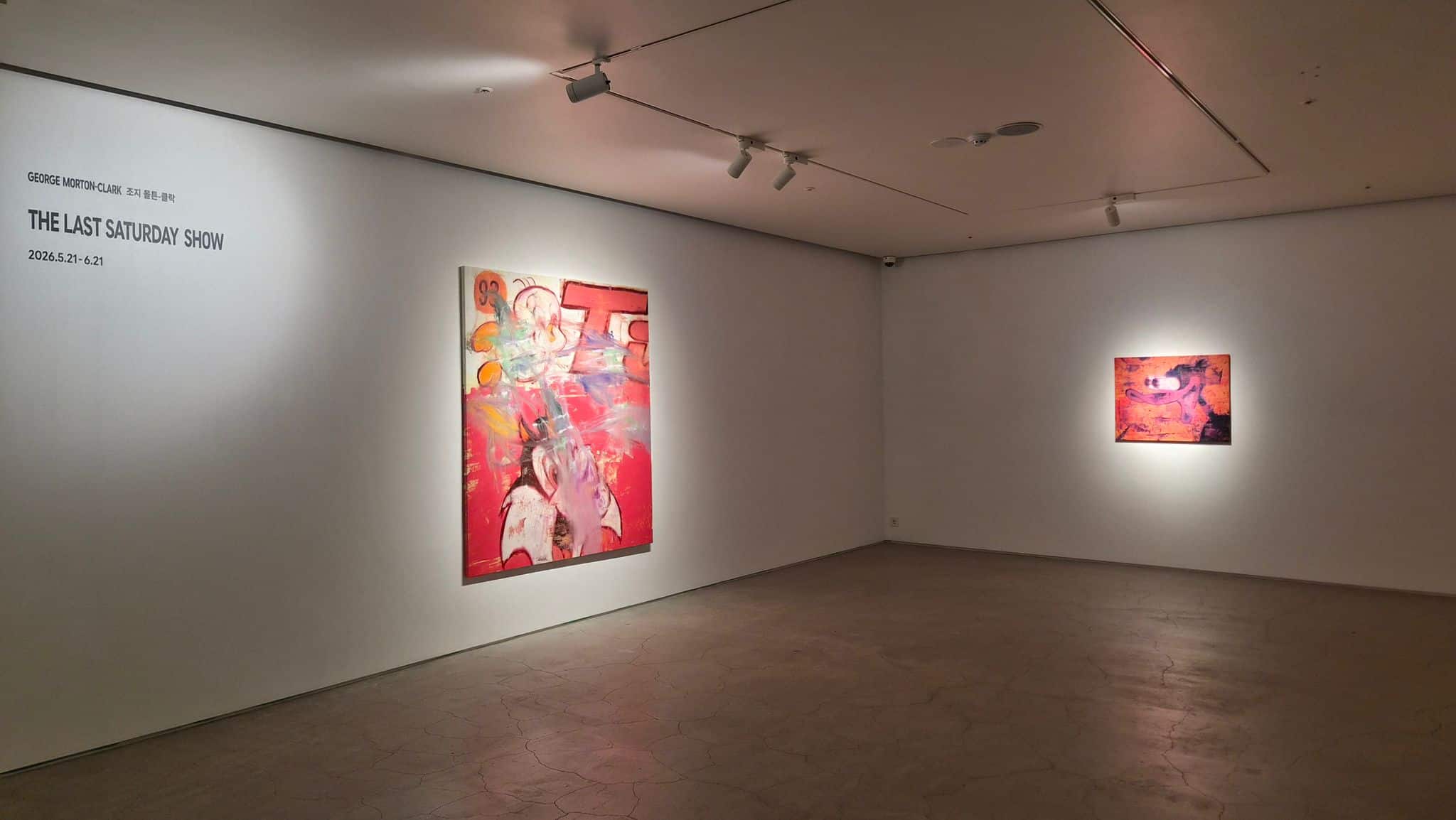
Saturday mornings as a kid felt oddly sacred: cartoons, cereal, noise, ritual, repetition. Looking back, it feels like something disappeared without me noticing. The Last Saturday Show marks that turning point, the last moment before innocence folds into something else. It isn’t soft nostalgia. It’s what happens when it breaks, like childhood cut off by the adverts.
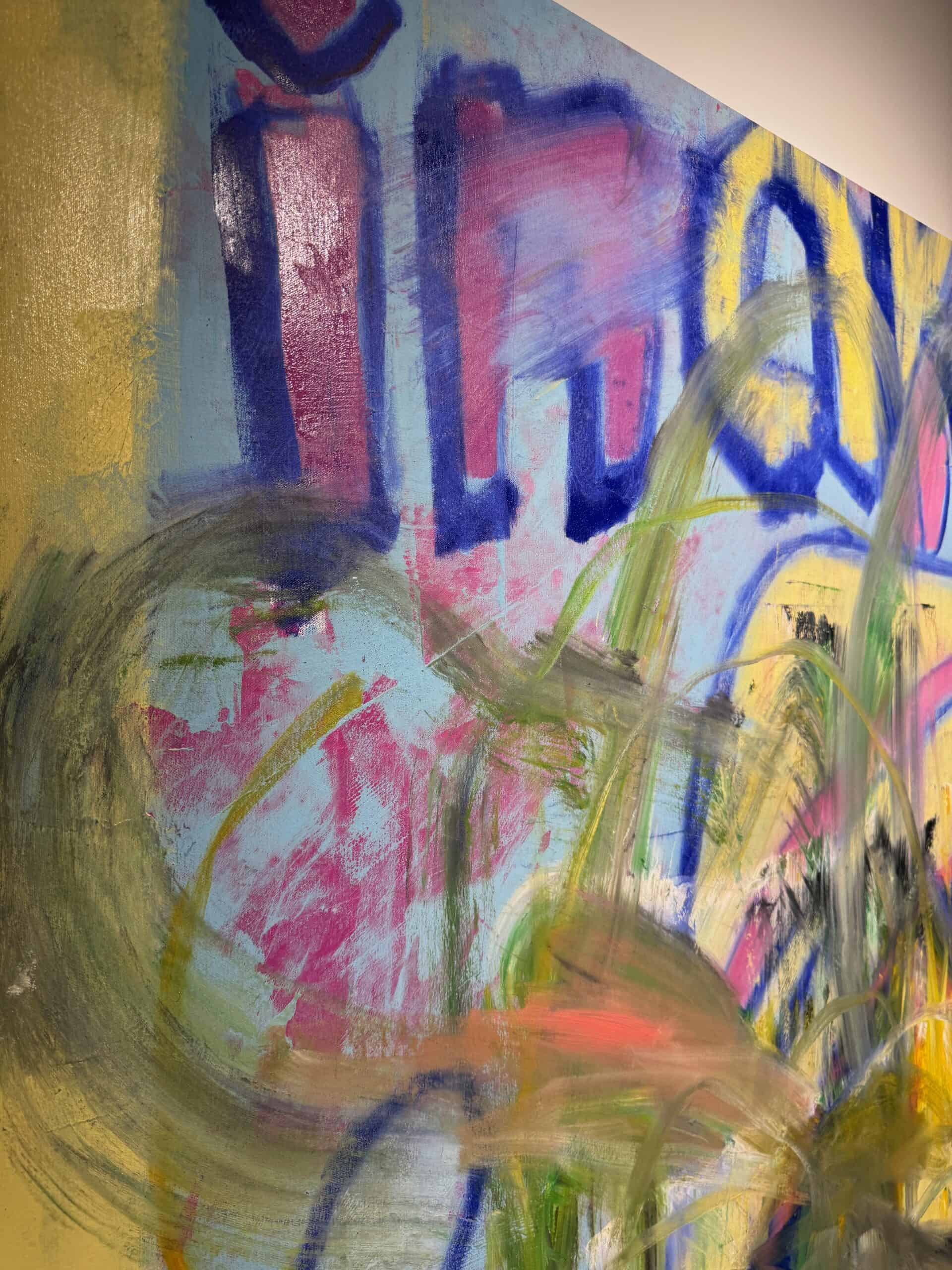
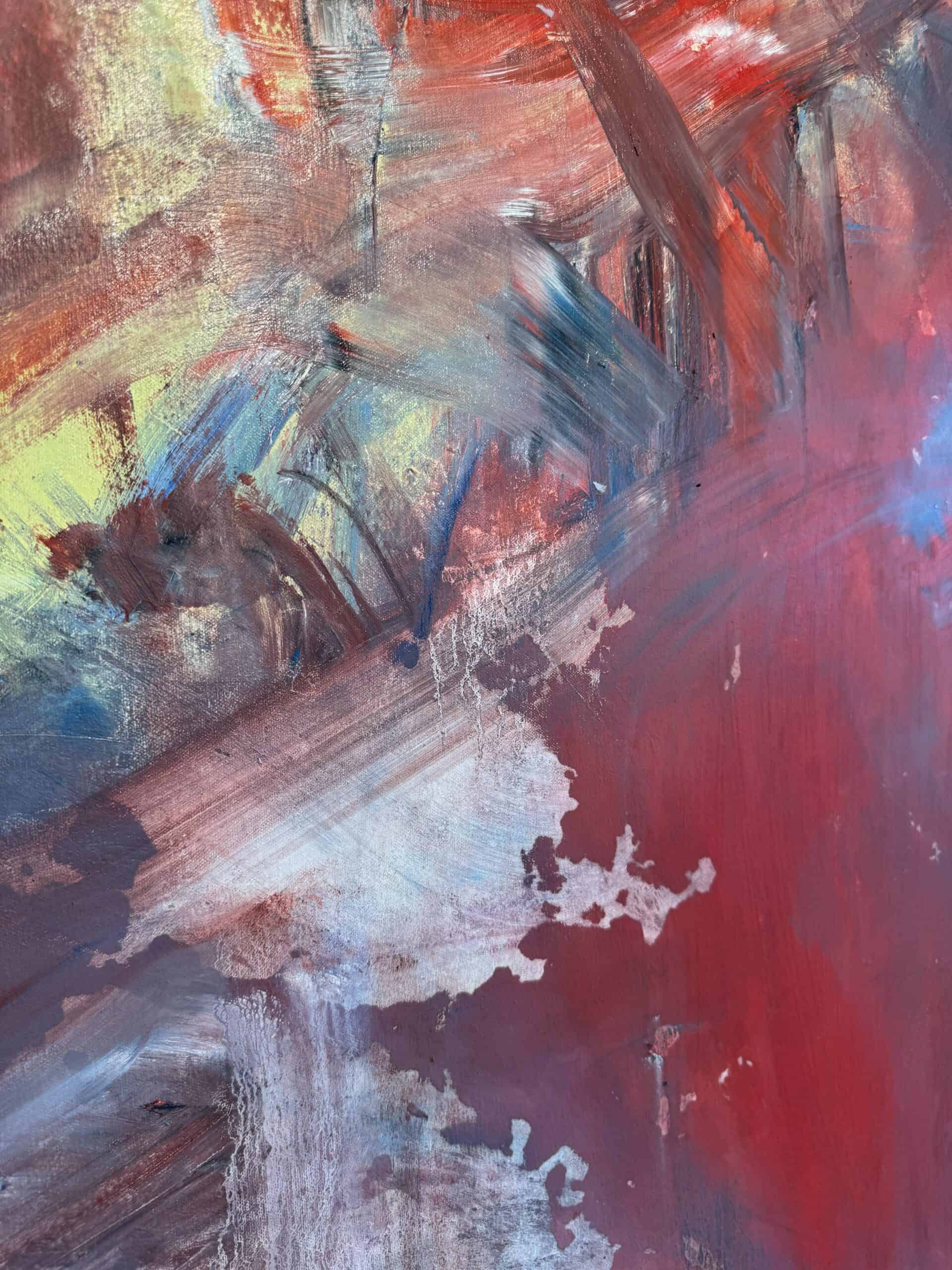
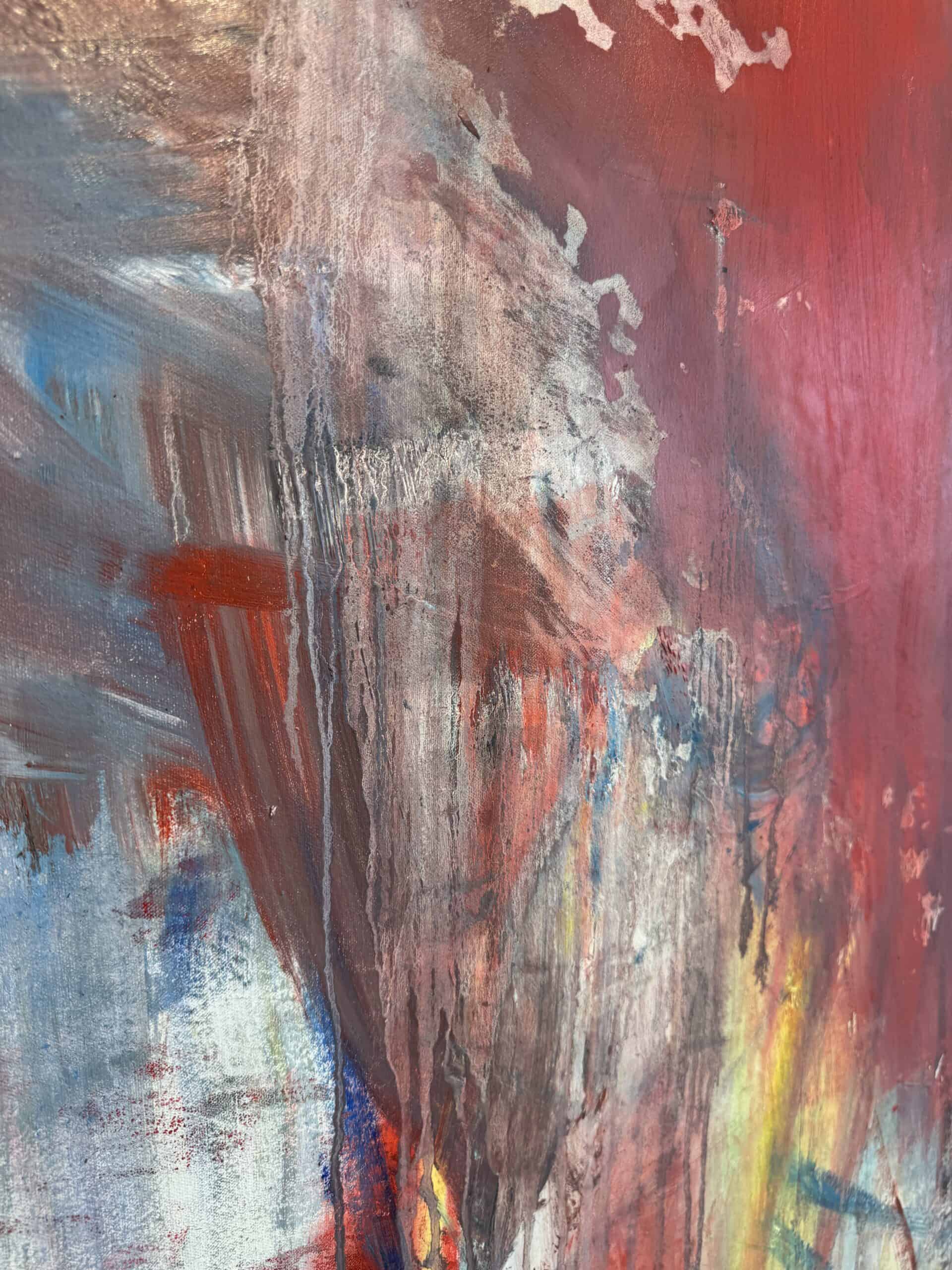
The paintings for this exhibition aren’t illustrations of cartoons. They show what happens when memory won’t stay still. The characters I grew up with are still there, but they’ve been dragged, blurred, overwritten, and sometimes nearly erased. A grin might still break through, a hand might still wave, but something keeps trying to take over: instinct, panic and humour. I’m drawn to the collision between the clean certainty
In these works, recognition is unreliable. The painting becomes a damaged screen, like a corrupted VHS tape or an over-recorded cassette. You can sense the “signal” underneath, but it keeps breaking up. Gesture behaves like noise, grief, or a defence mechanism. Memory is not a clear archive. It overlaps, it fades, it edits. I am not interested in accuracy. I am interested in distortion and erosion, and in what happens when an image will not settle.
I never start with a plan. Each painting begins on the floor, with no weight yet. When it dries and goes up on the wall, the fight begins. I throw down the imagery loosely, then start undoing it. That’s when abstraction takes over. Some days it comes fast, some days it doesn’t. The harder the fight, the stronger the work. I chase friction: the pull between the familiar and the abstract, humour and melancholy, control and chaos. I push the surface until it nearly breaks. The best moments come when I manage to pull it back from the edge.
Certain influences have stayed with me because they understand rhythm and distortion. Animators like Tex Avery and Chuck Jones taught me visual wit and pace. The expressive intensity of Francis Bacon and the dynamic energy of Abstract Expressionists like de Kooning helped me trust distortion and unpredictability. Japanese animation also left its mark in the way it can create emotional weight with limited movement. These references sit under the surface, but they shape how I build an image.
When someone stands in front of these paintings, I hope they feel a strange familiarity and also a slight unease. I want them to enter that space where recognition and distortion meet, and to question what is real and what is remembered. If the work stirs something unresolved from their own childhood, or makes them look at these icons differently, then it is doing what I want. Beyond nostalgia, this exhibition is about what endures, what fades, and what happens when we let the images that shaped us change form.
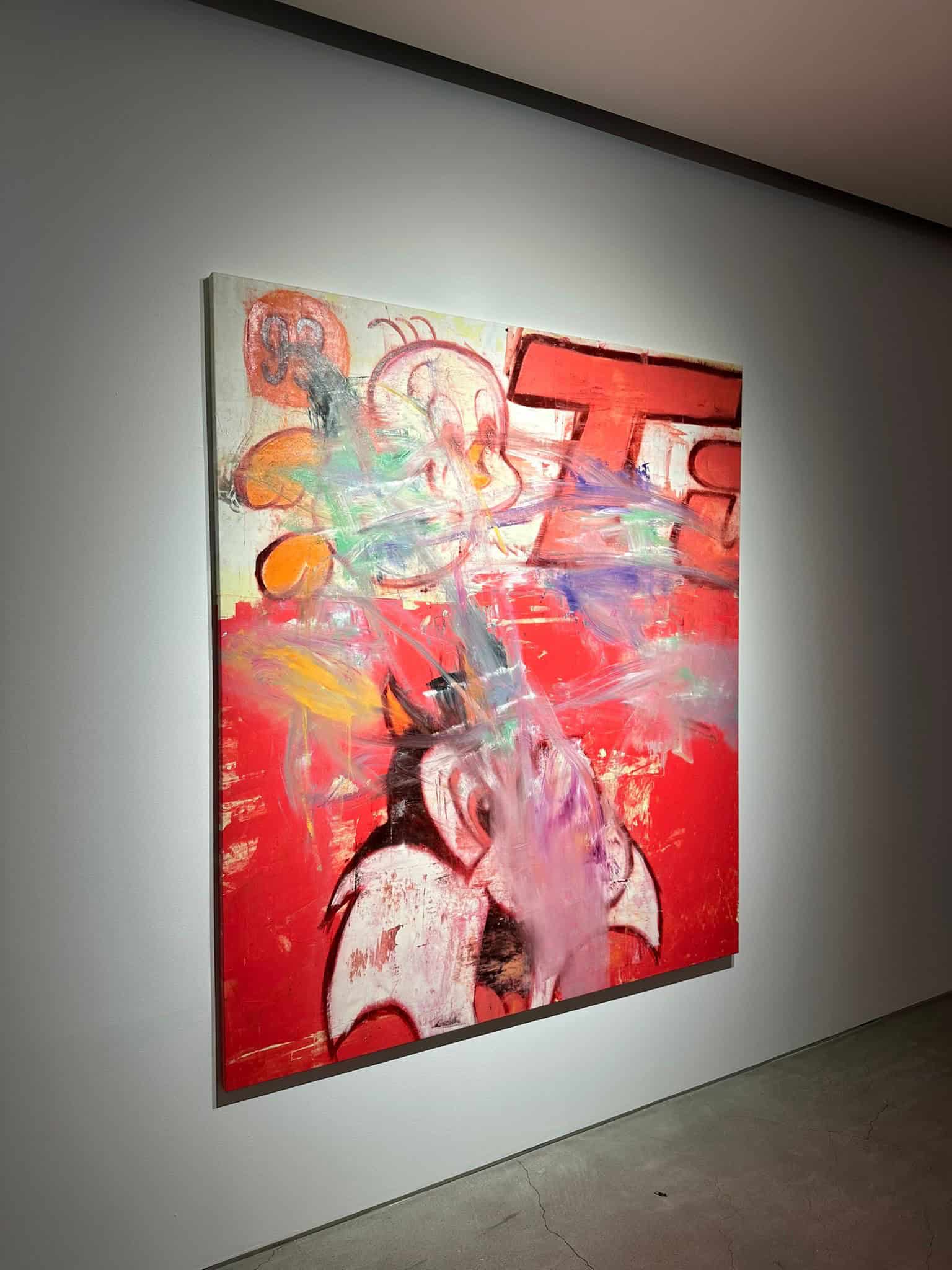
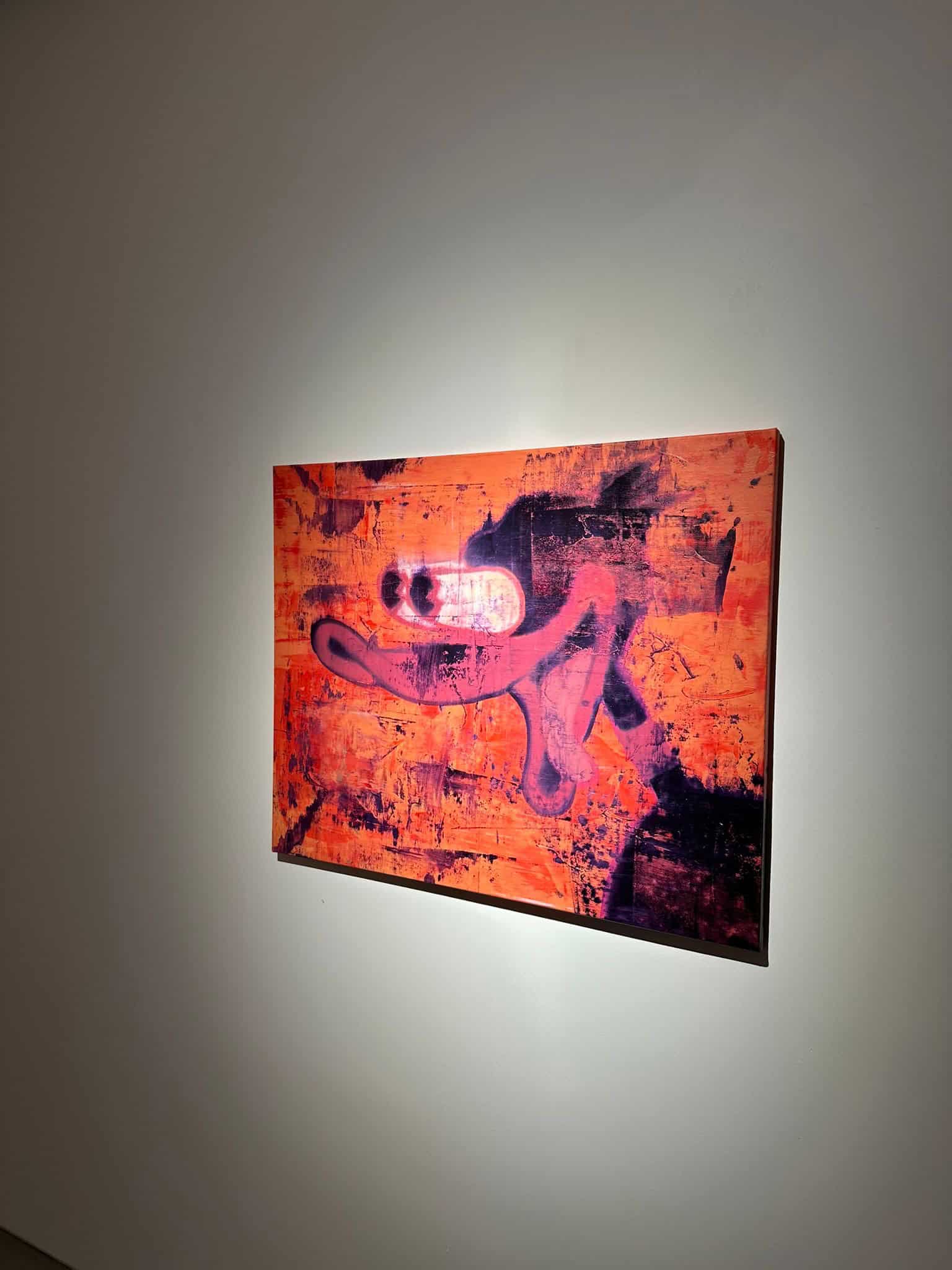
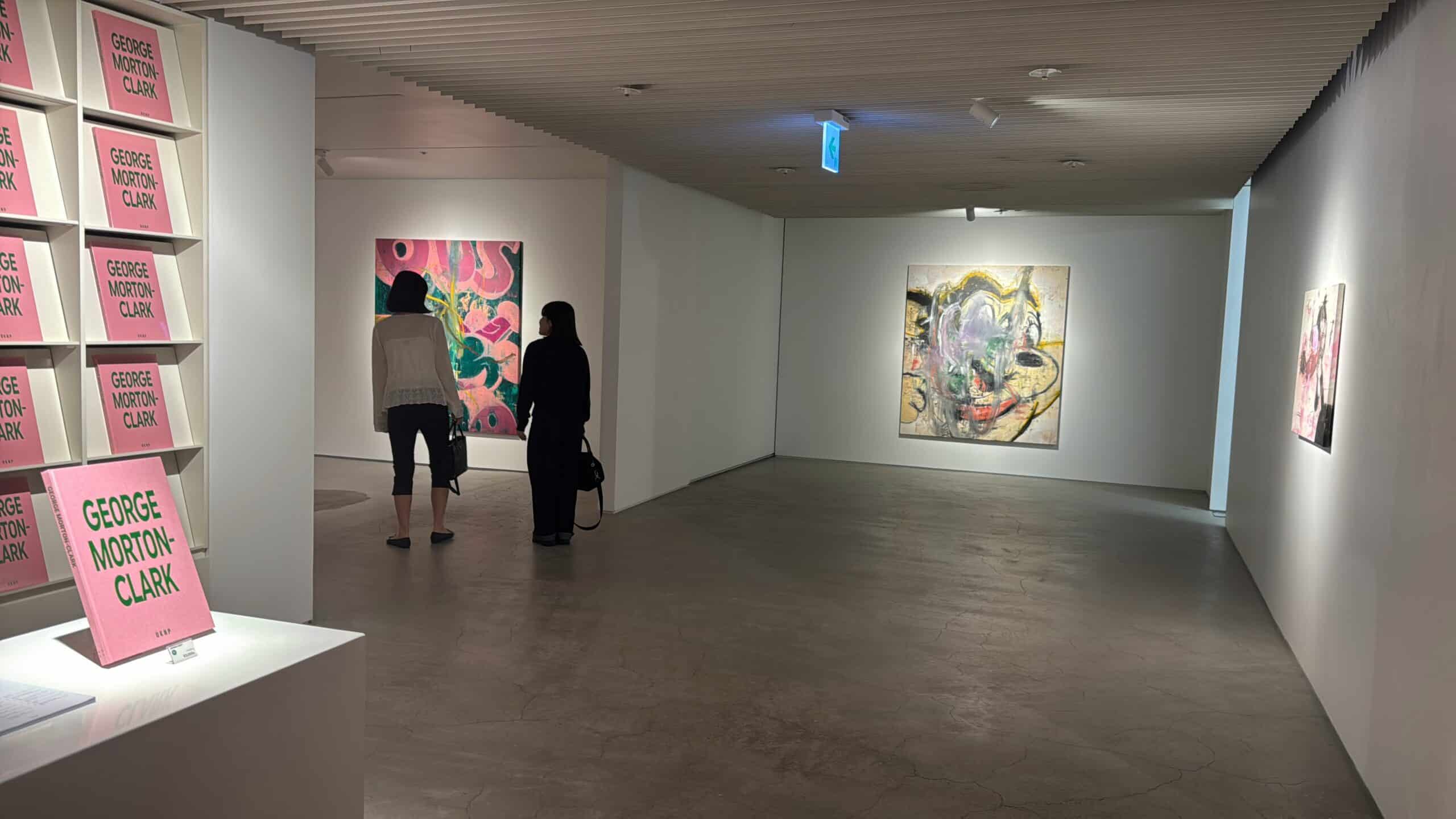
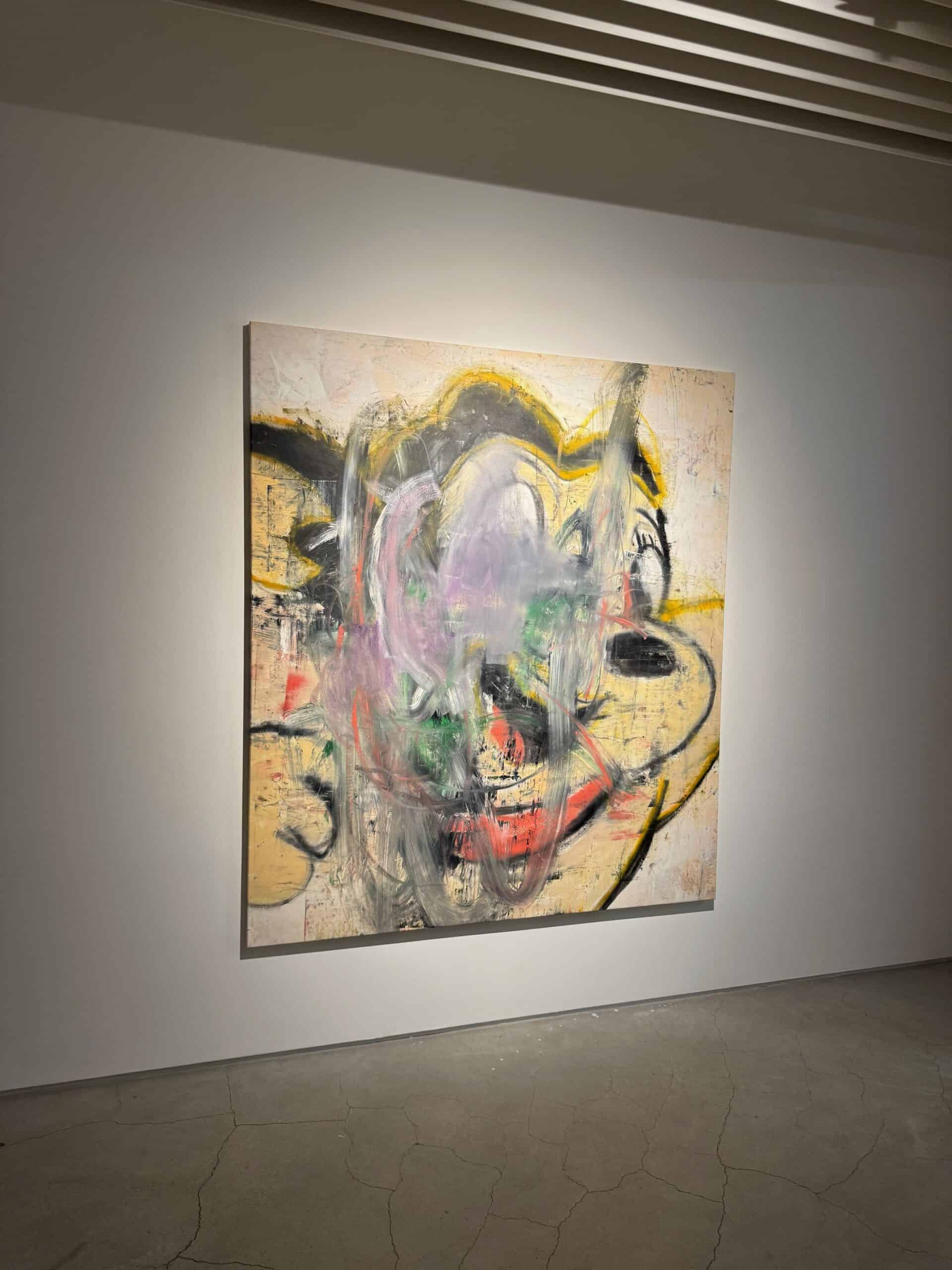
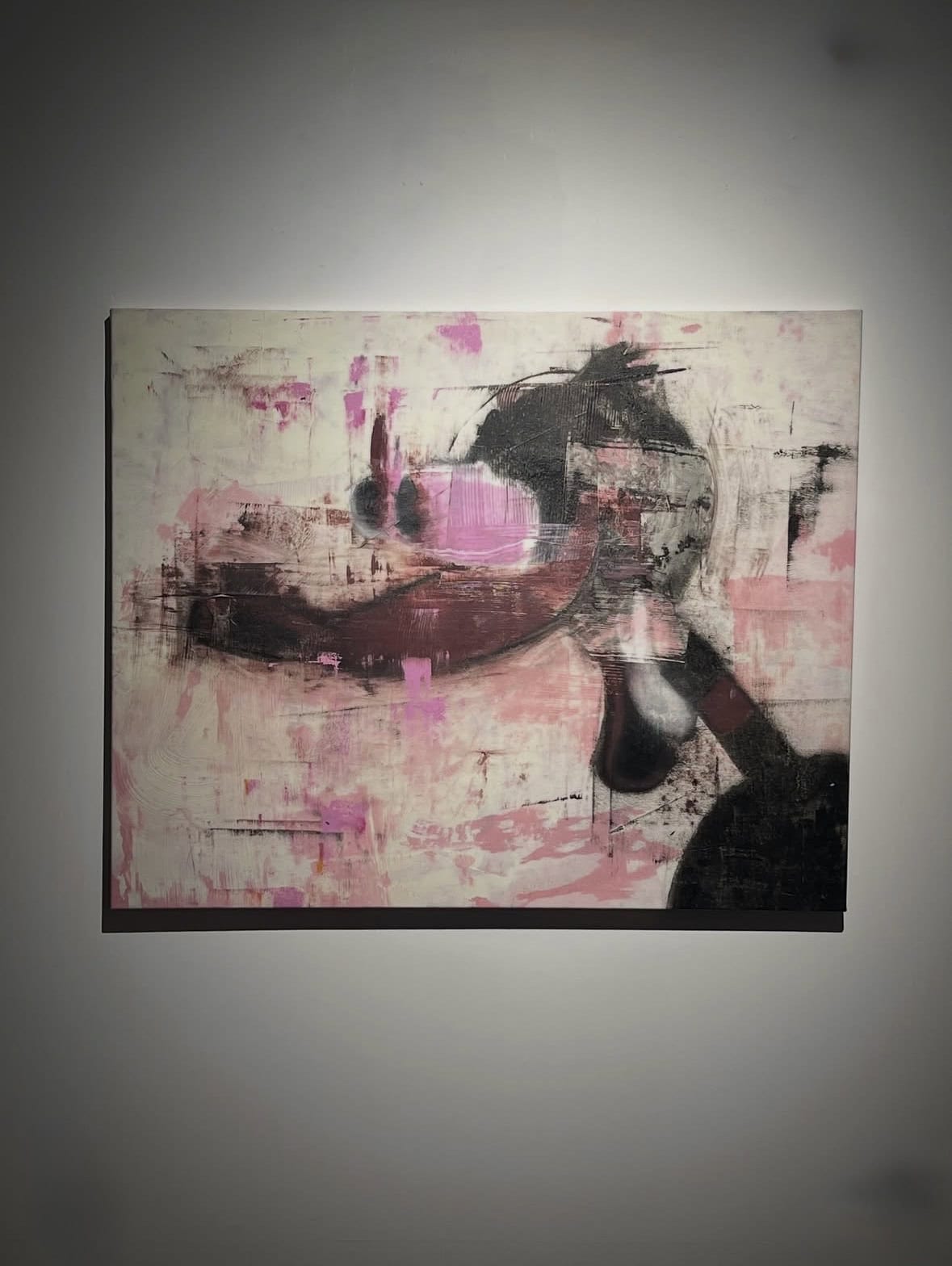
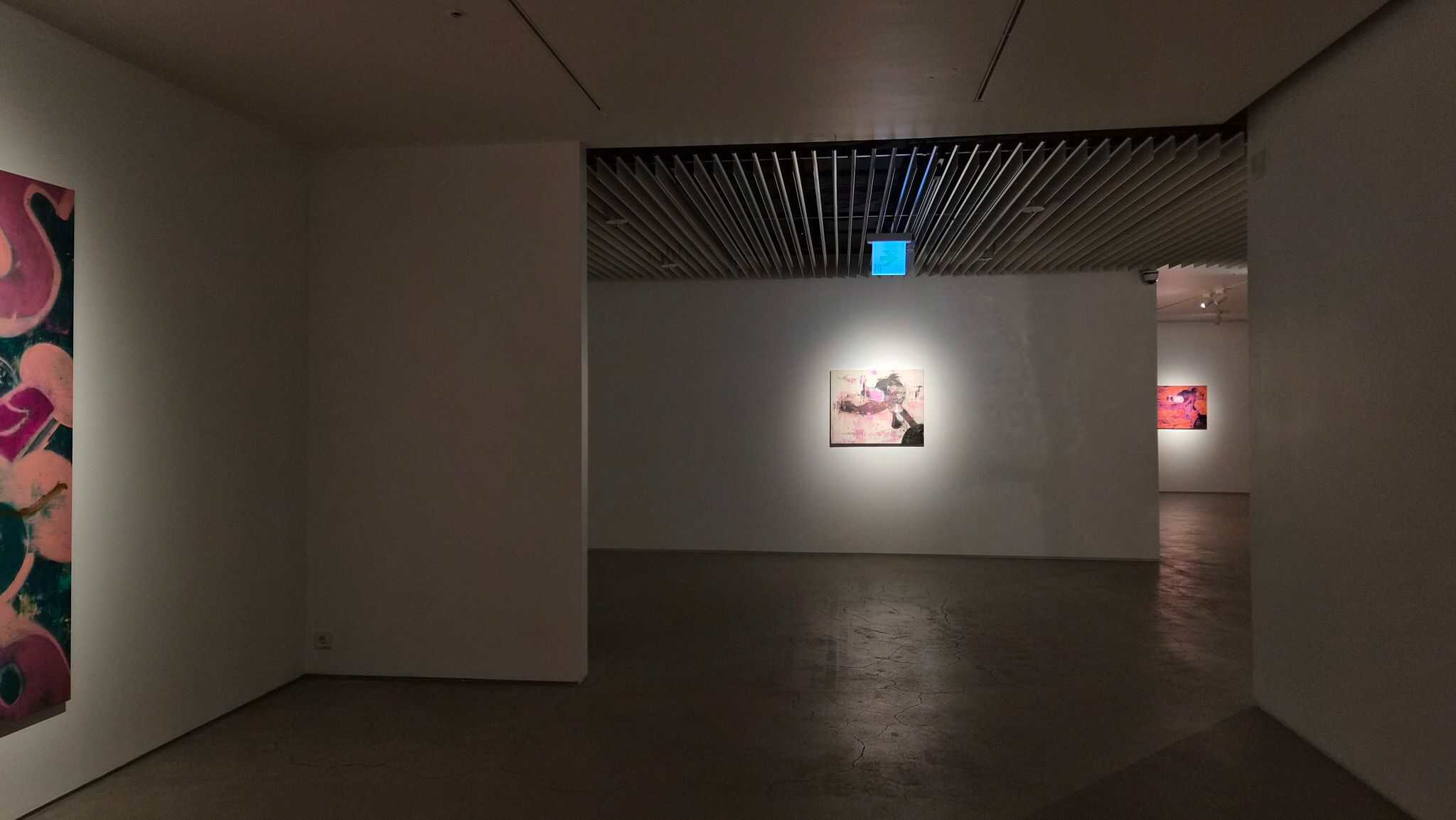
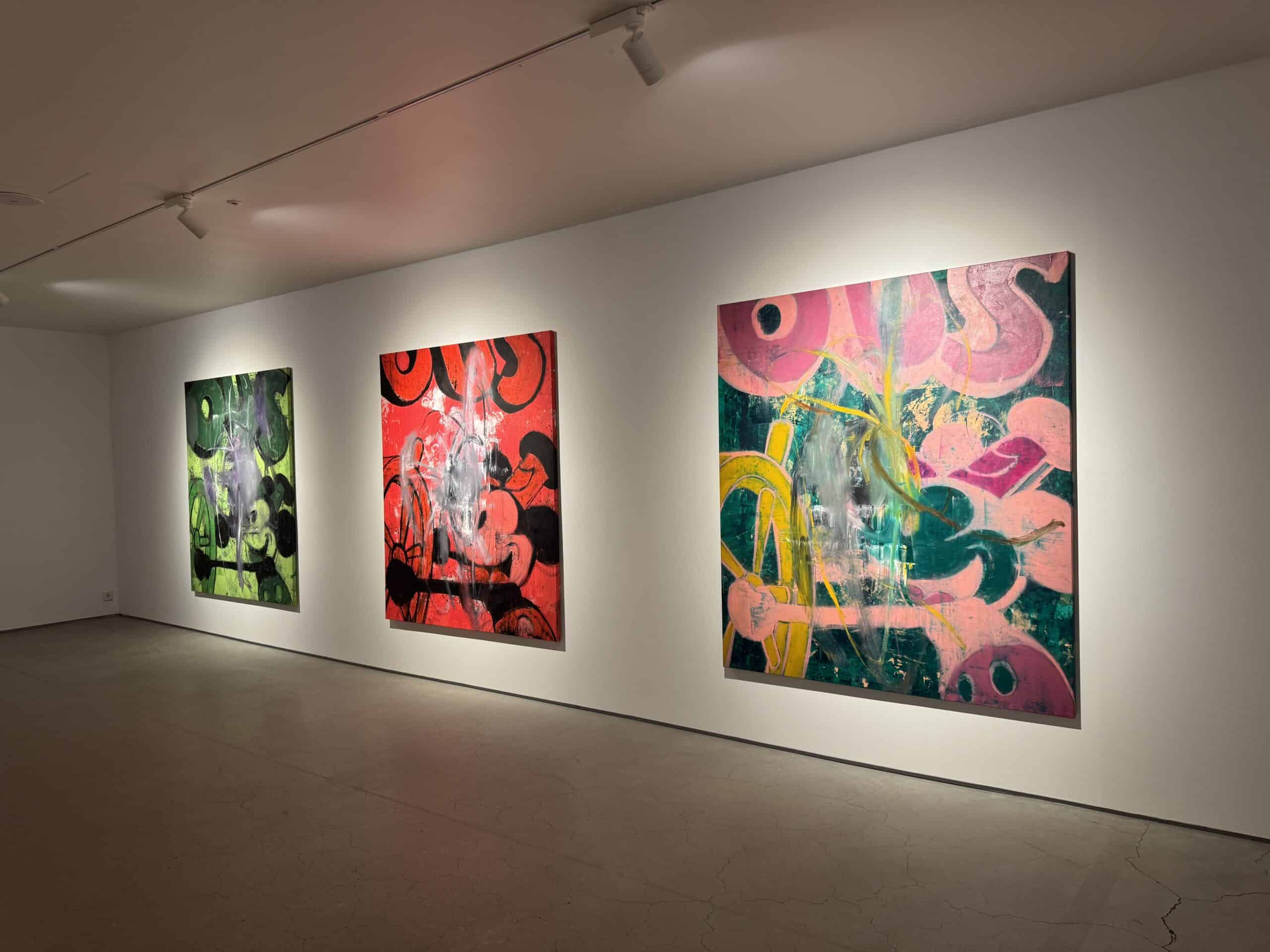
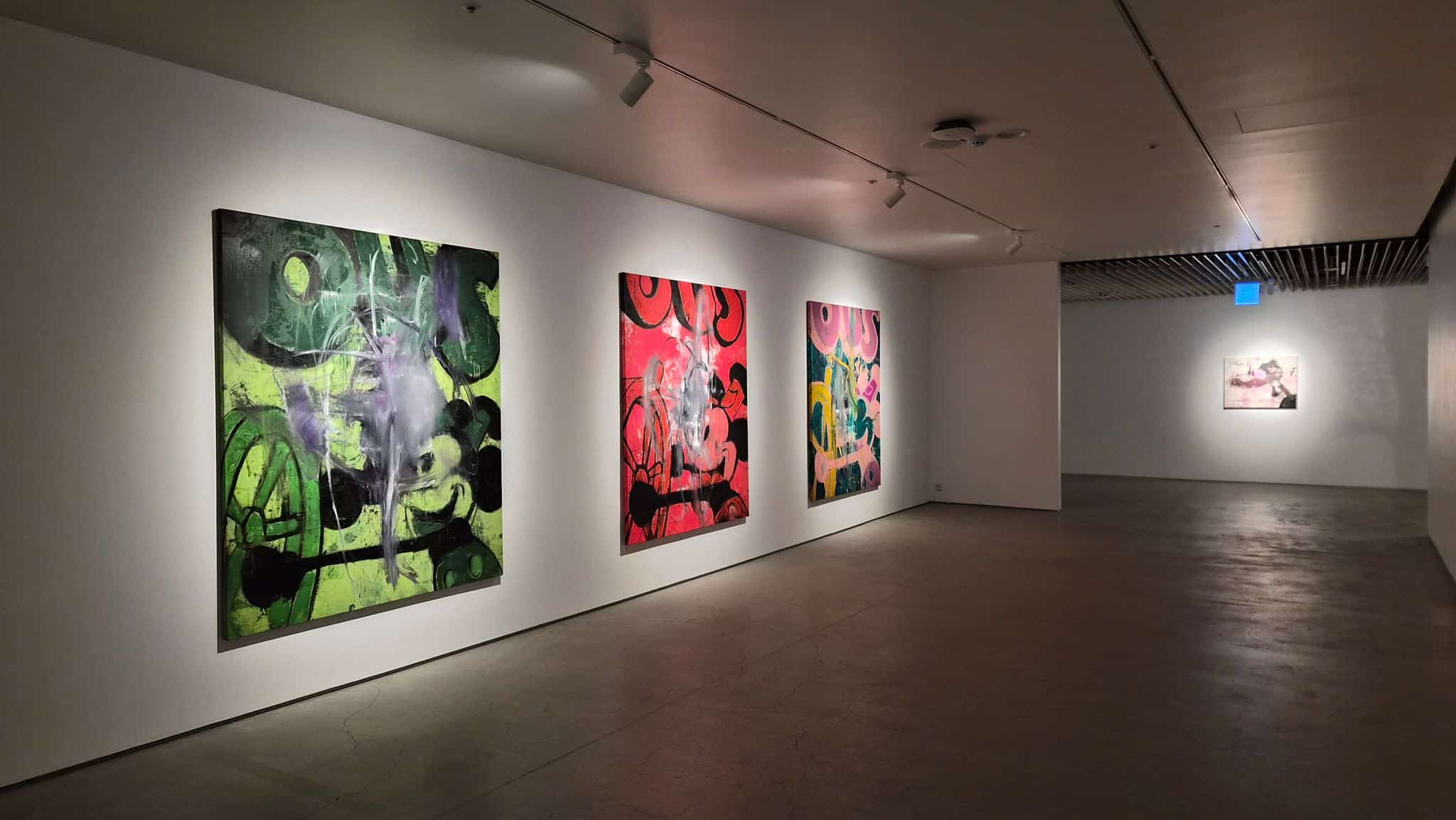
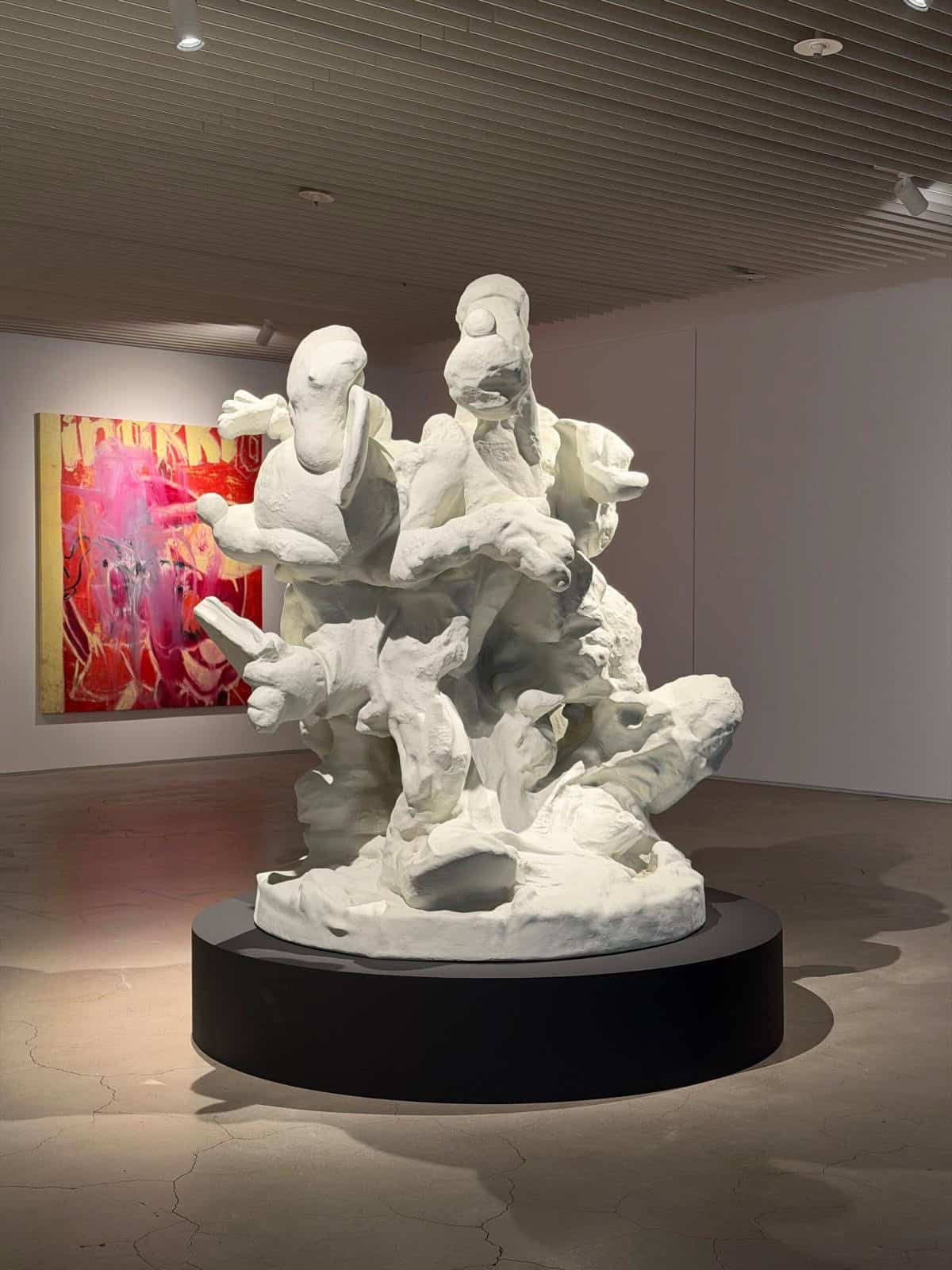
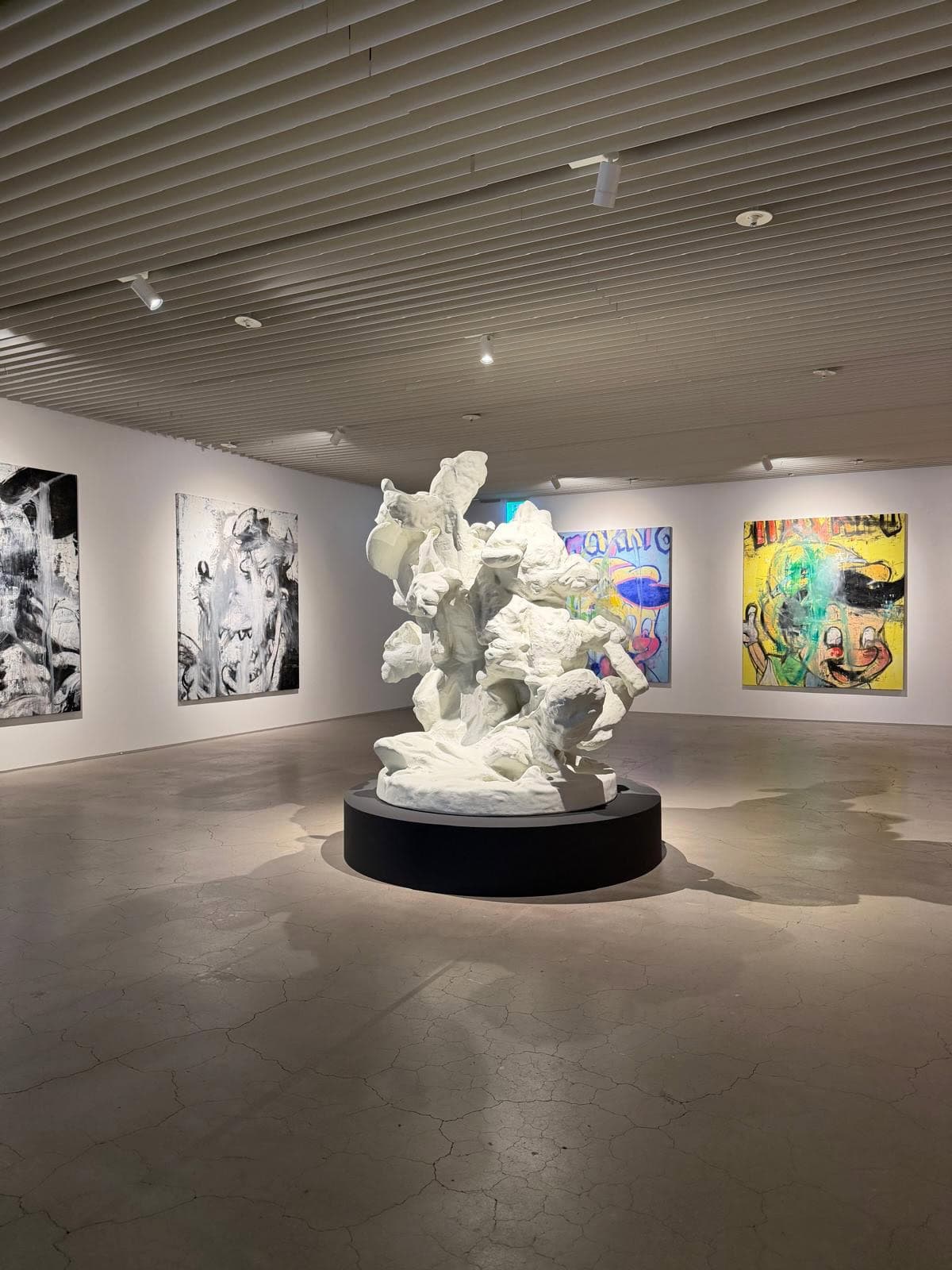
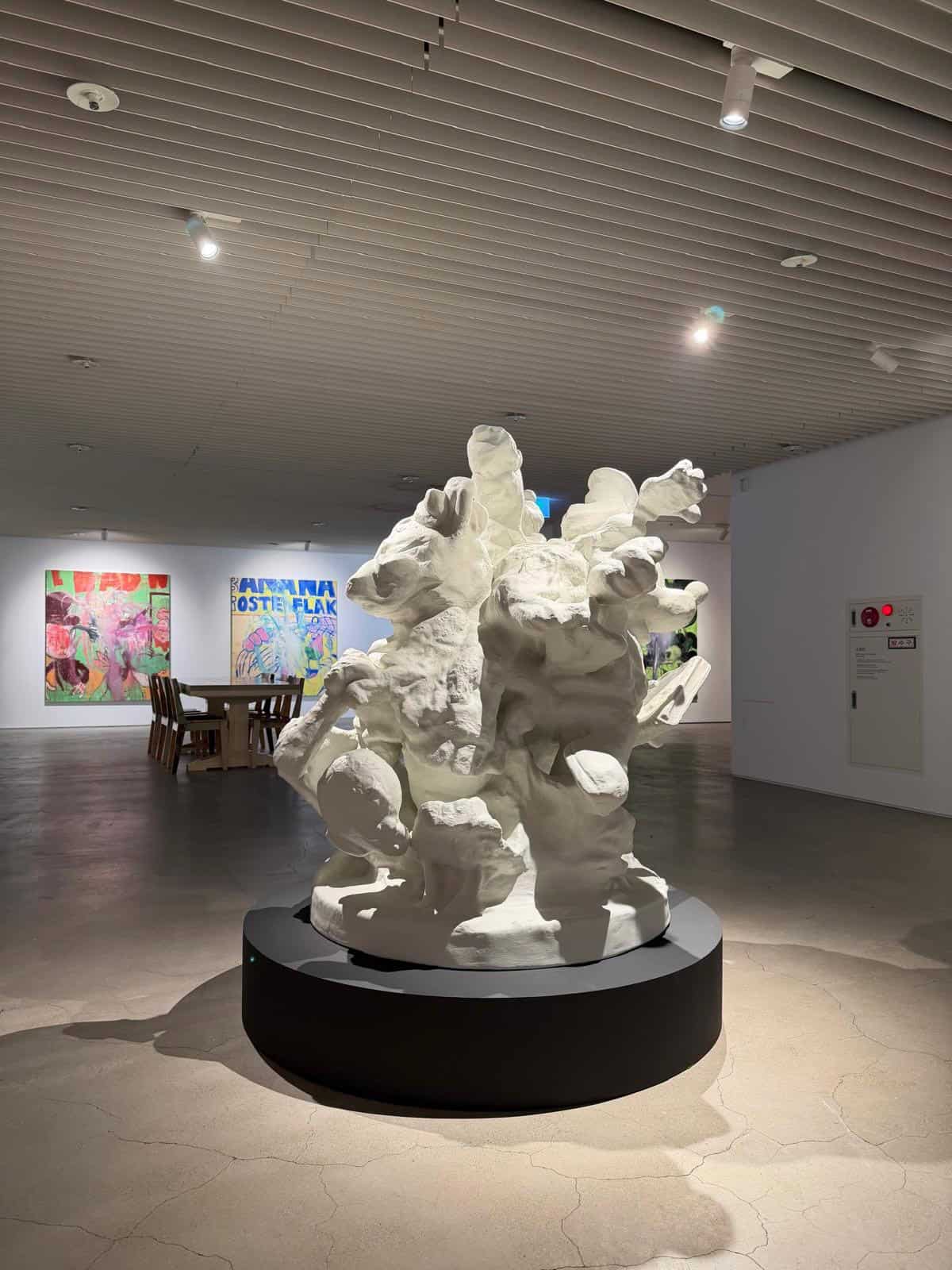
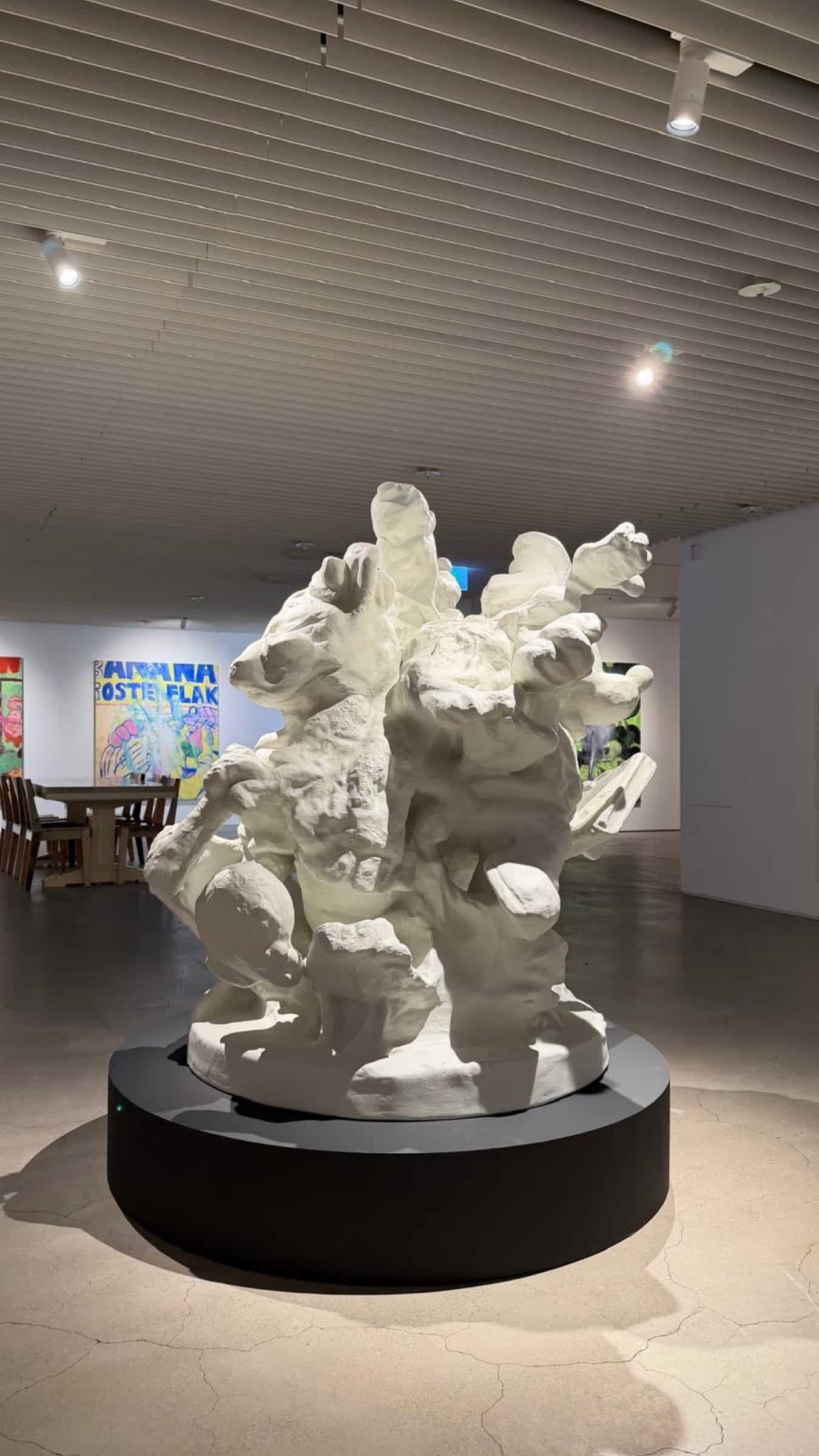
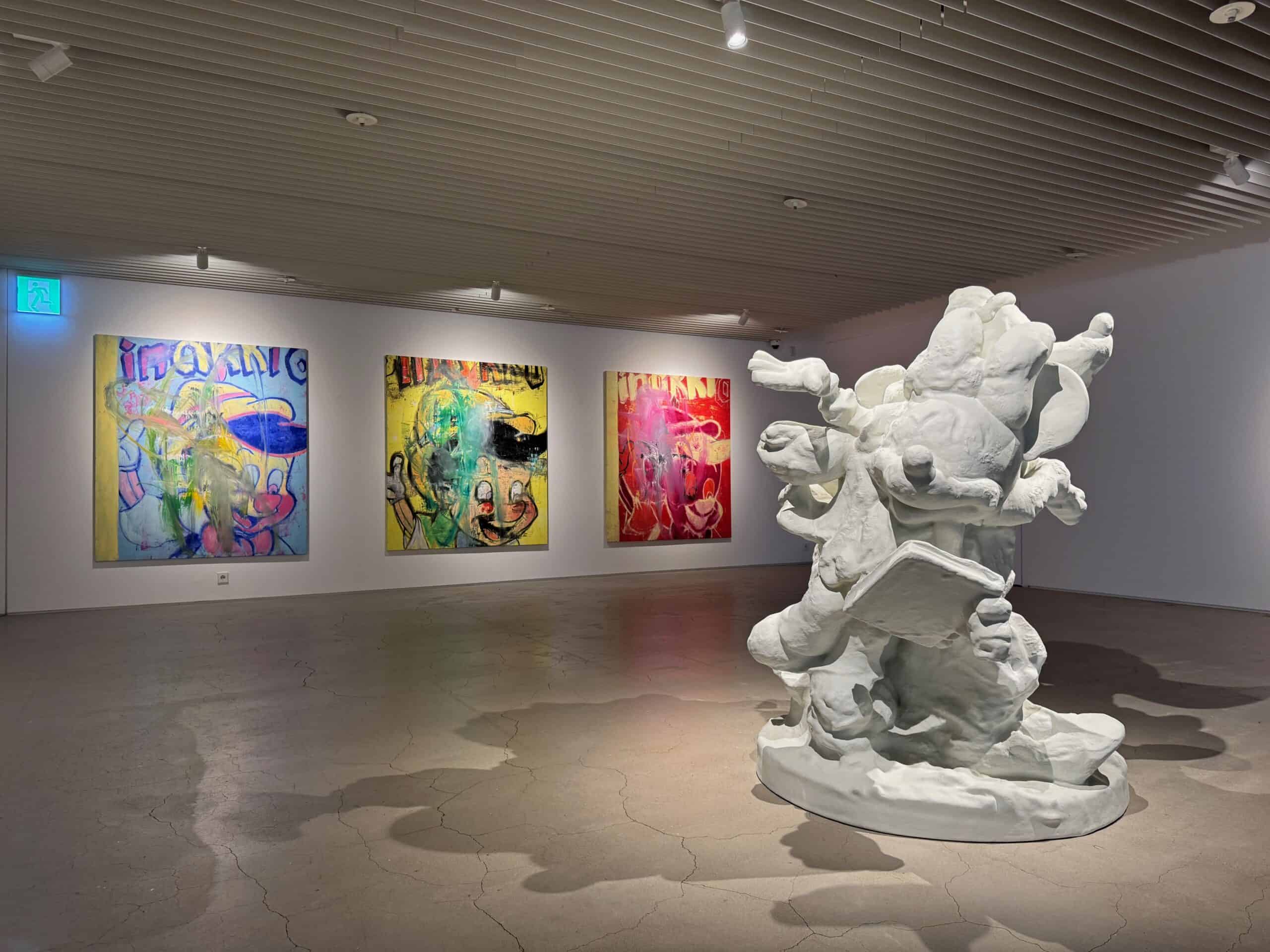
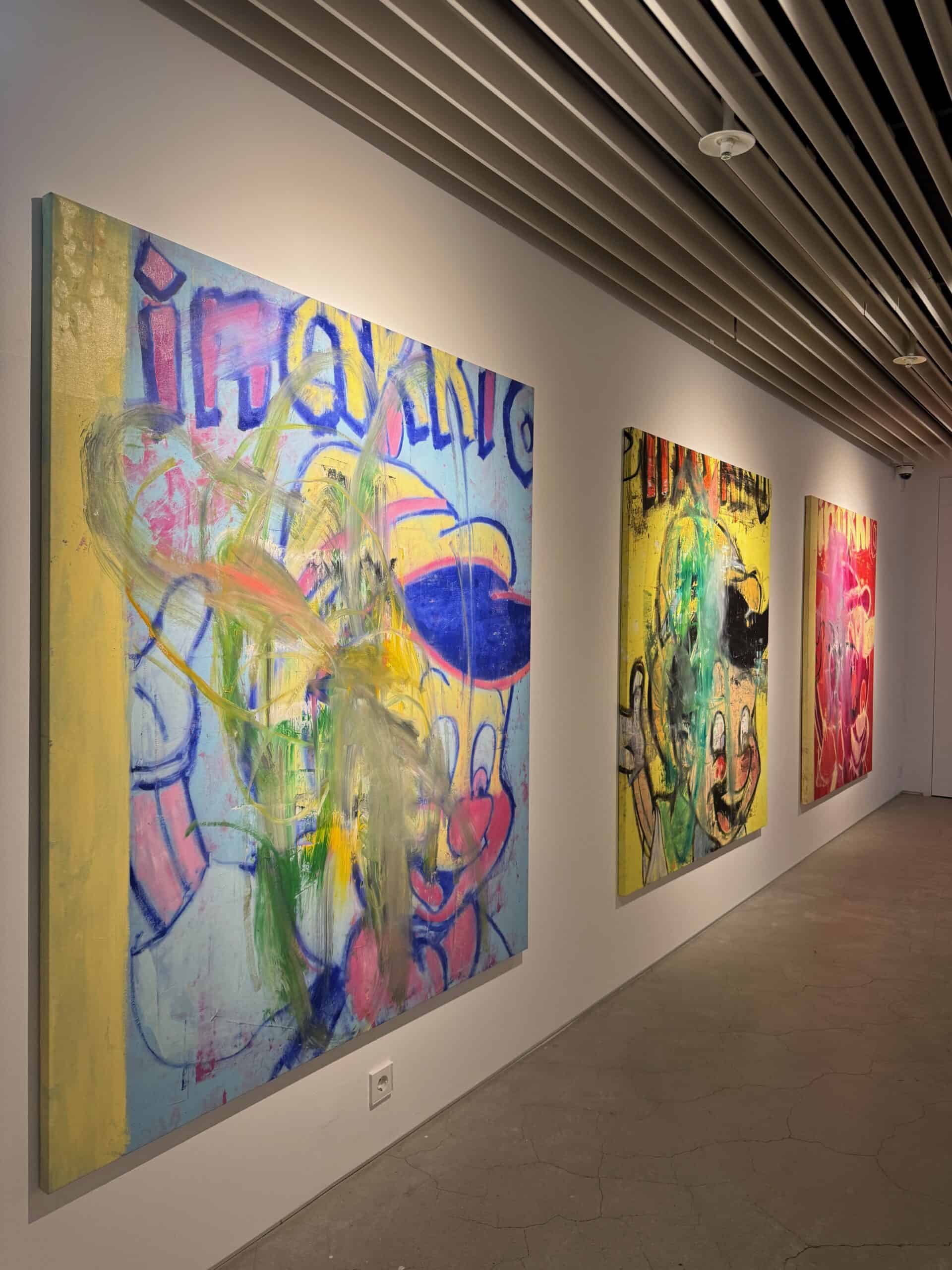
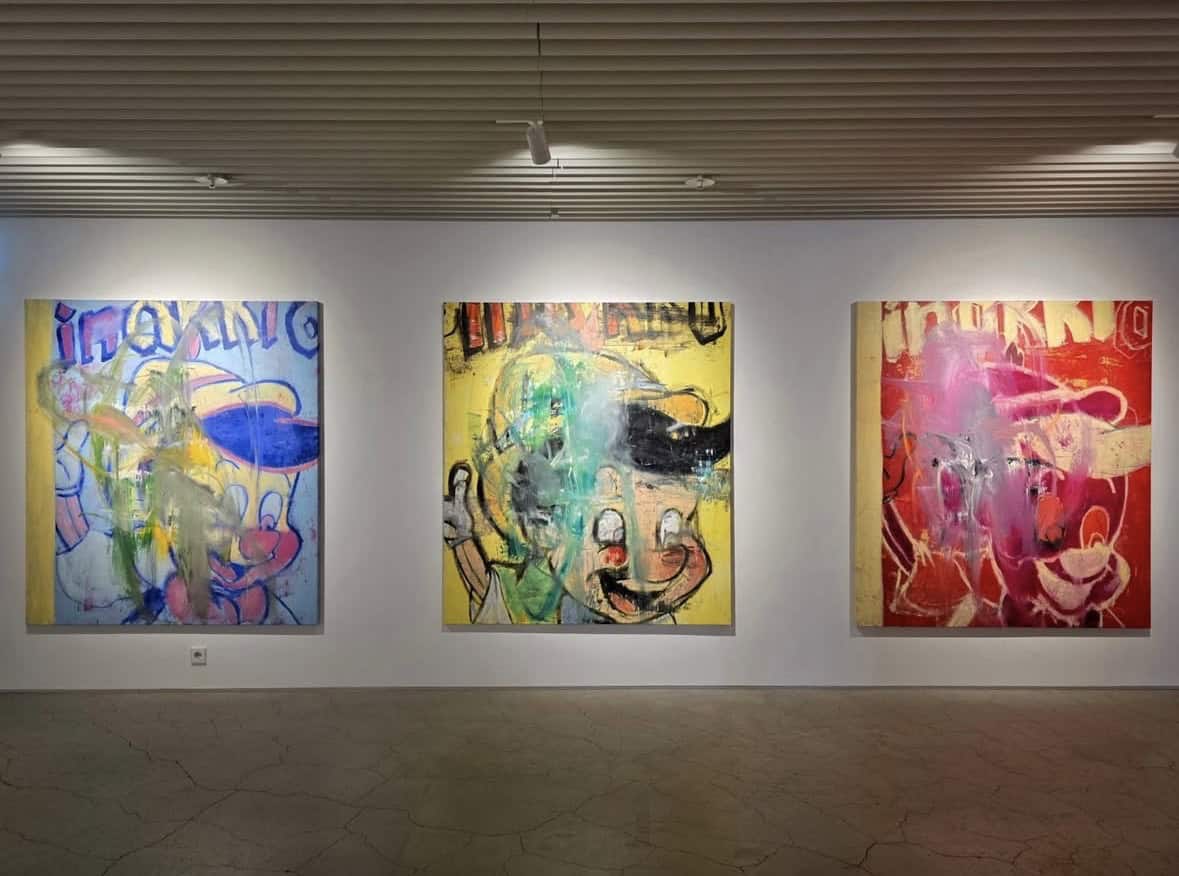
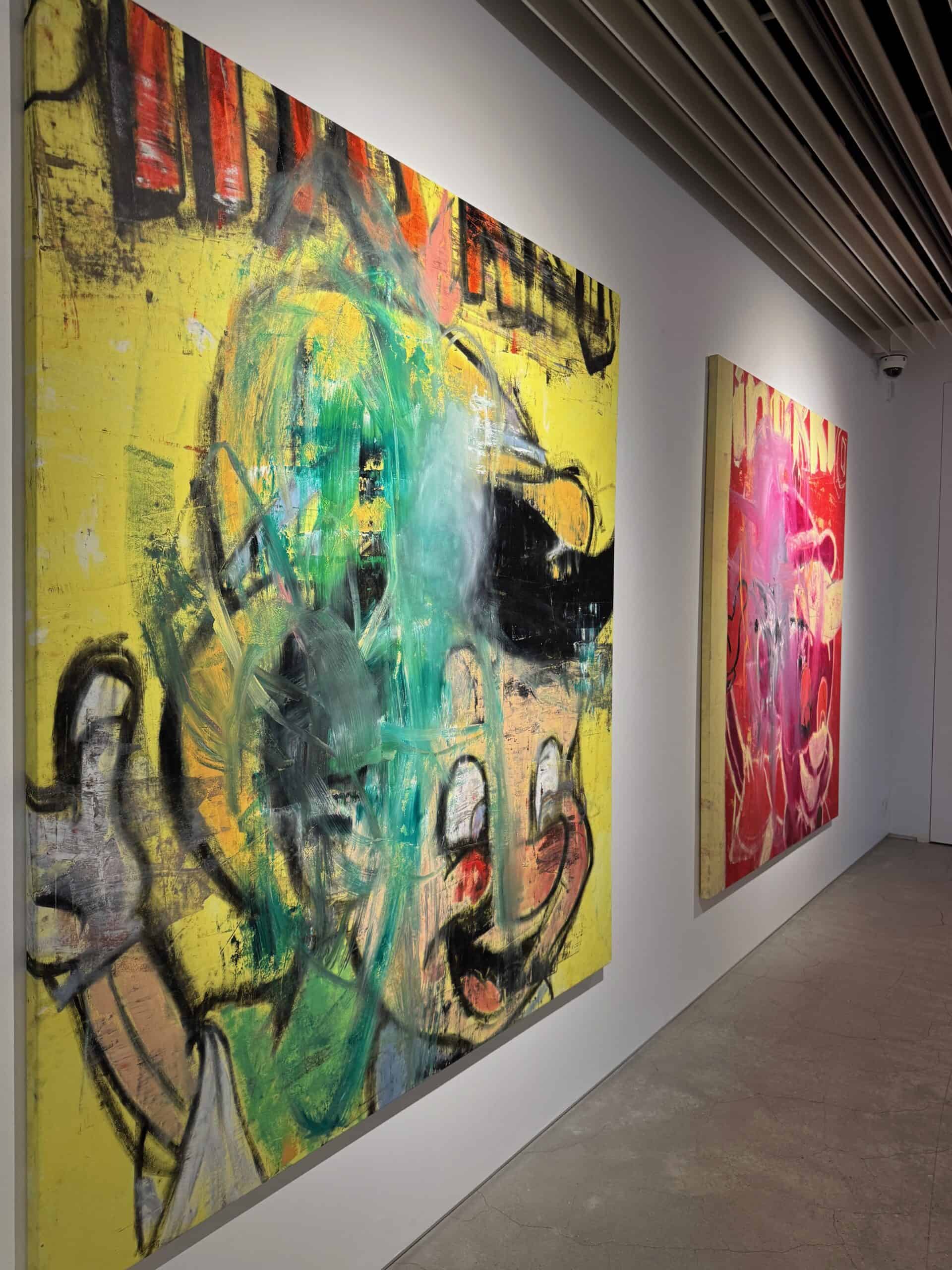
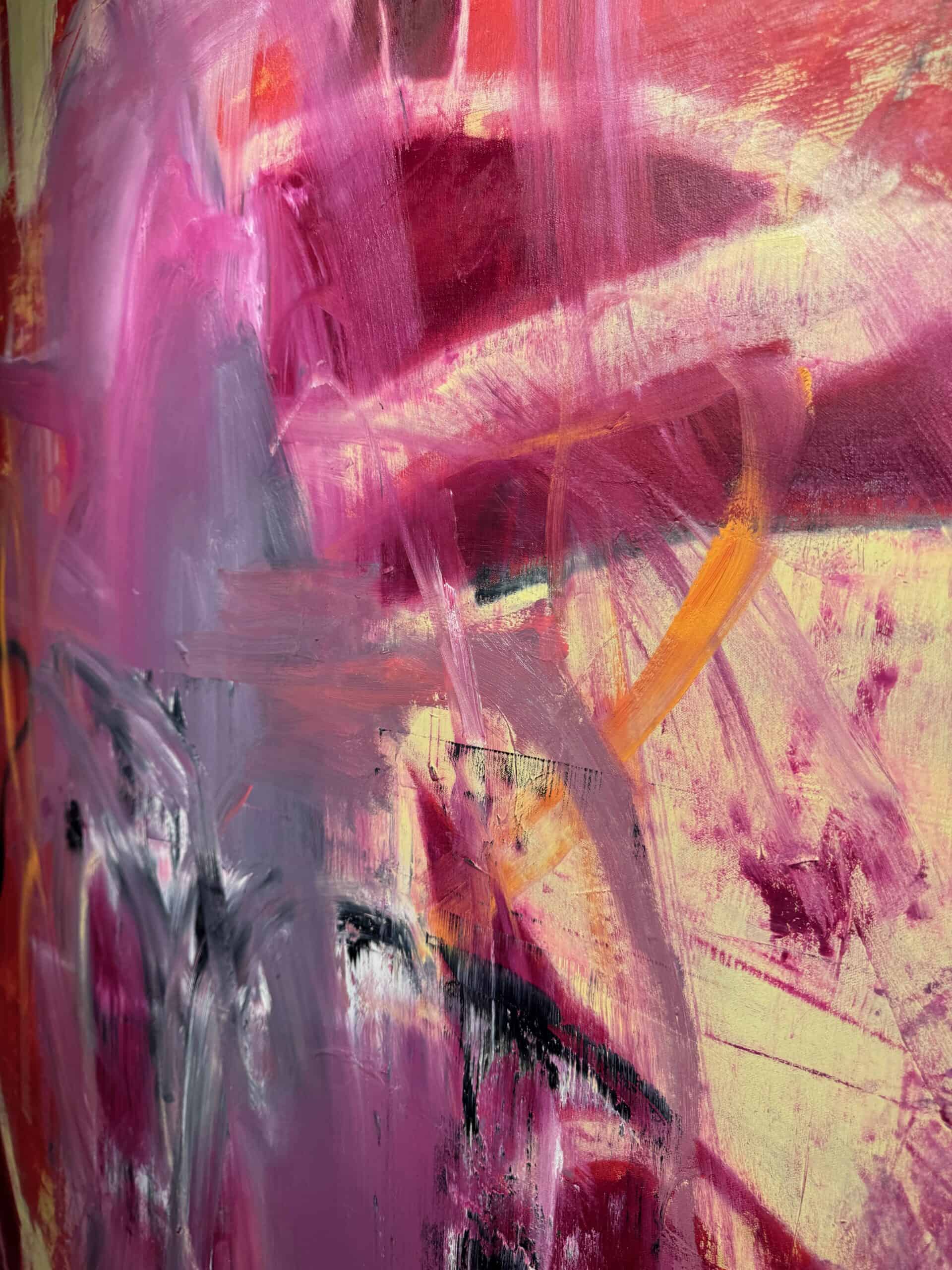
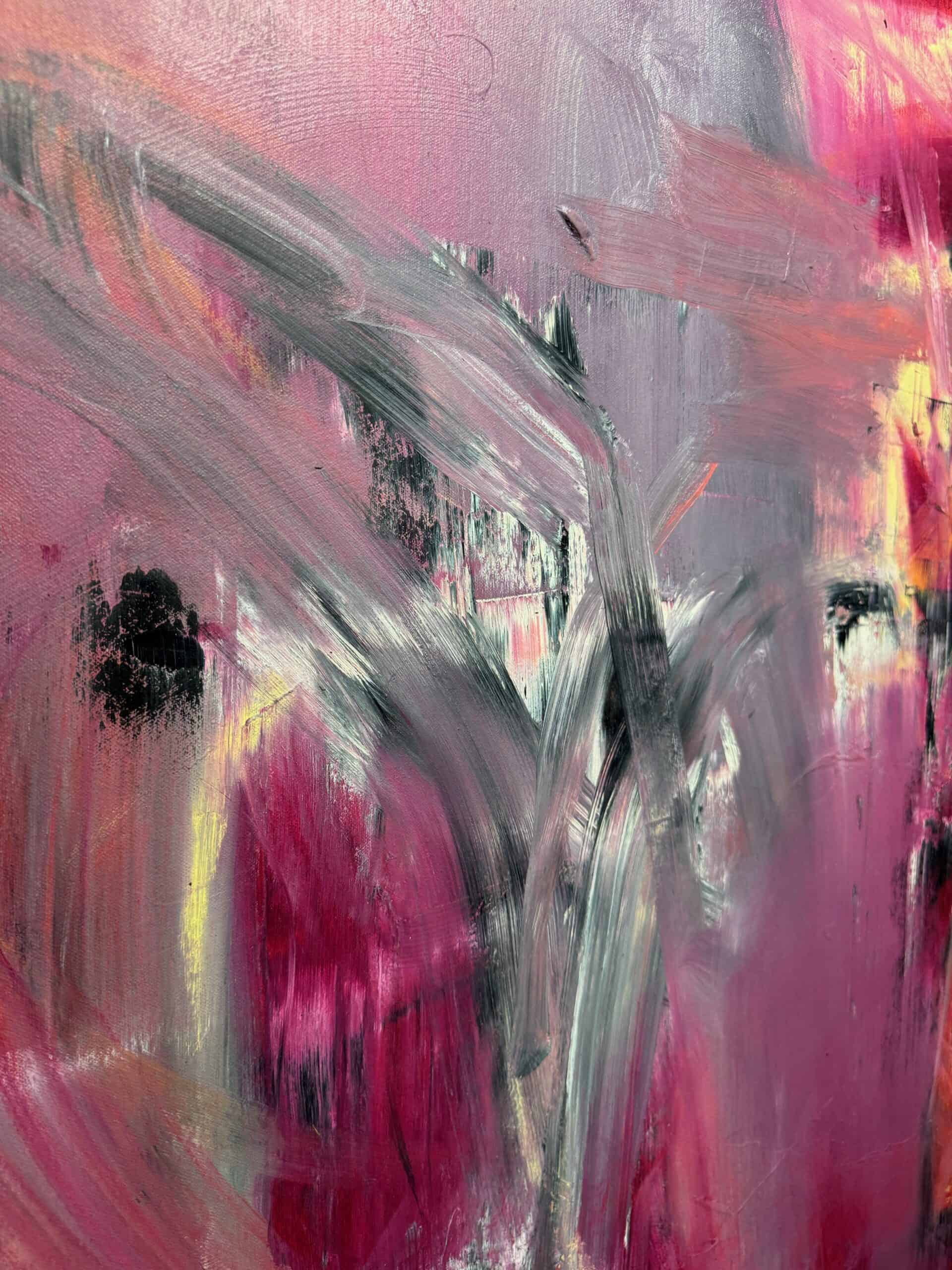
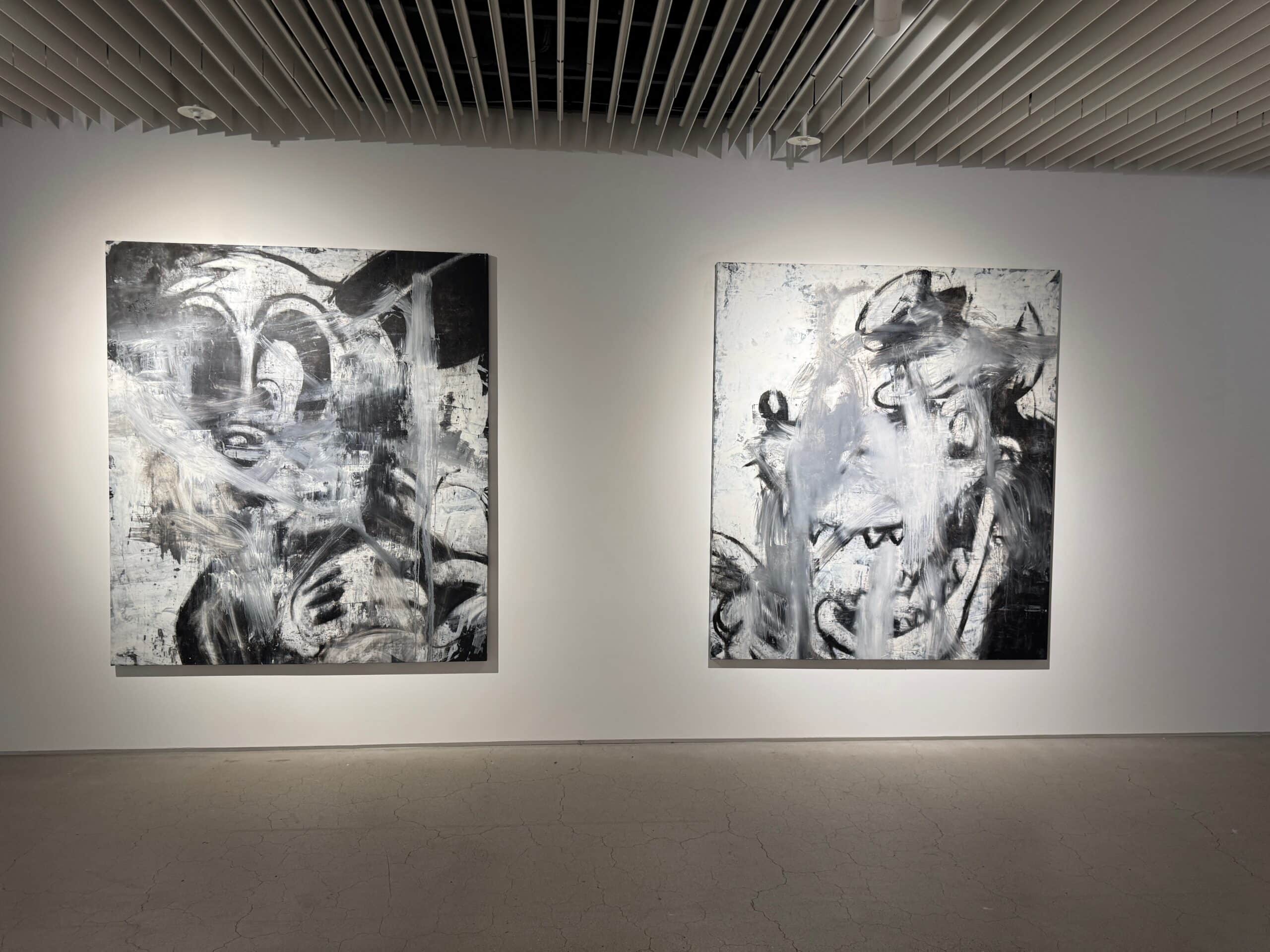
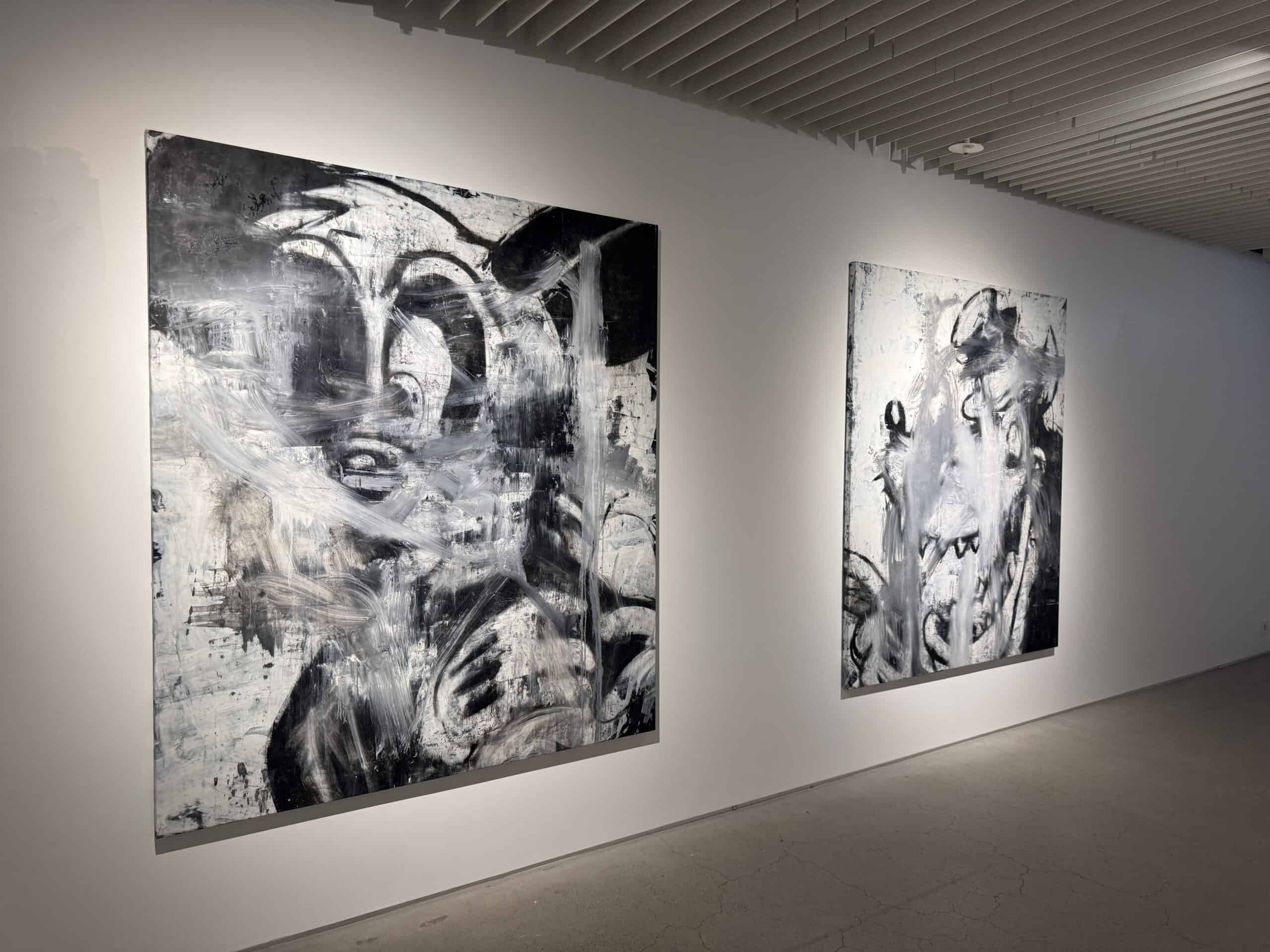
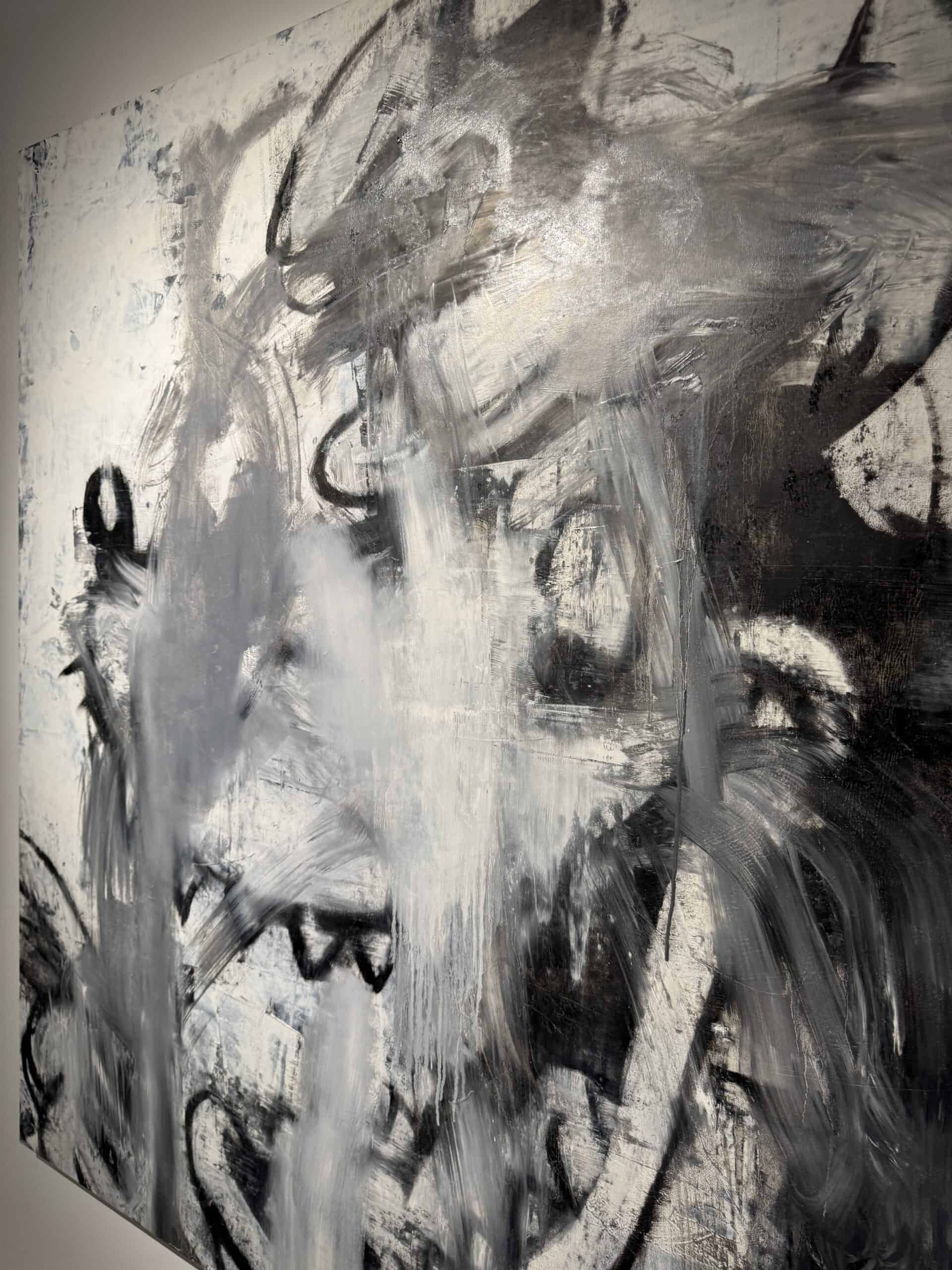
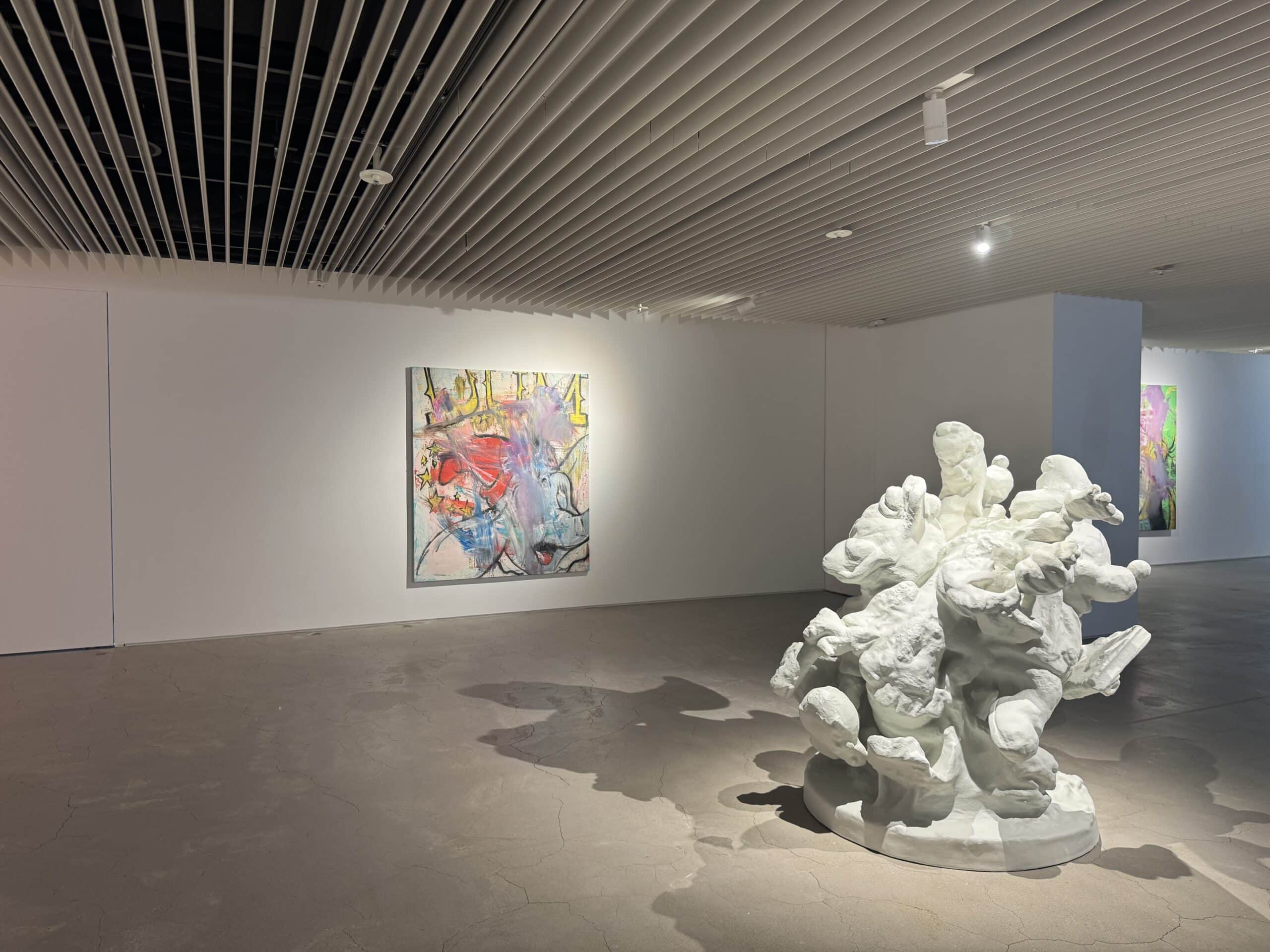
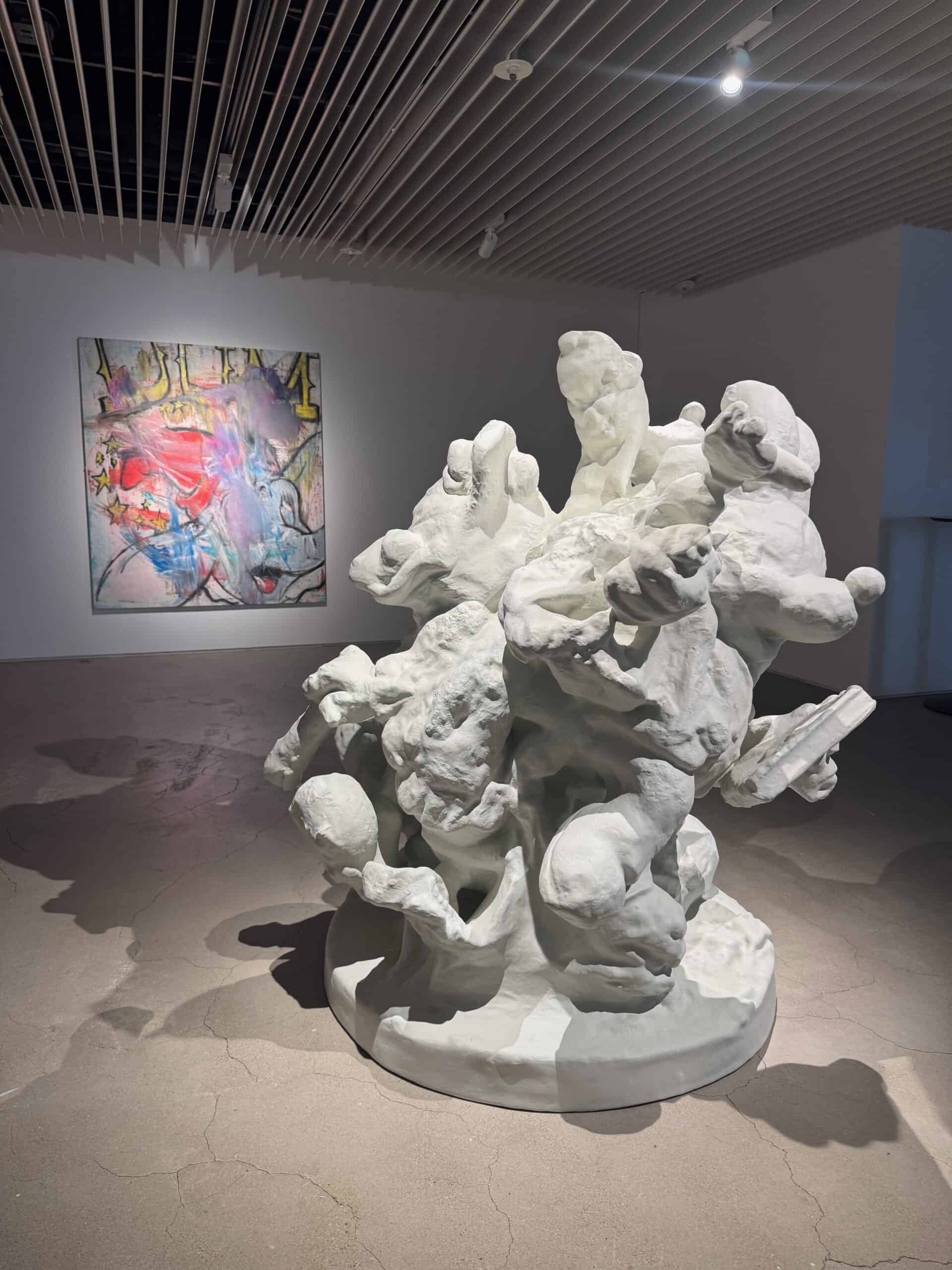
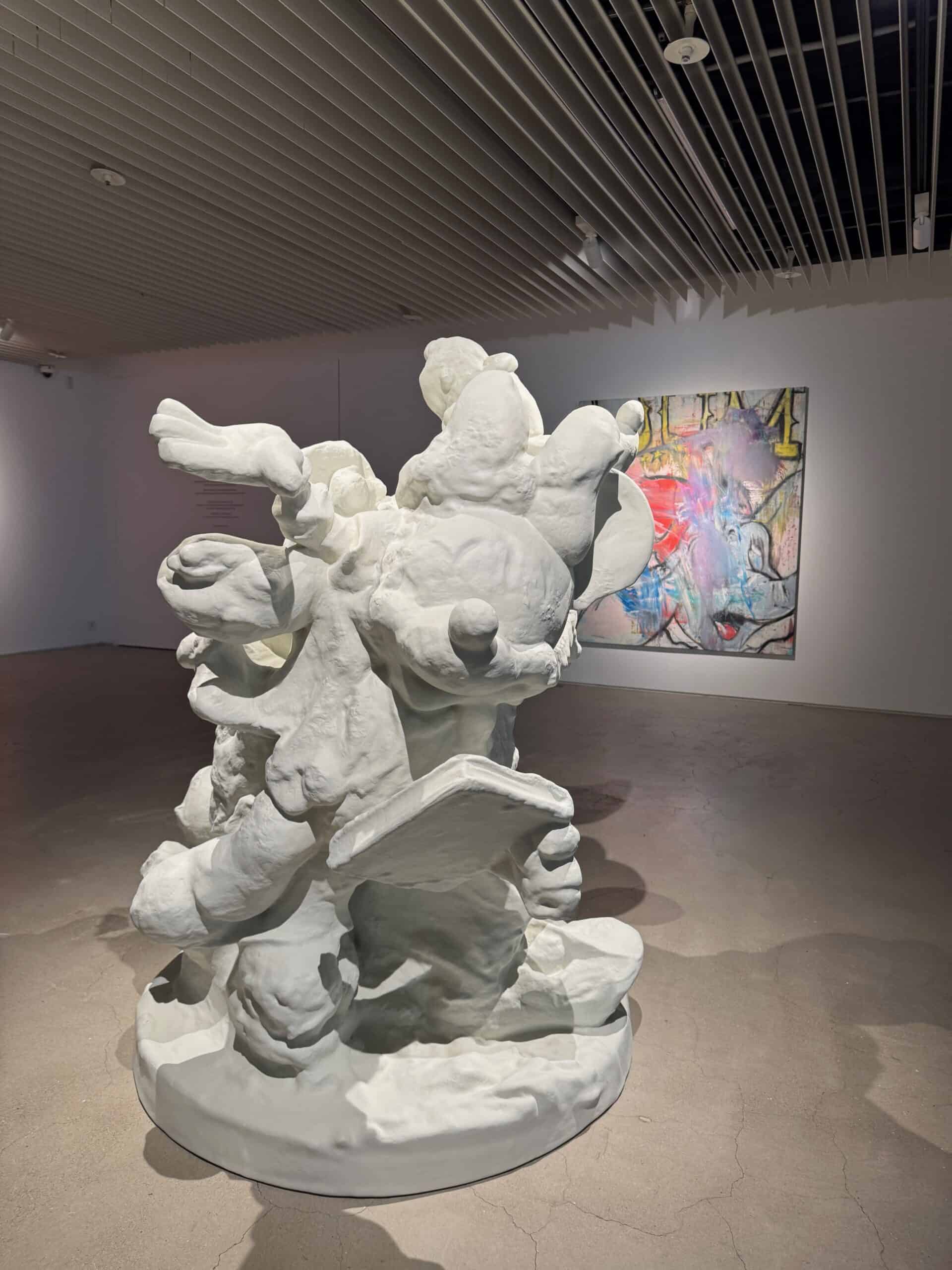
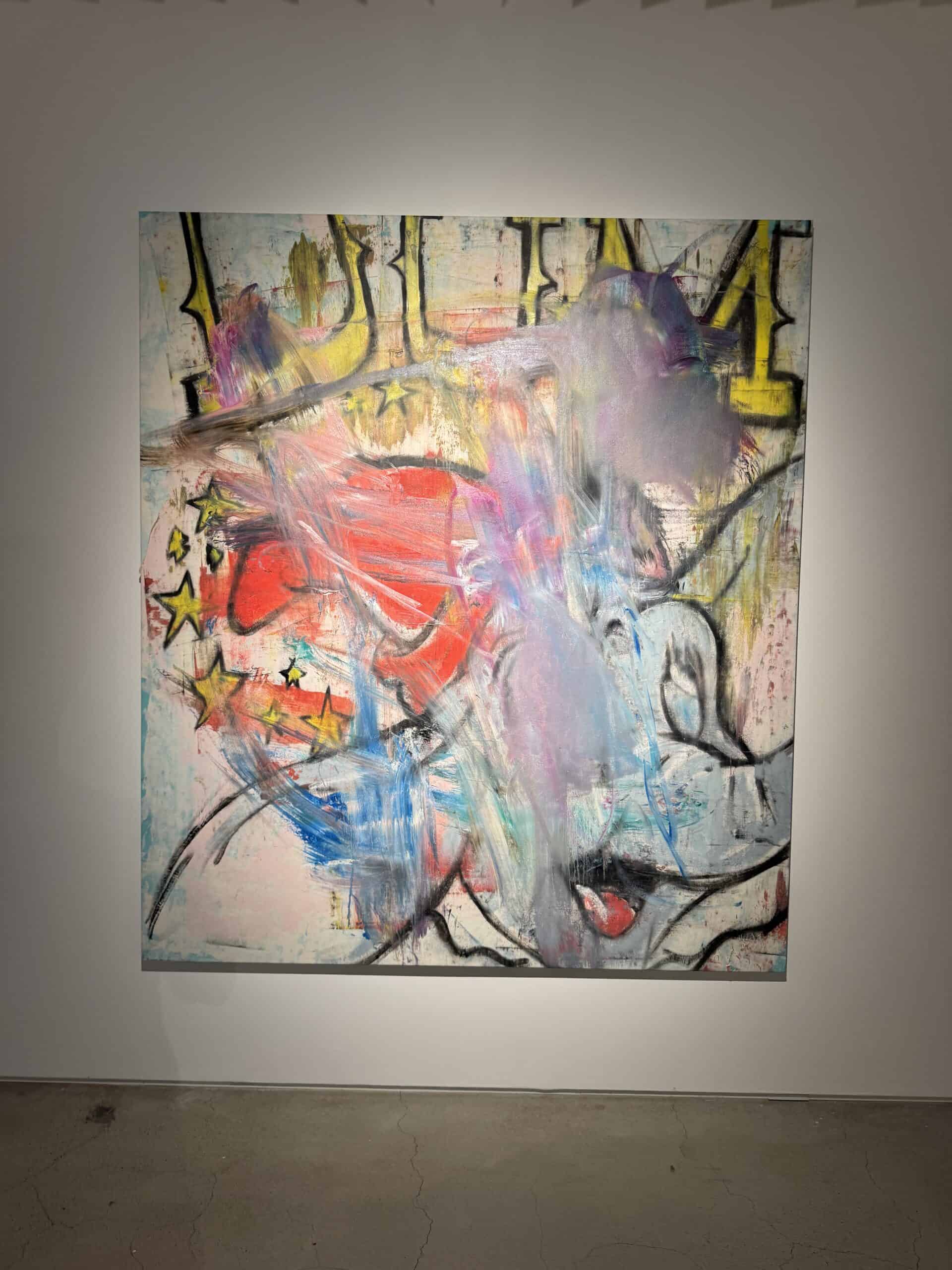
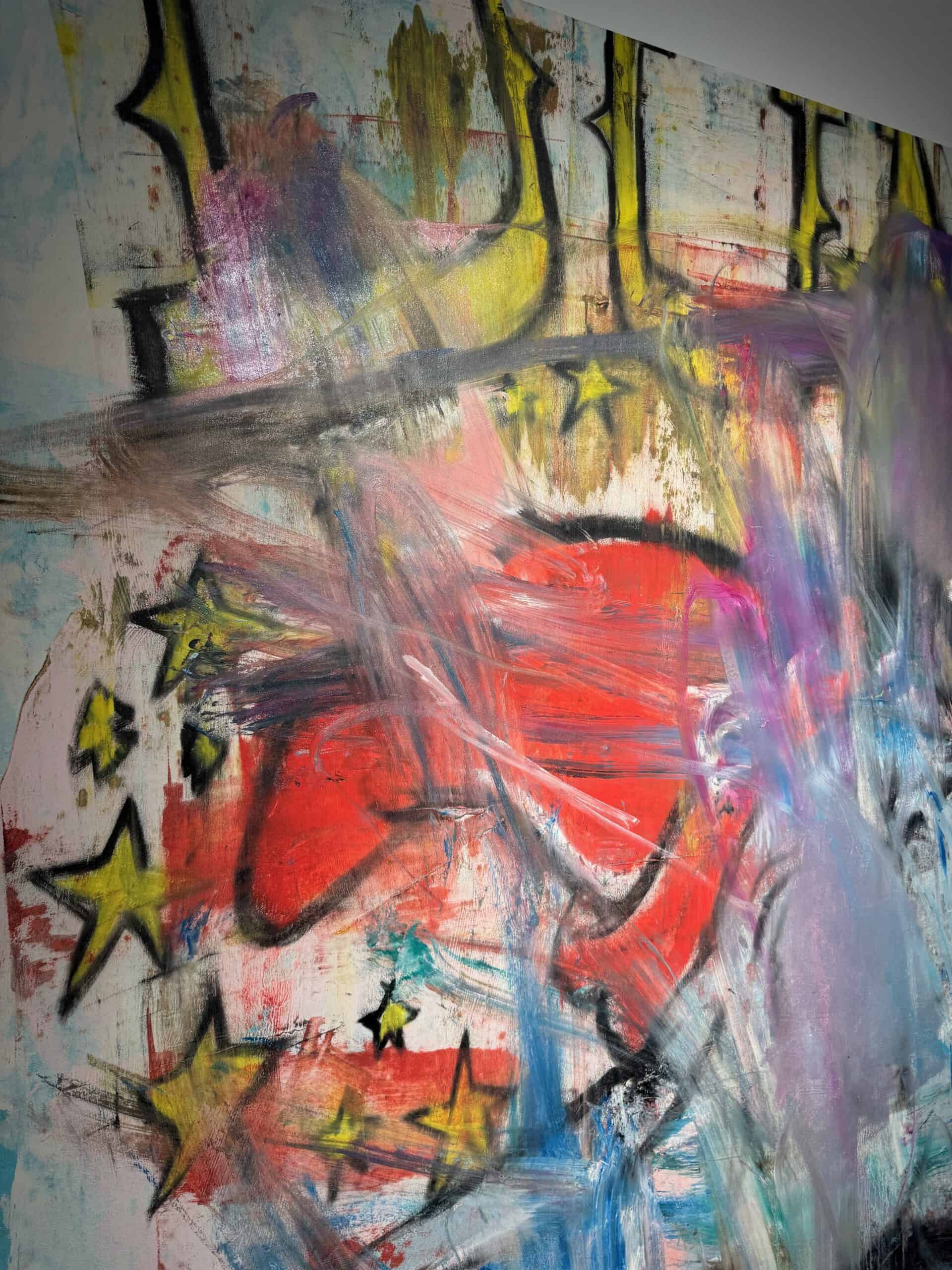
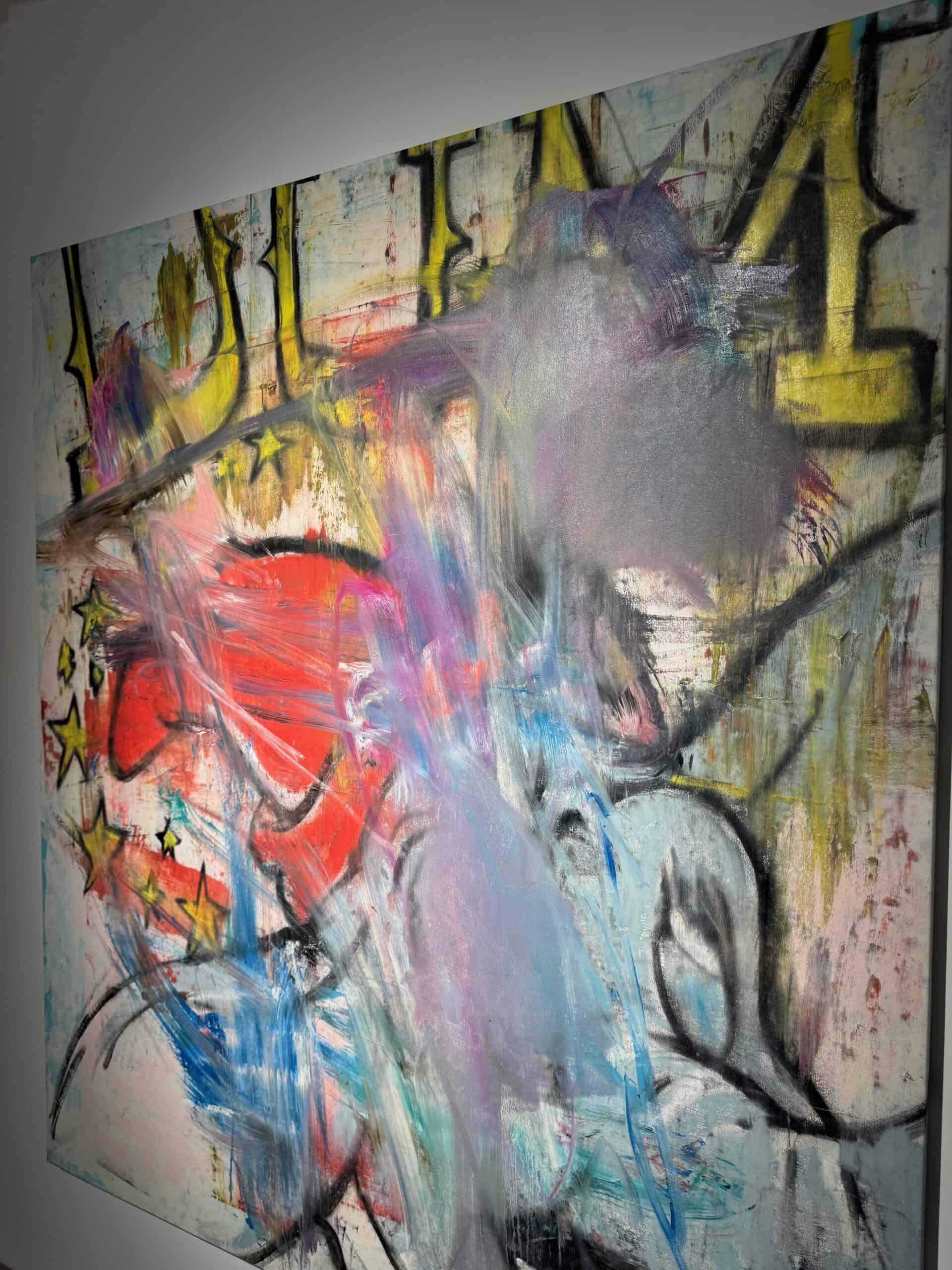
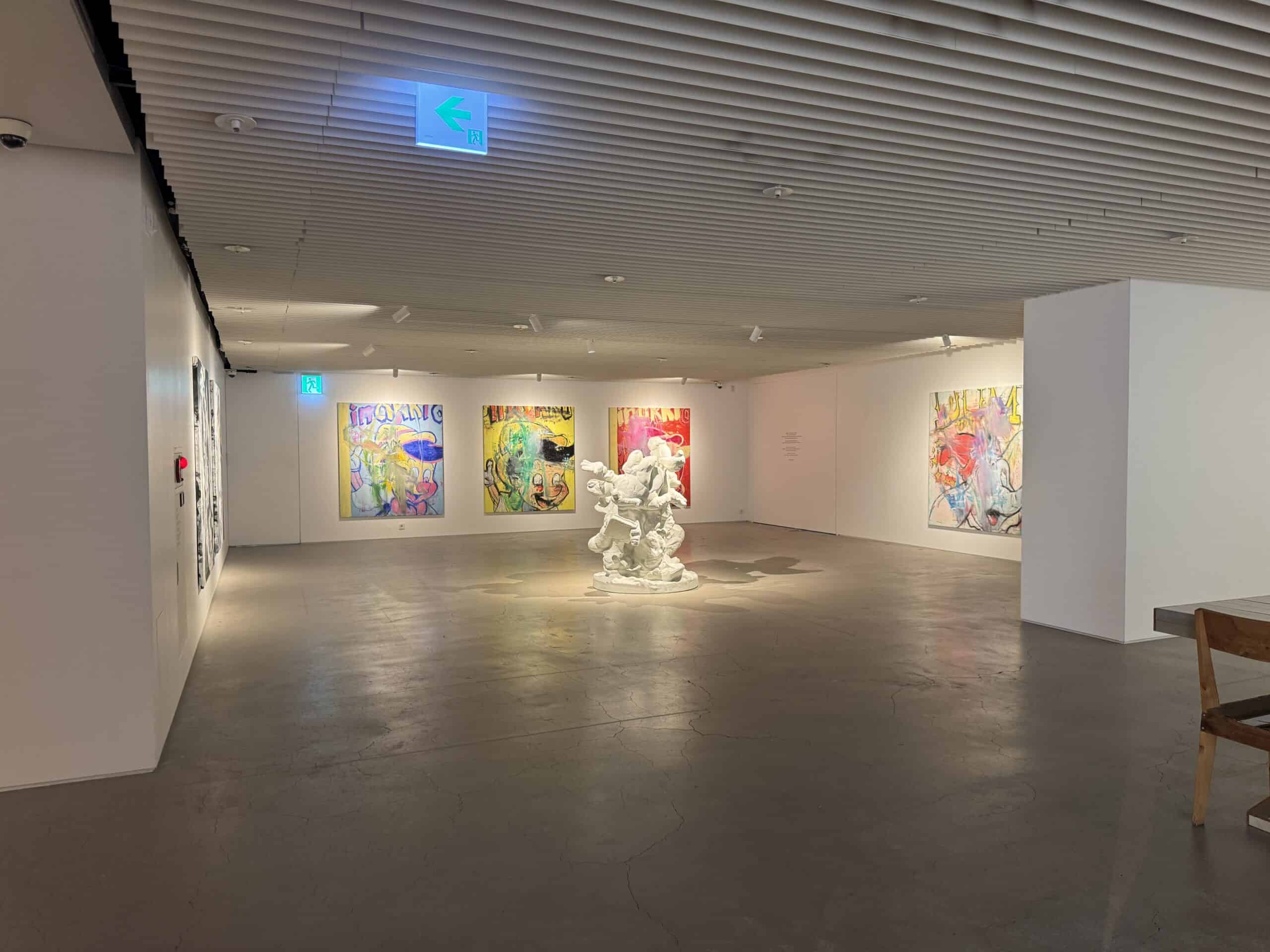
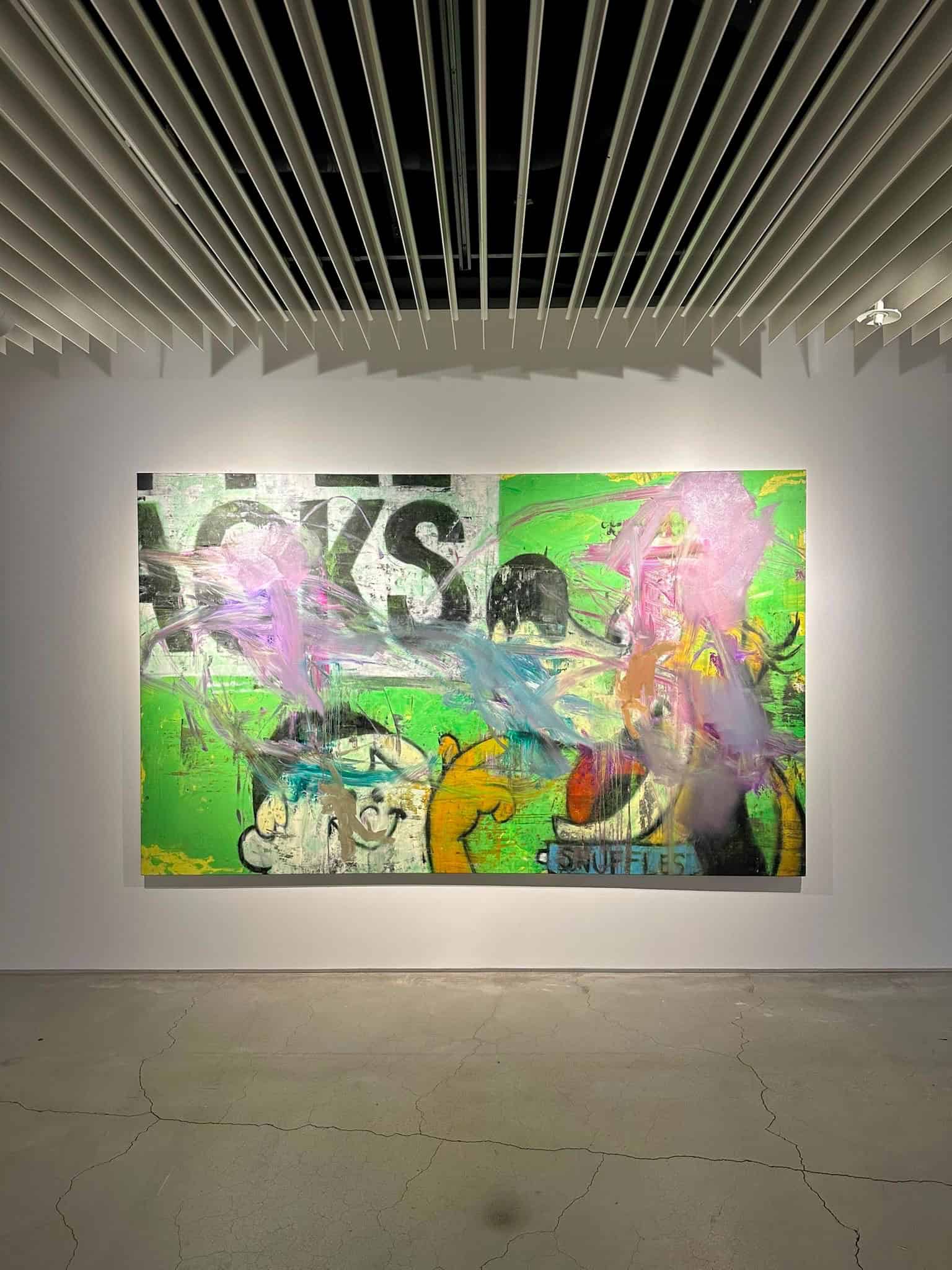
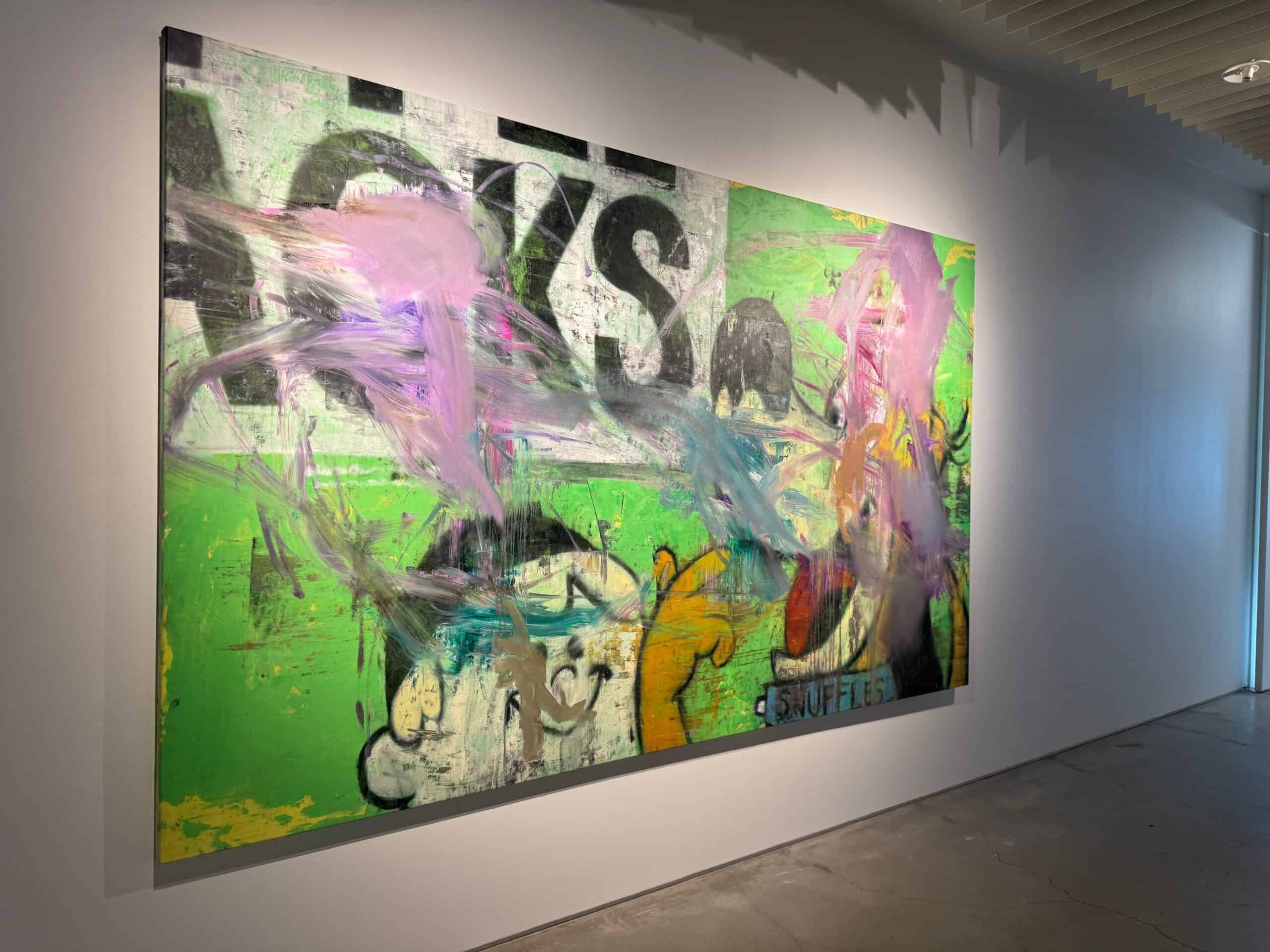
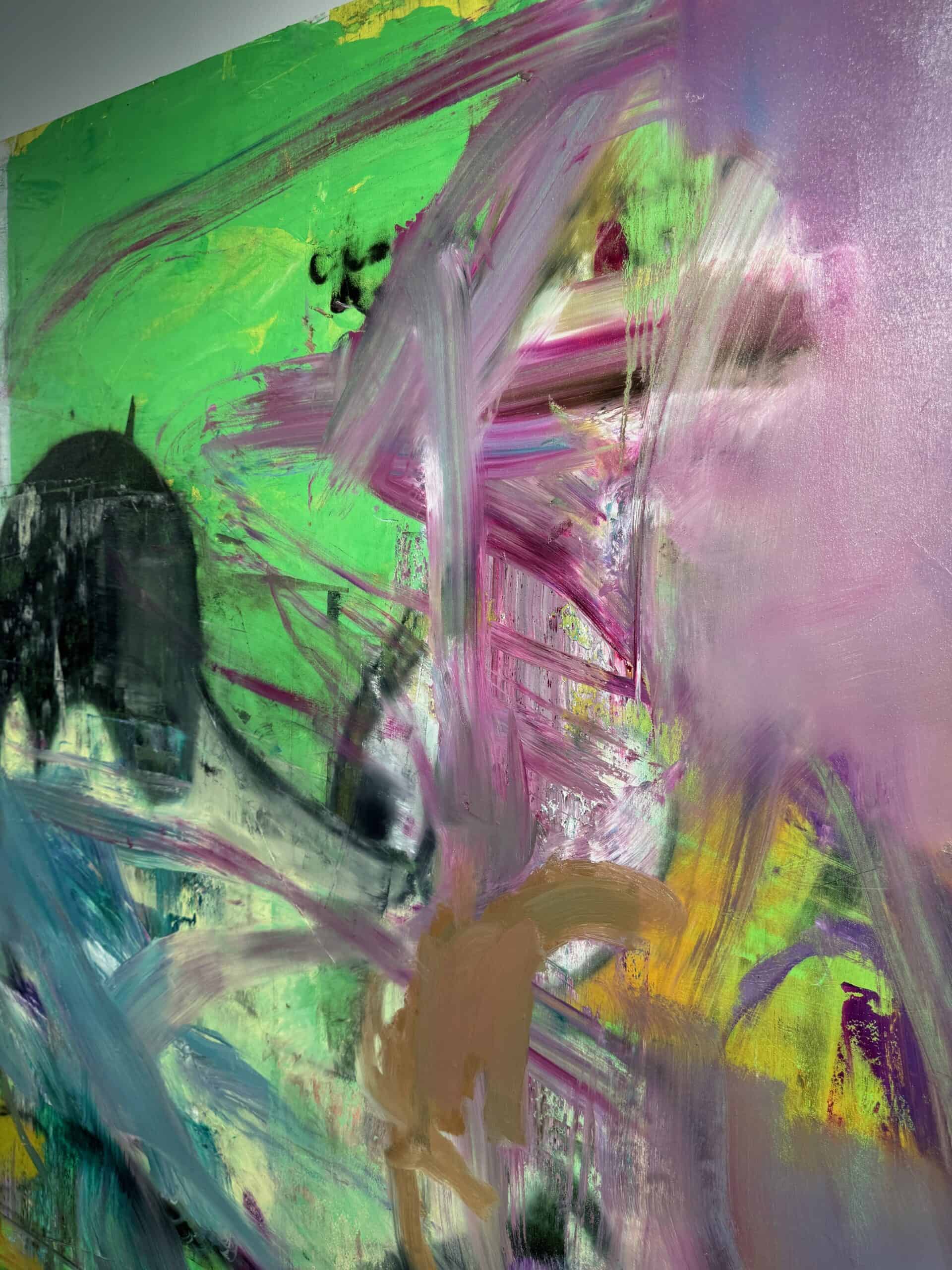
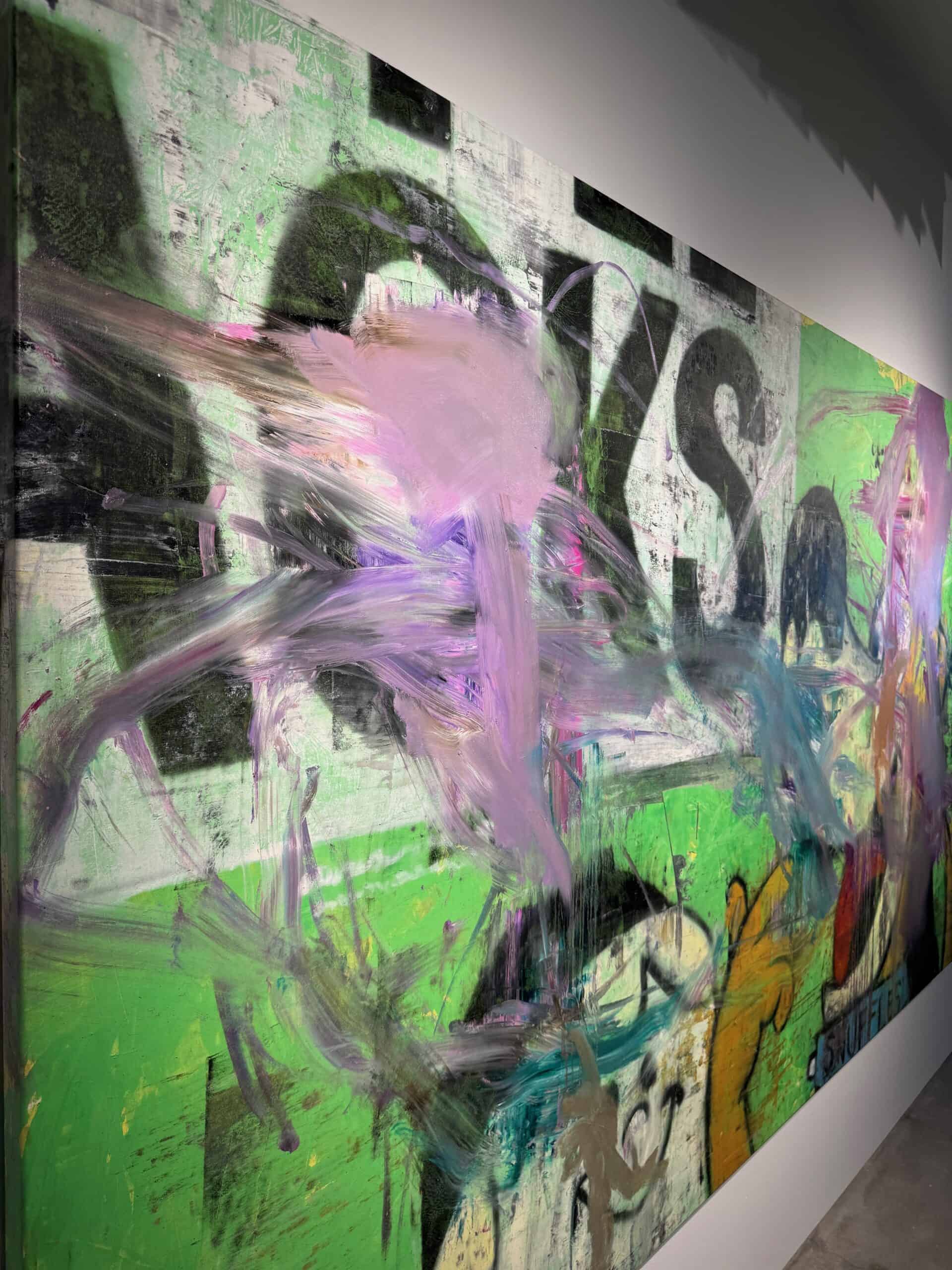
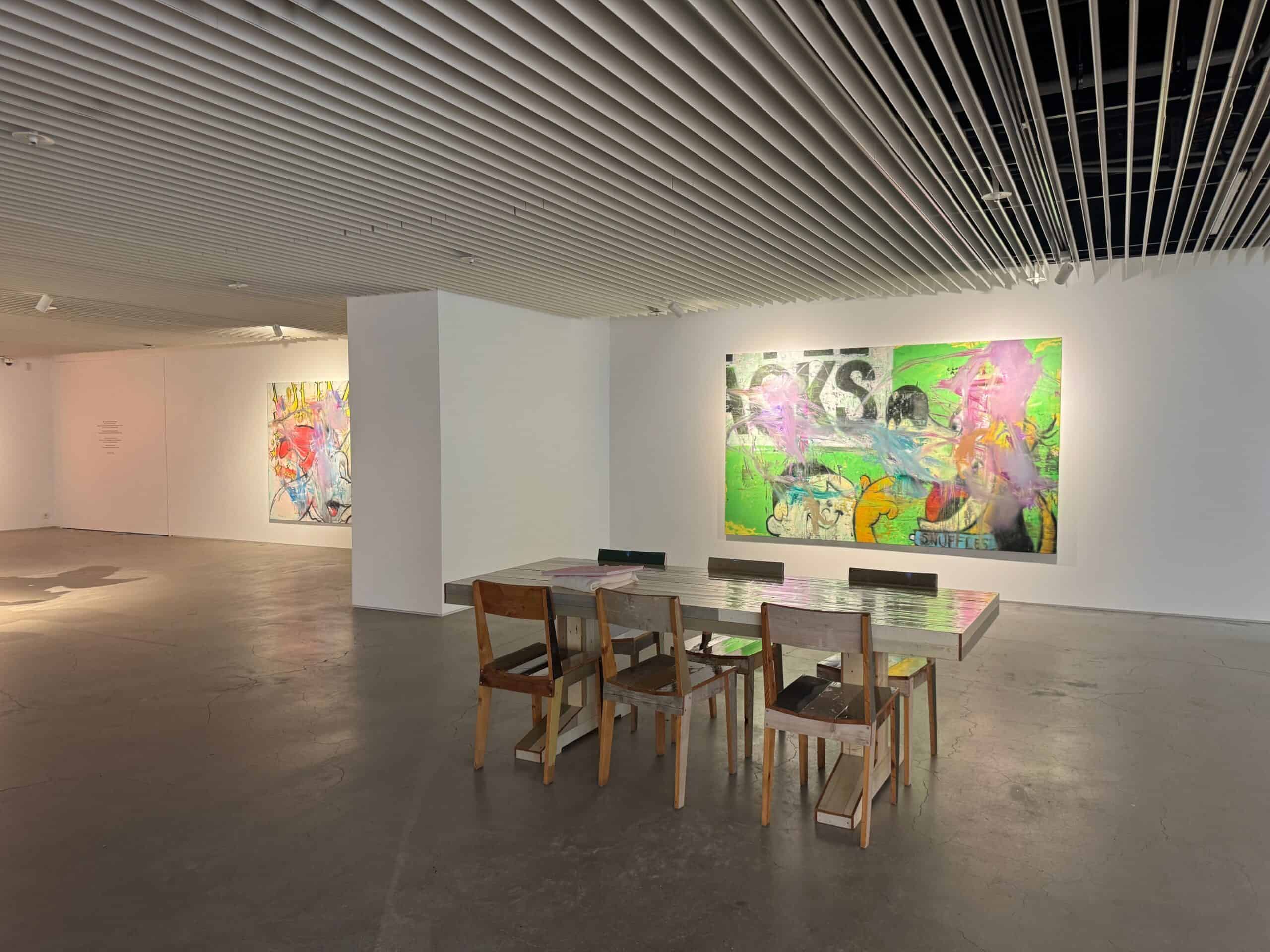
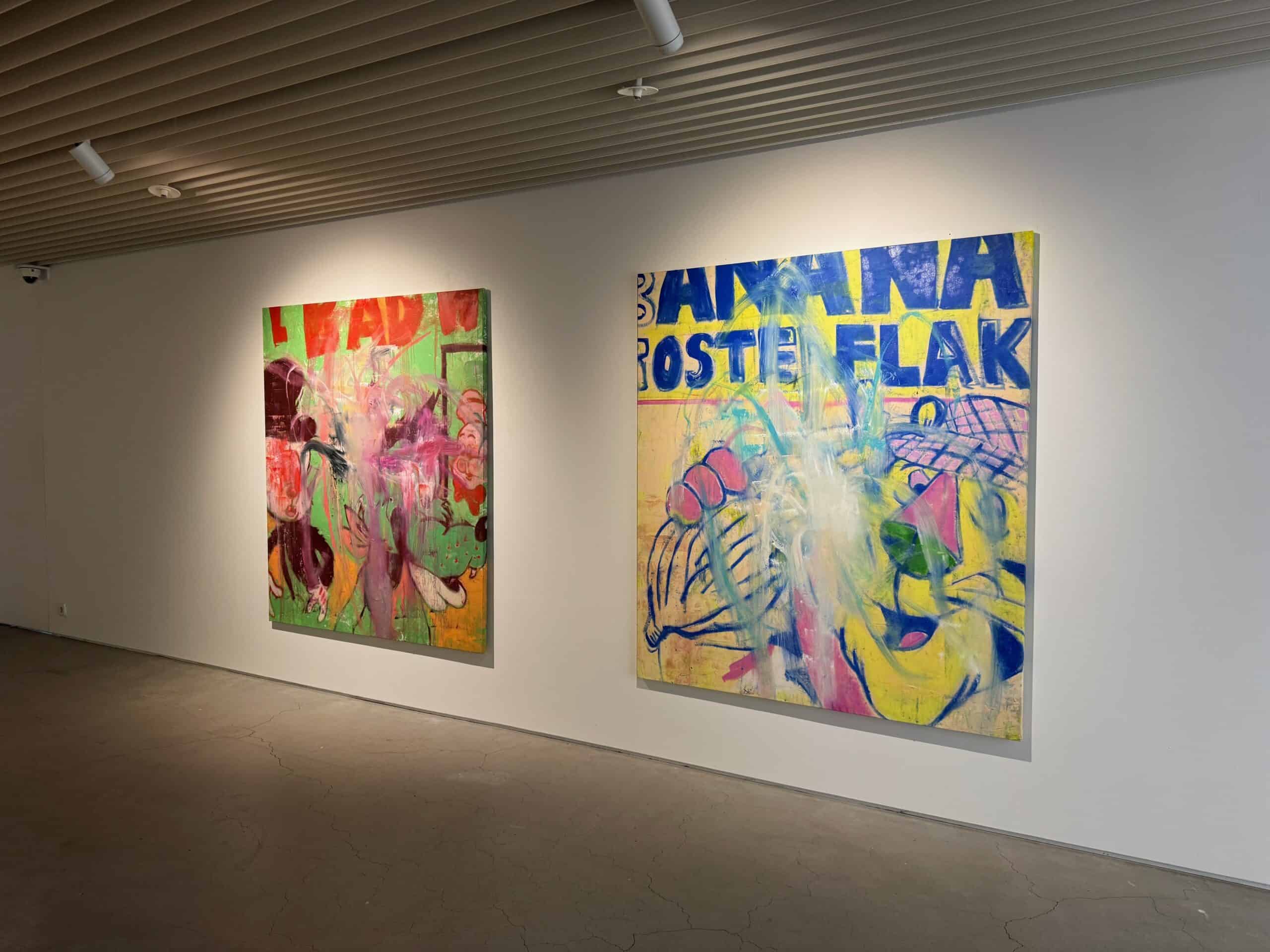
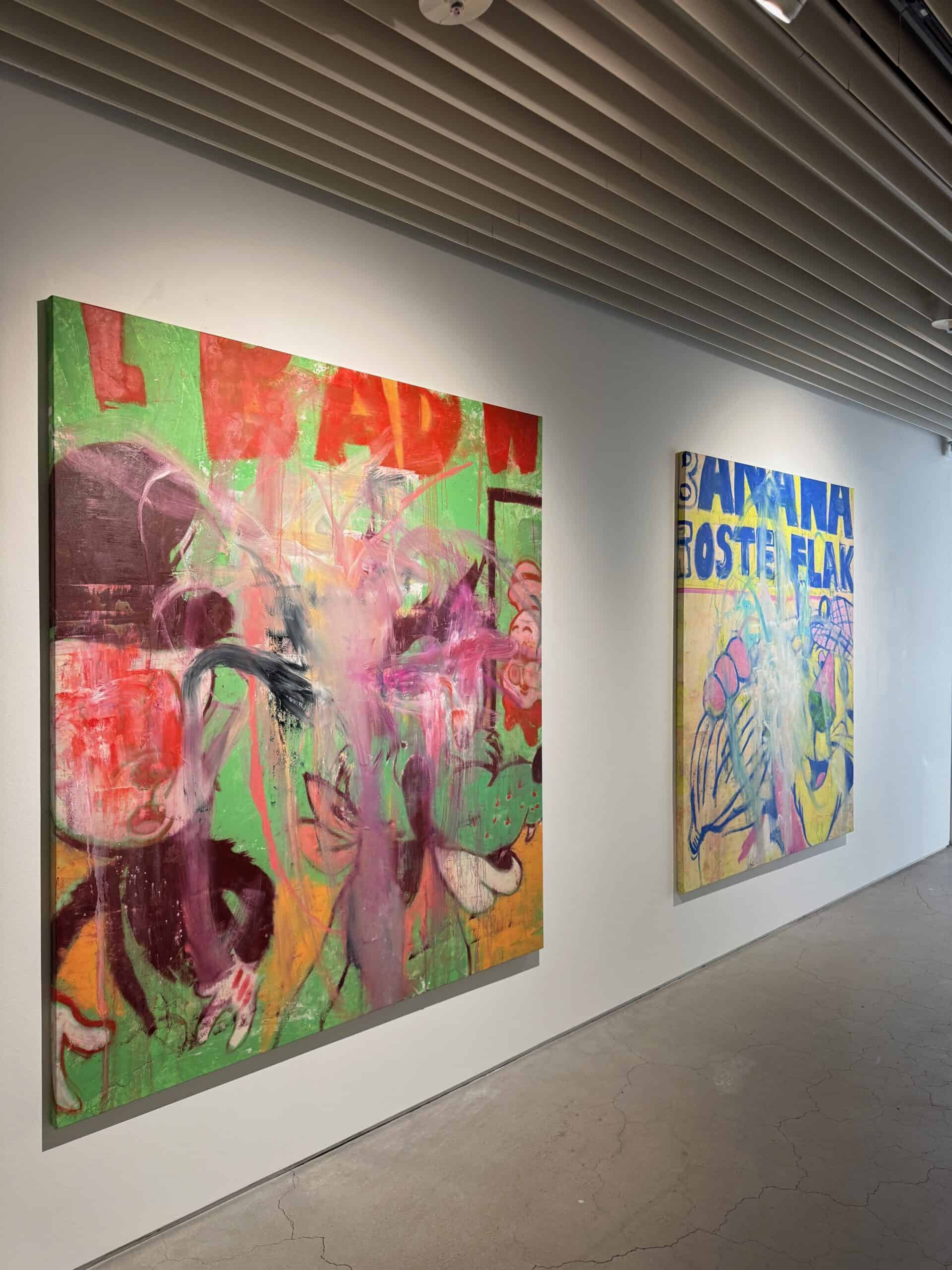
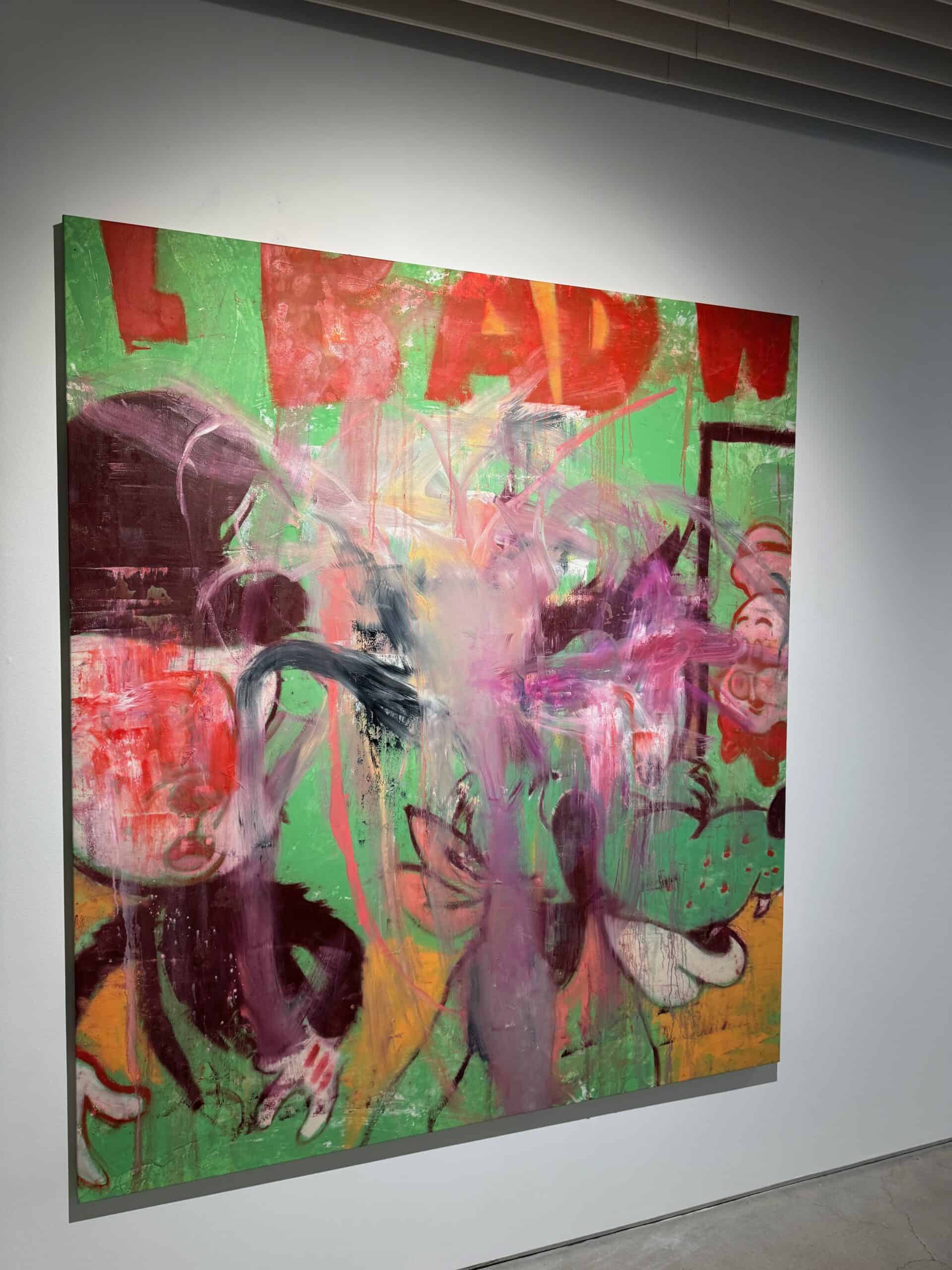
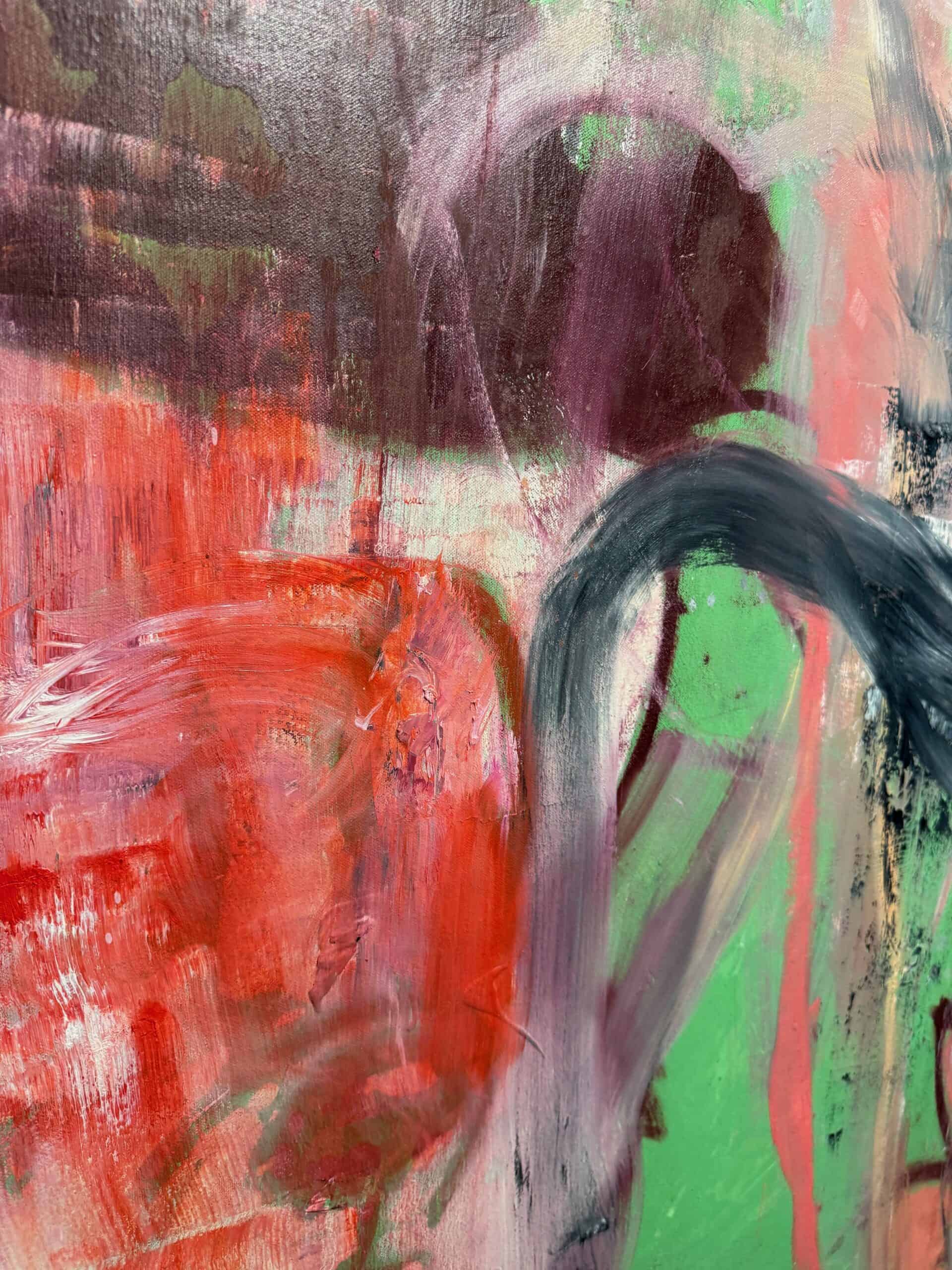
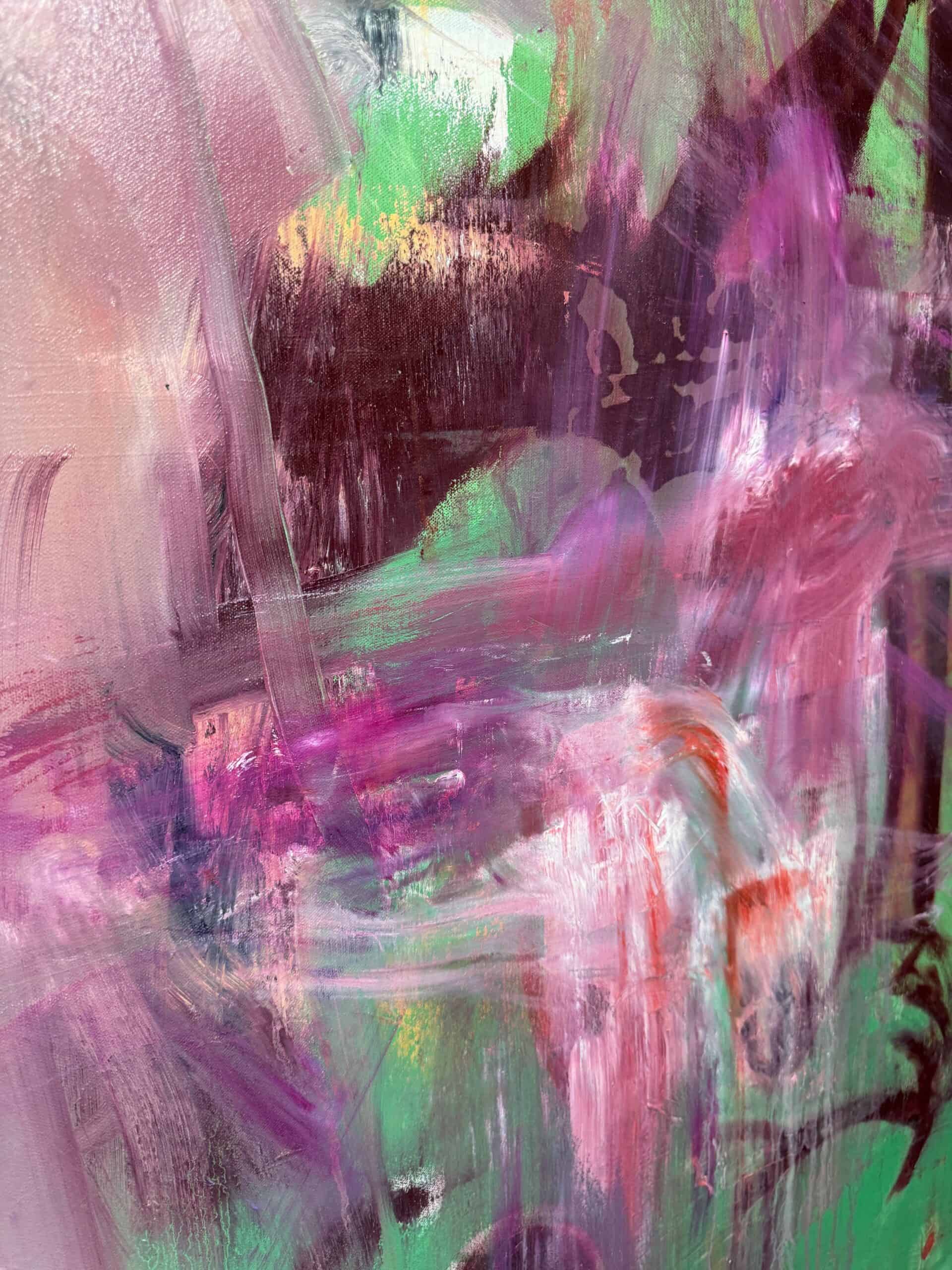
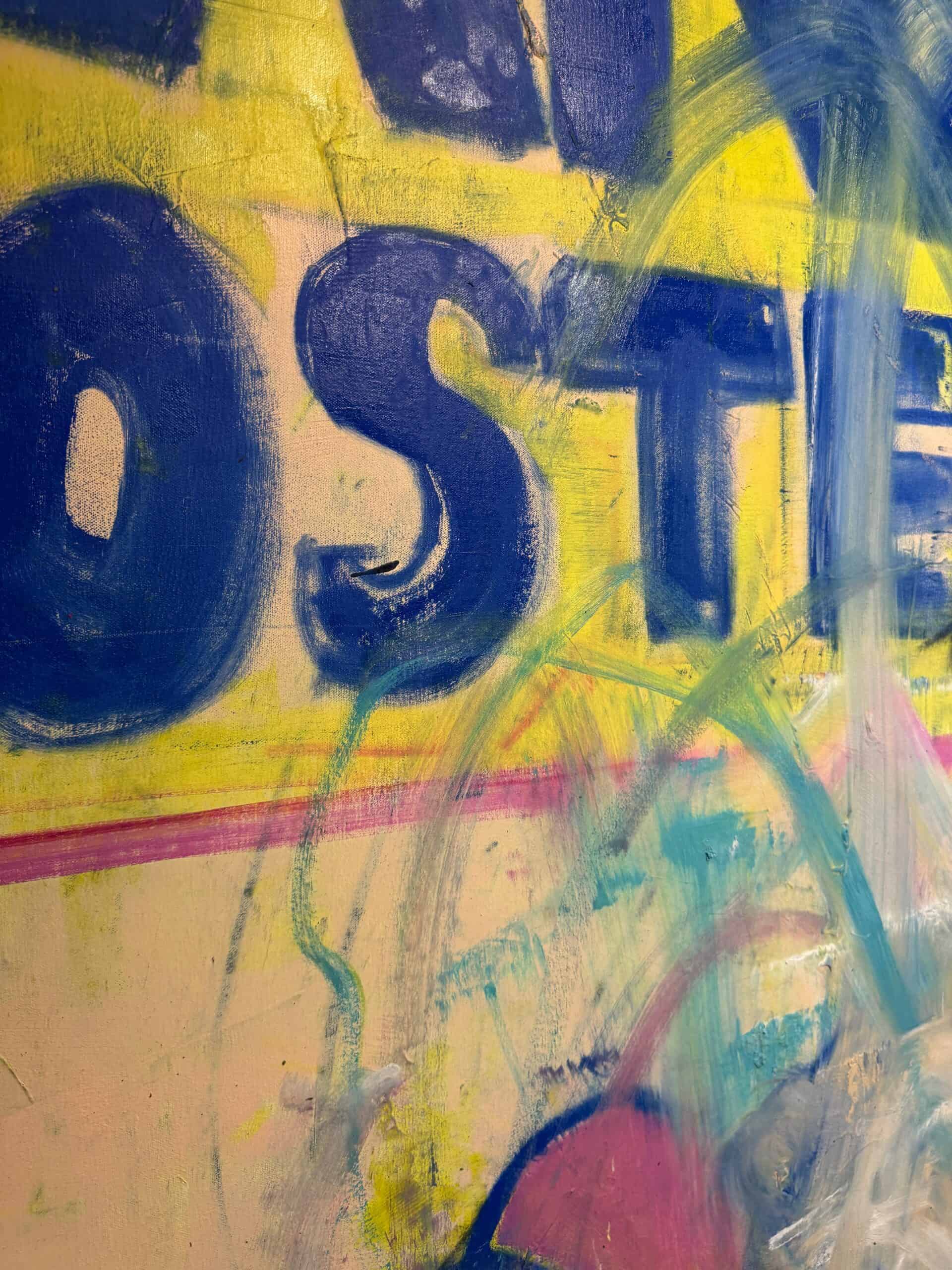
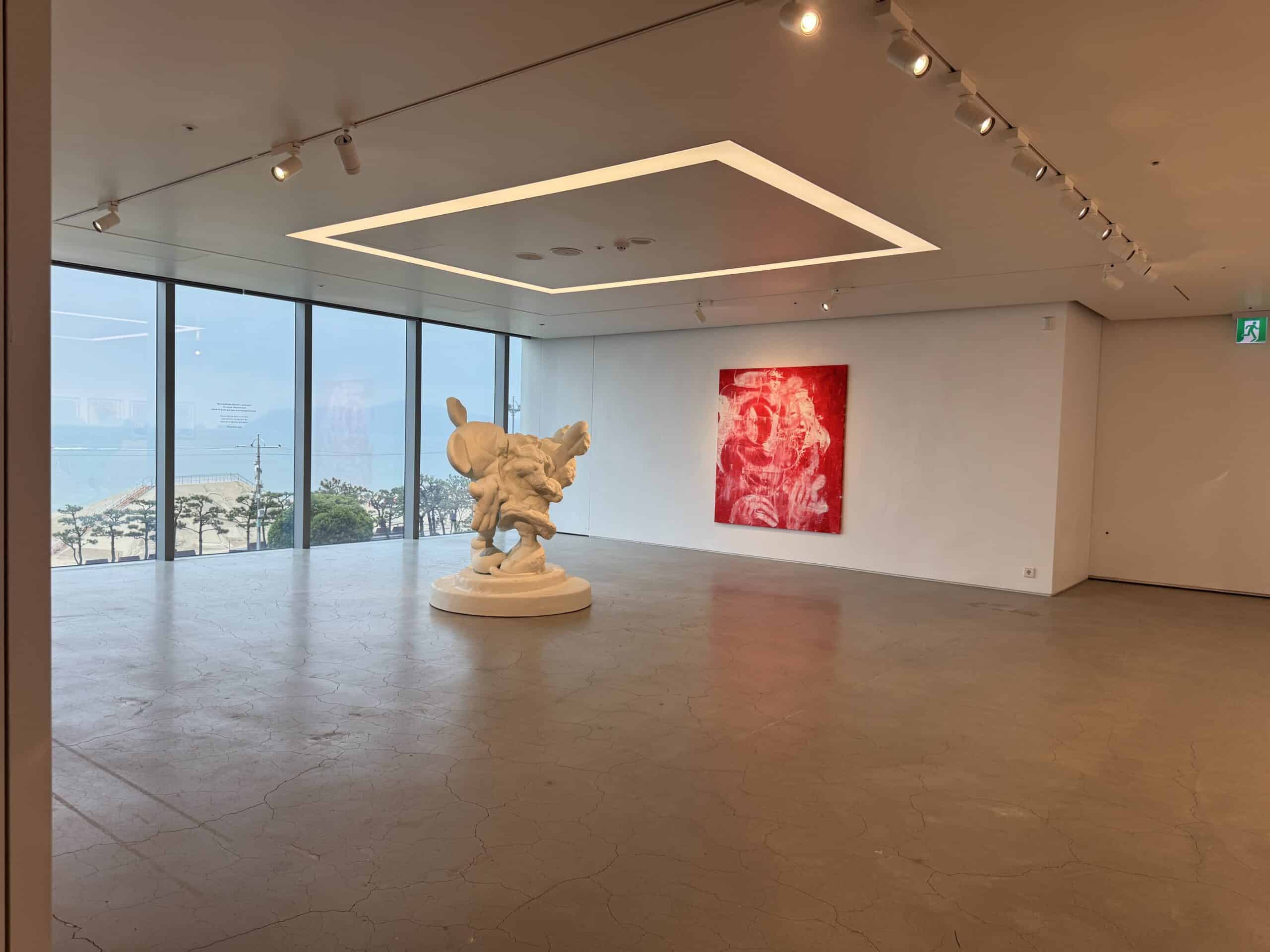
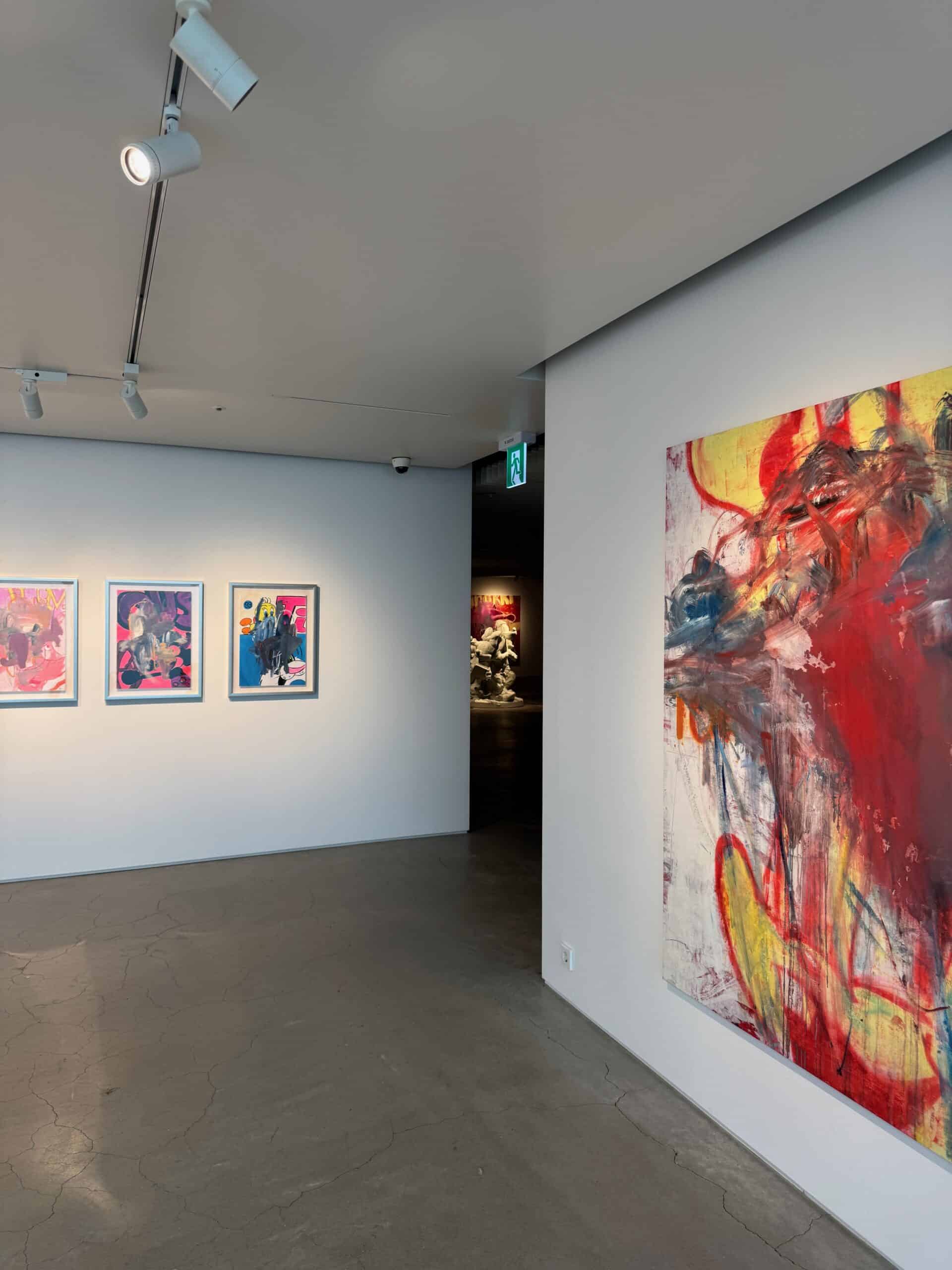
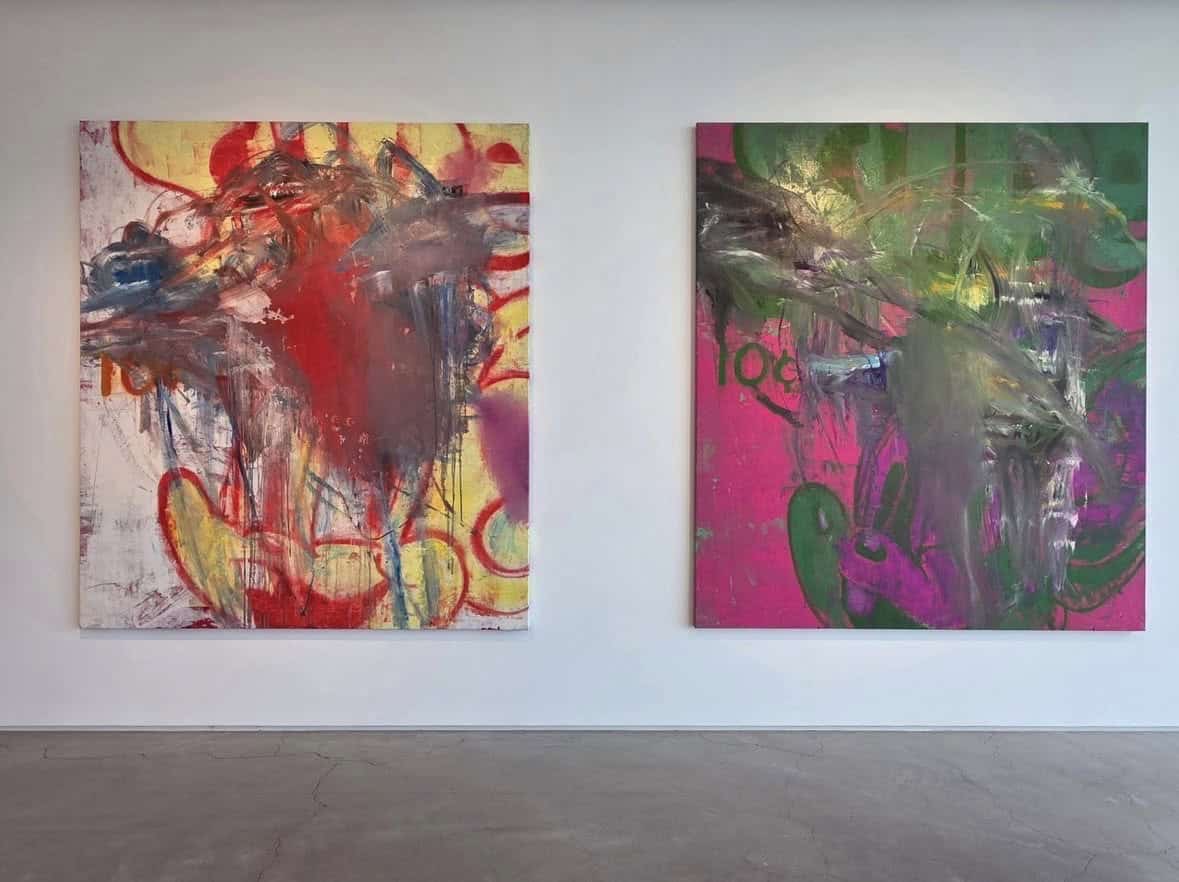
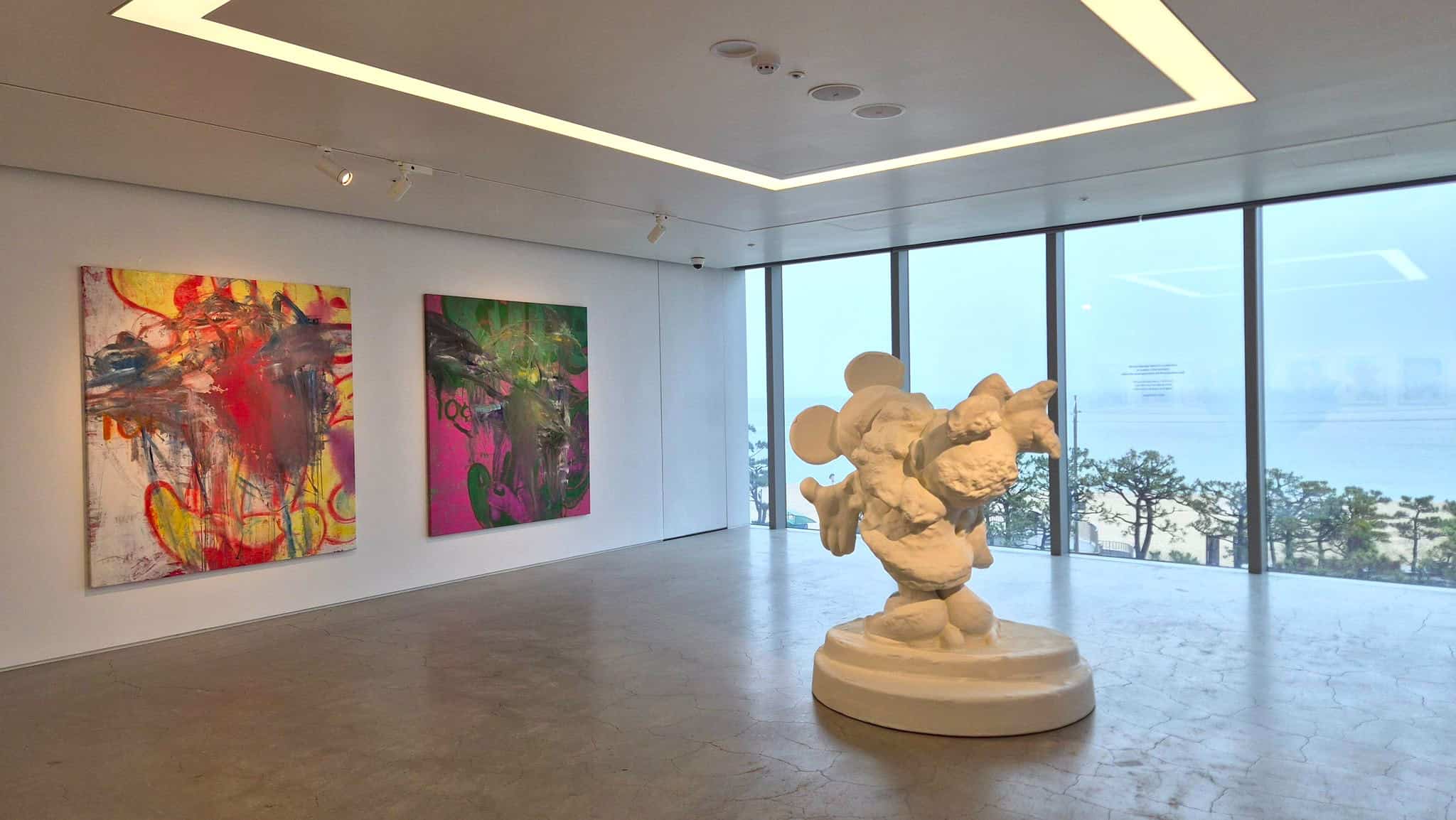
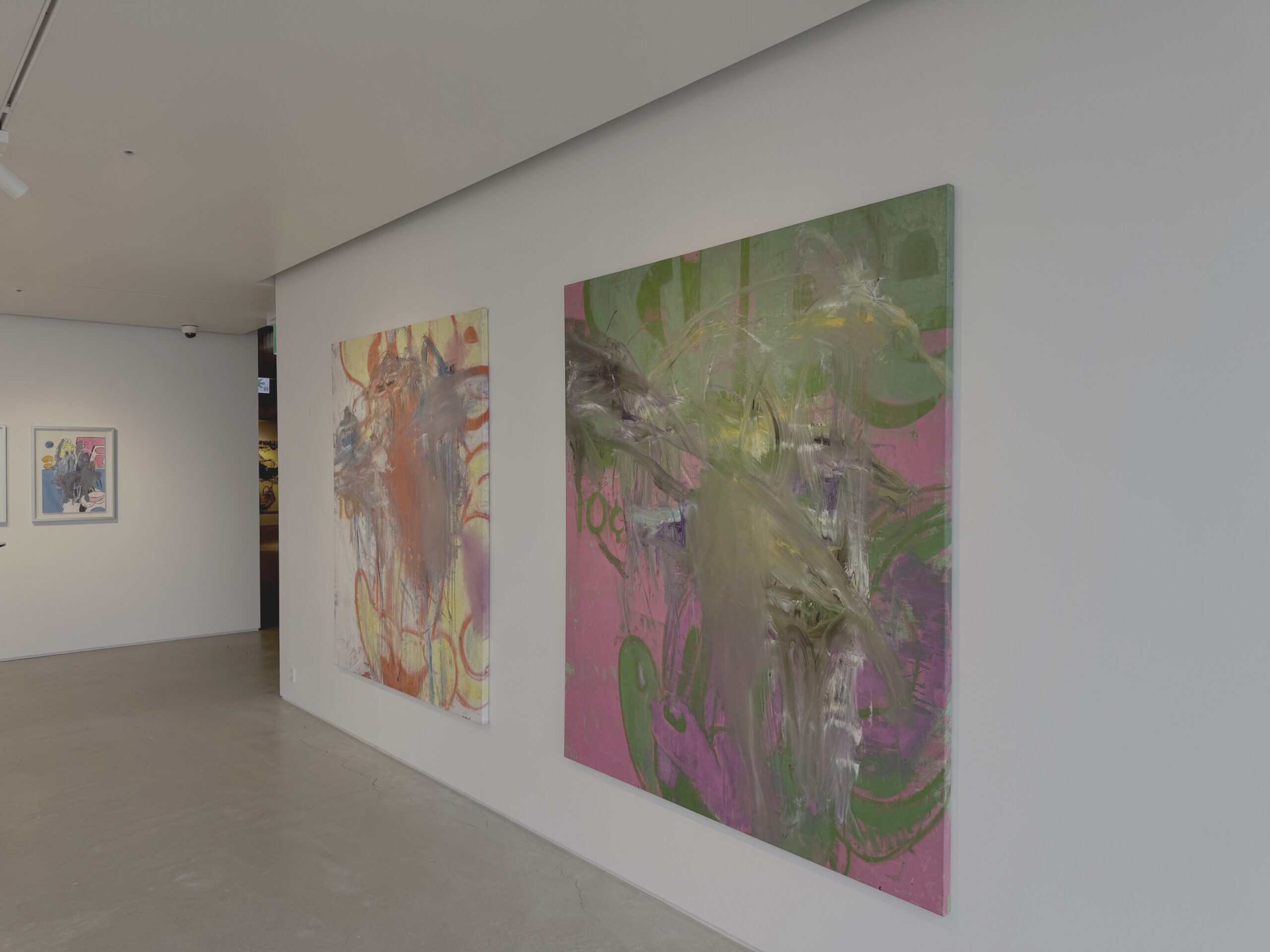
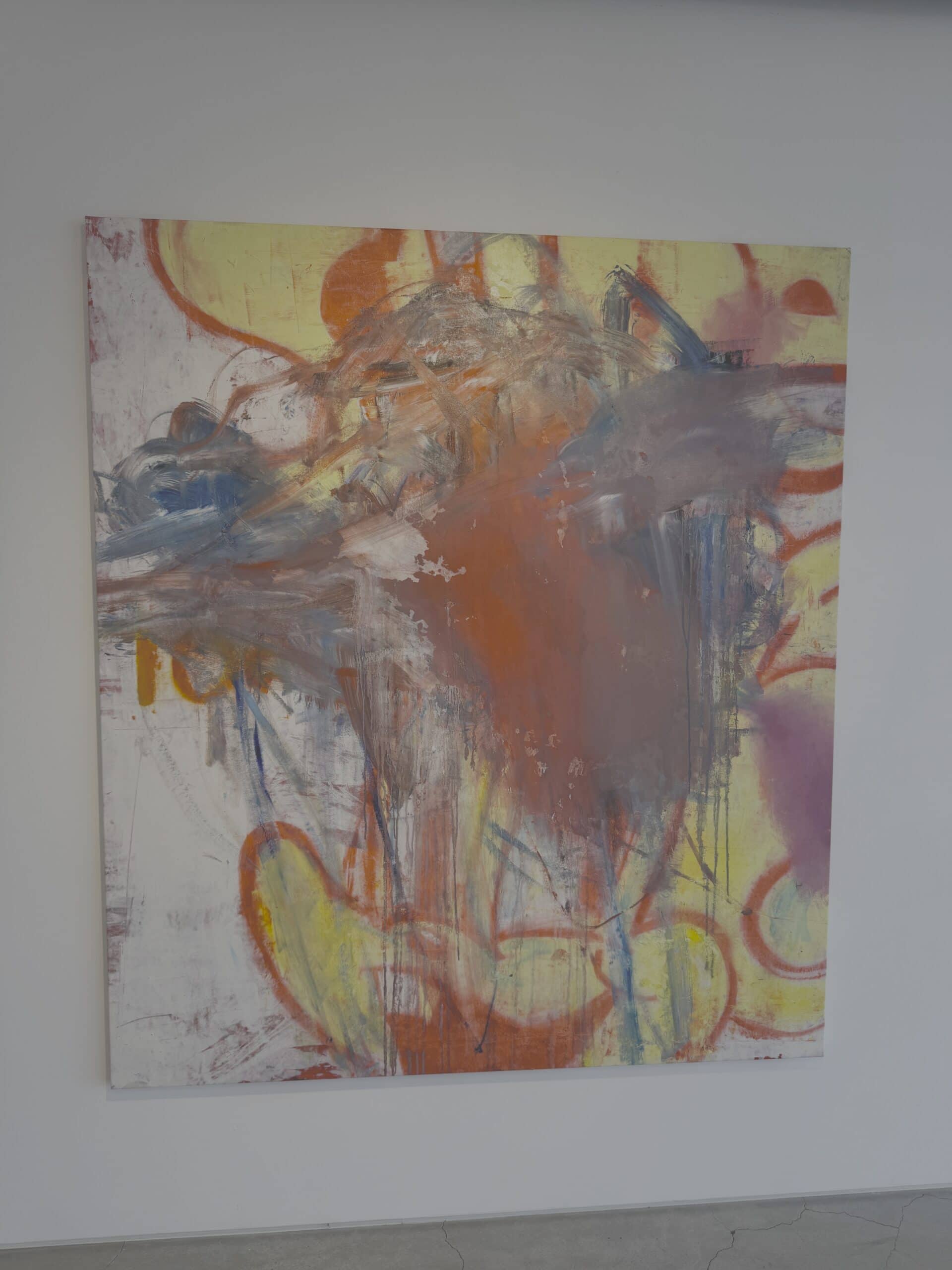
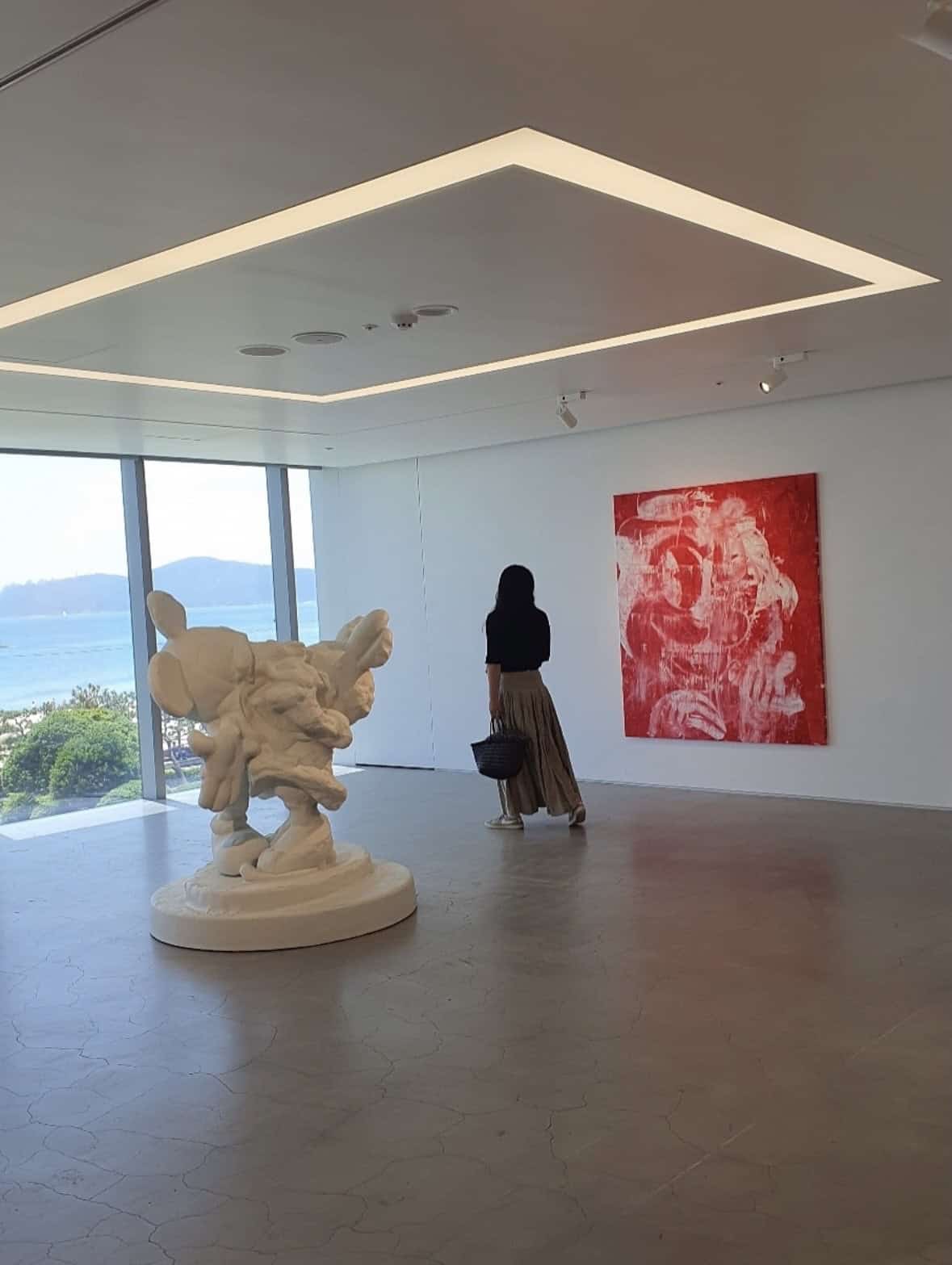
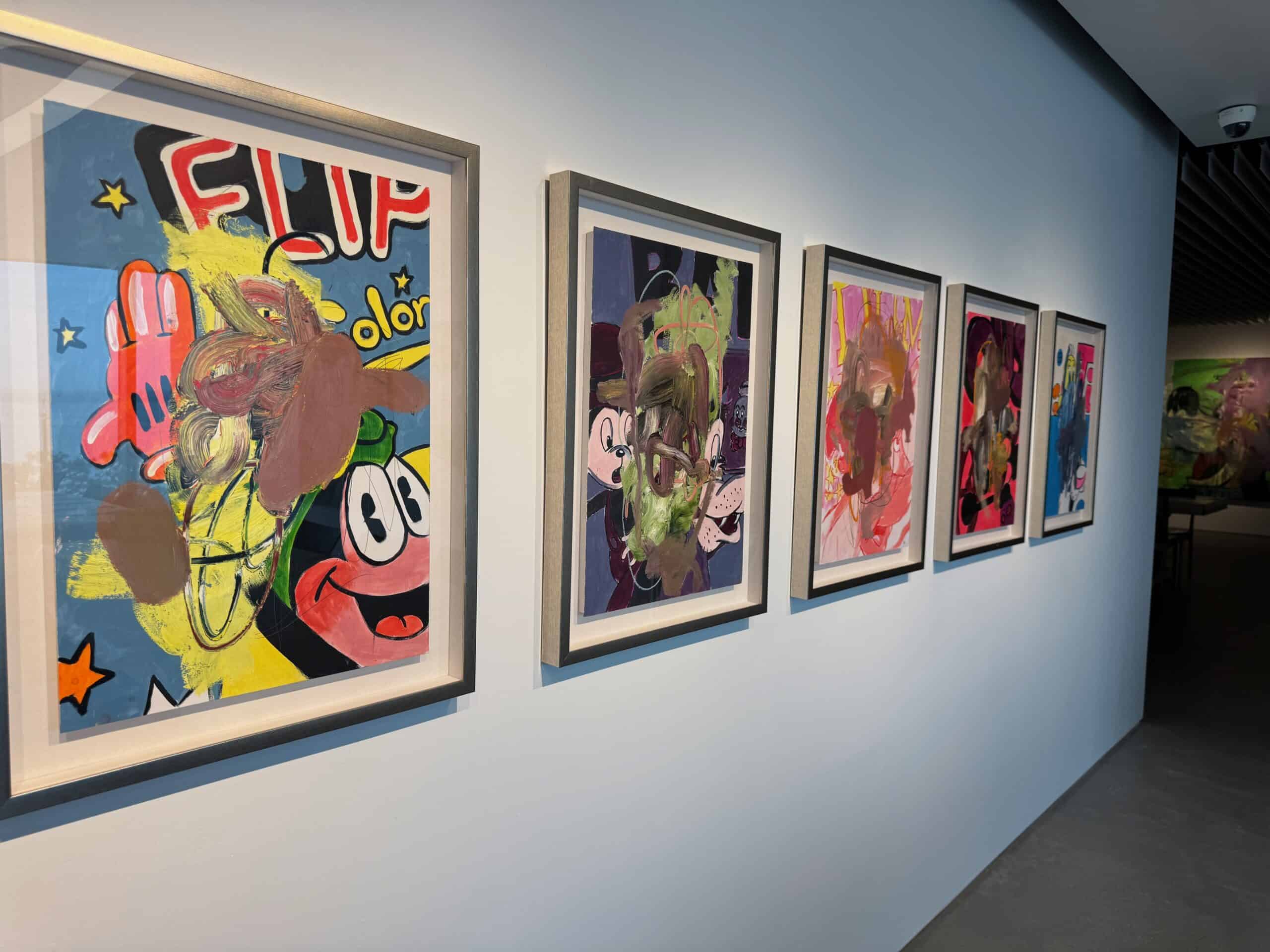
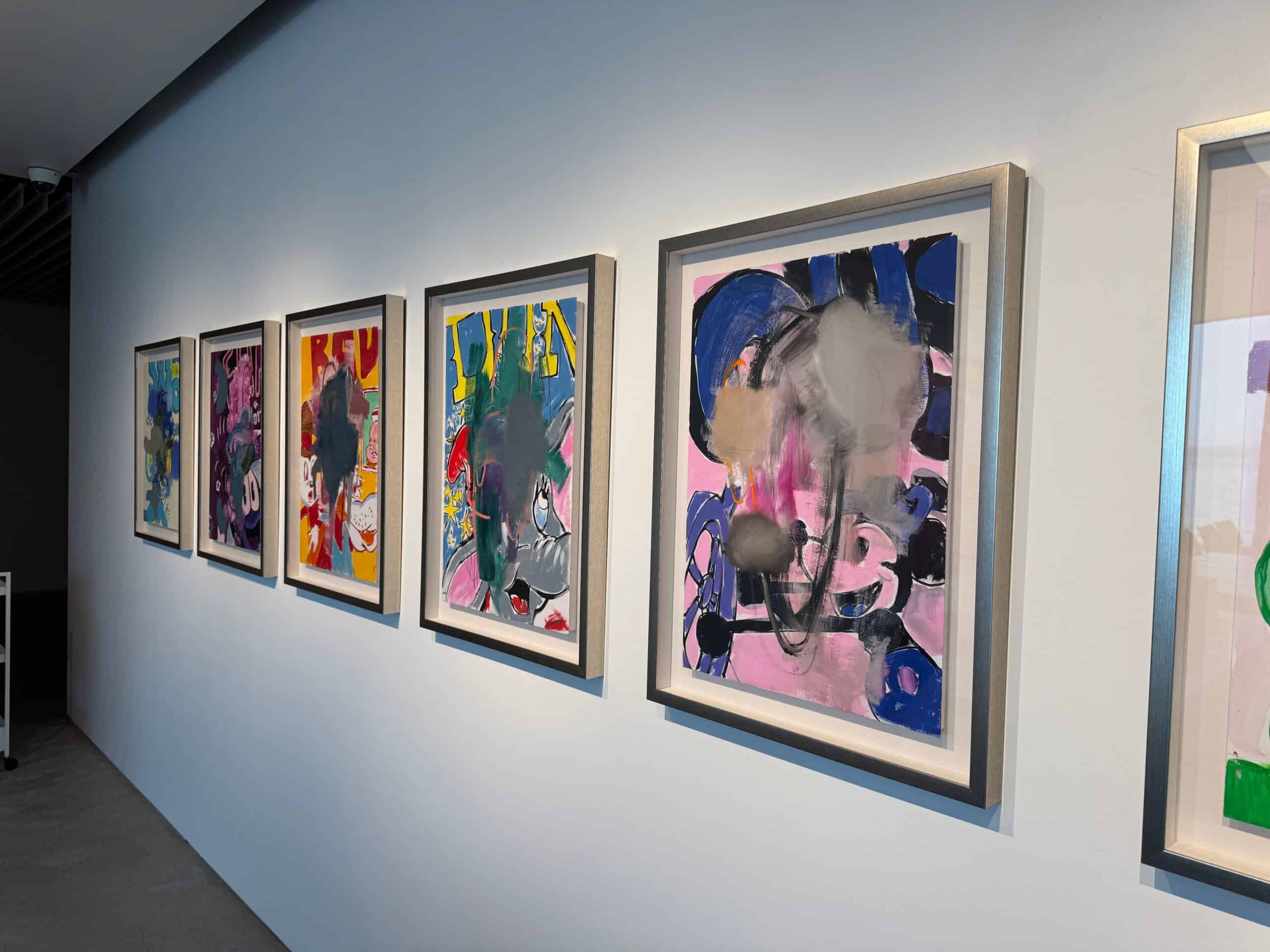
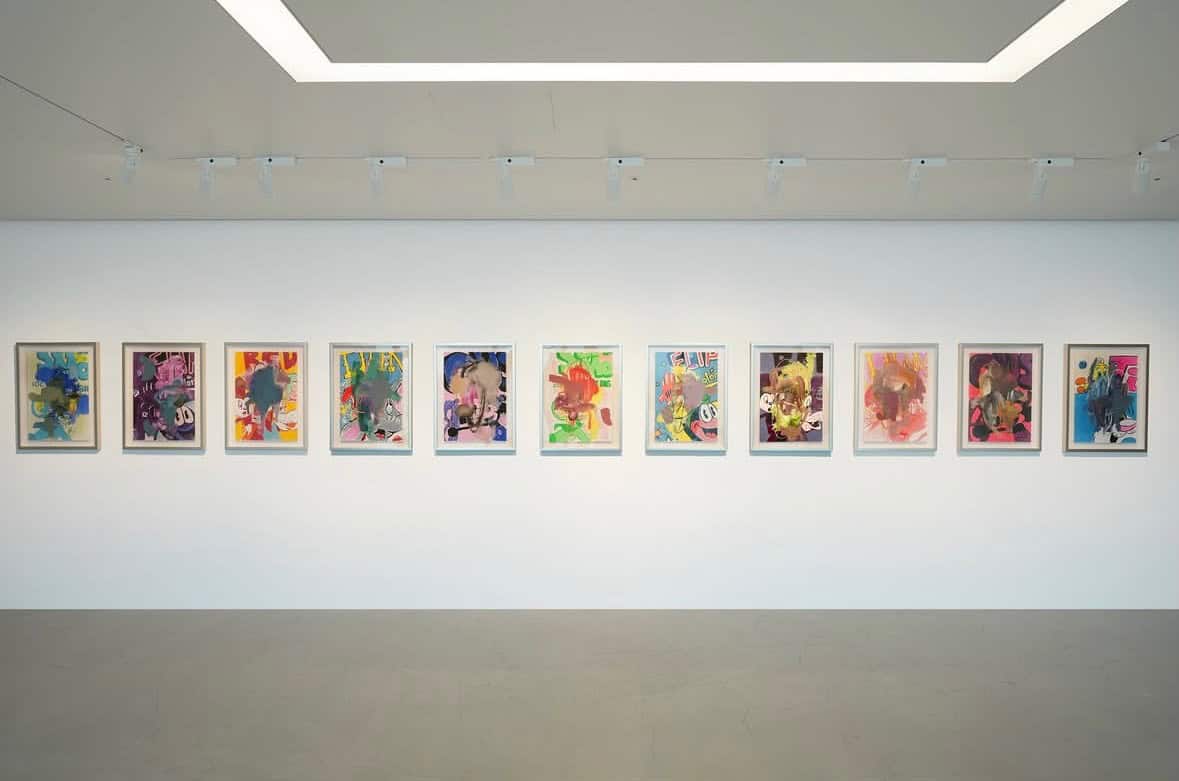
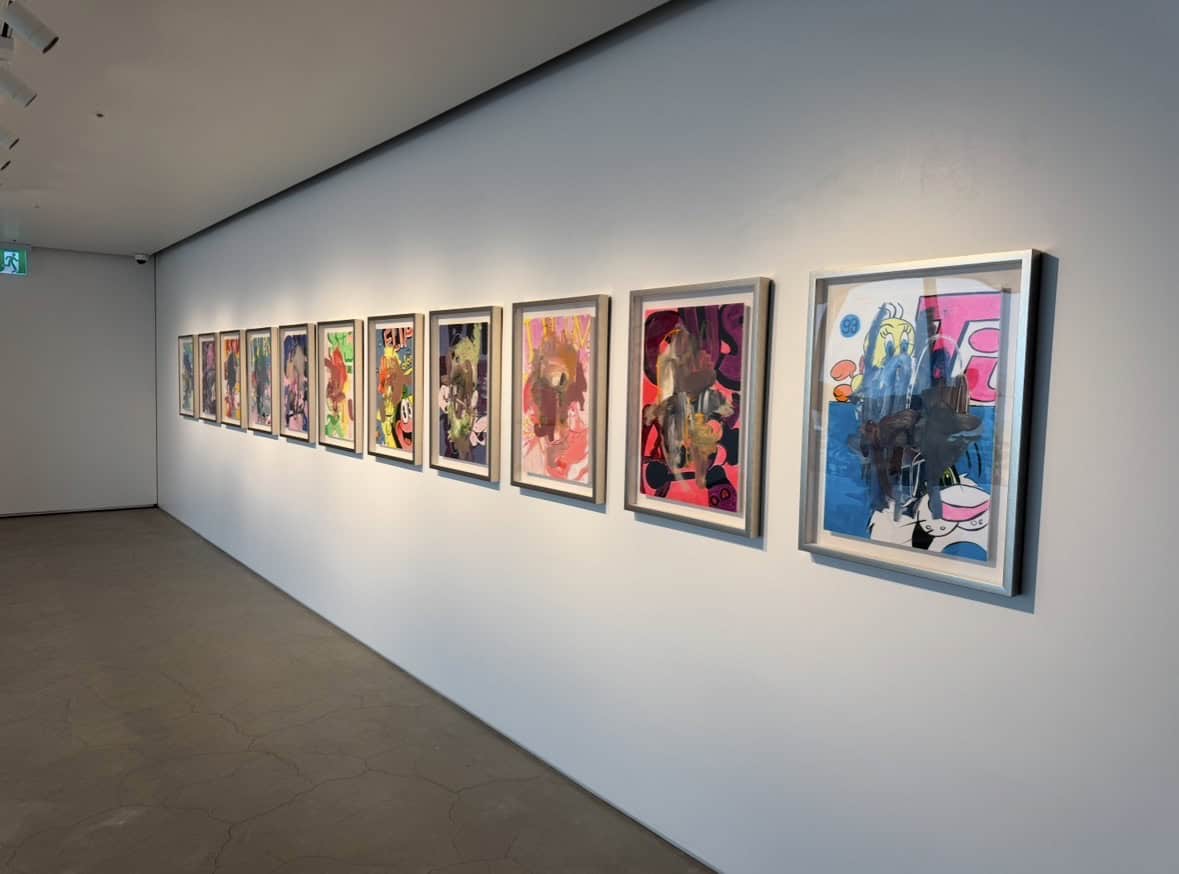
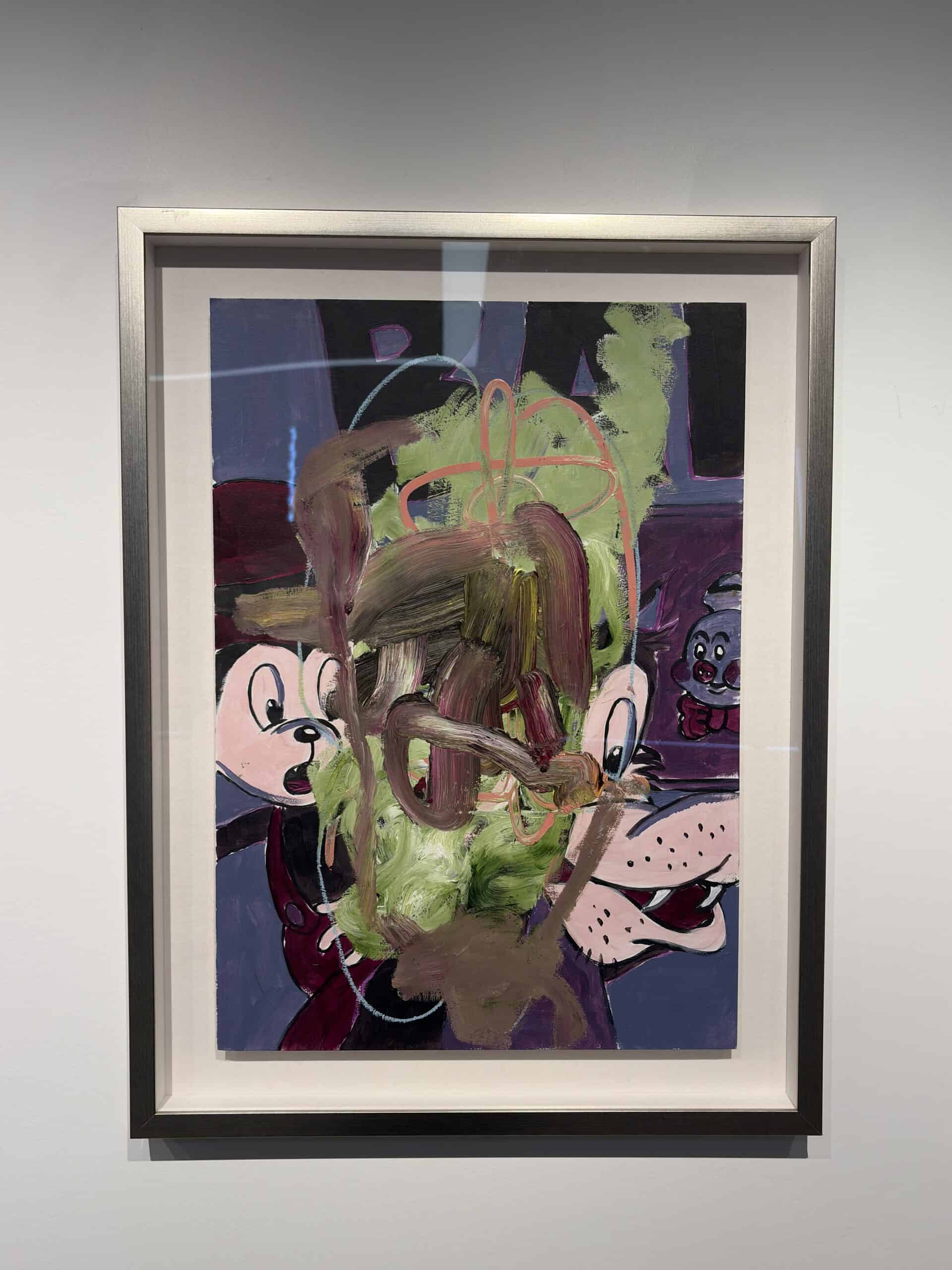
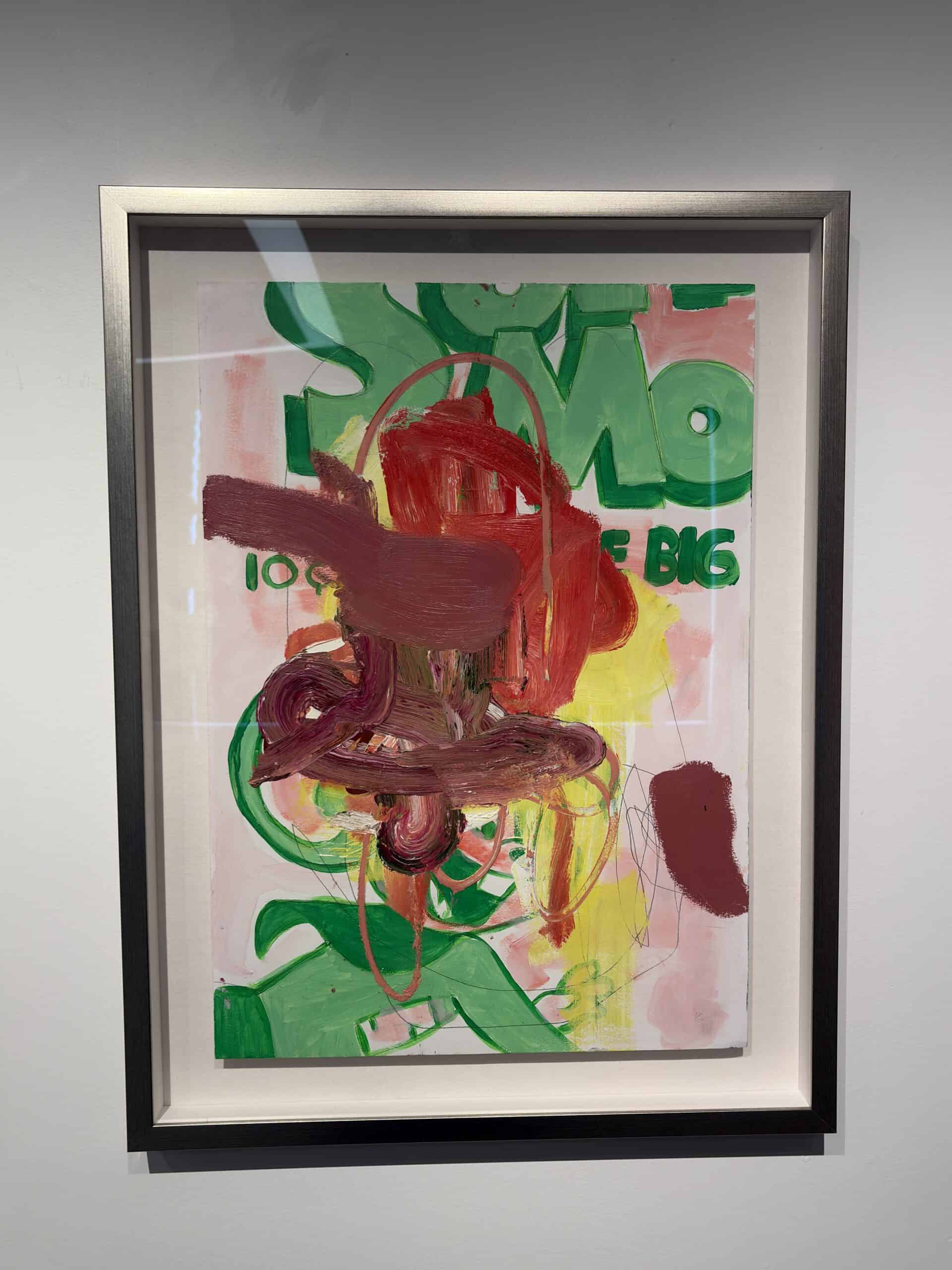
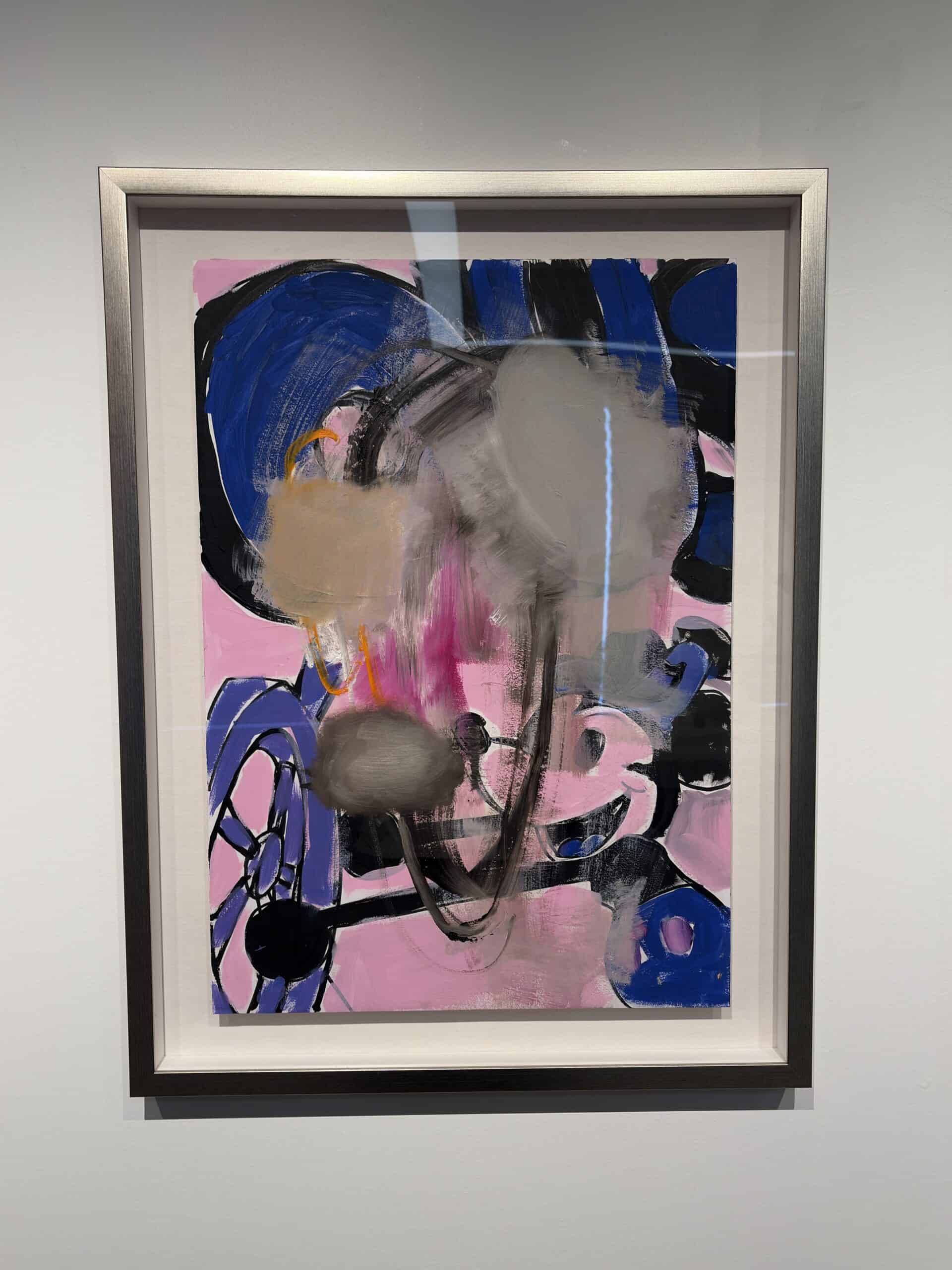
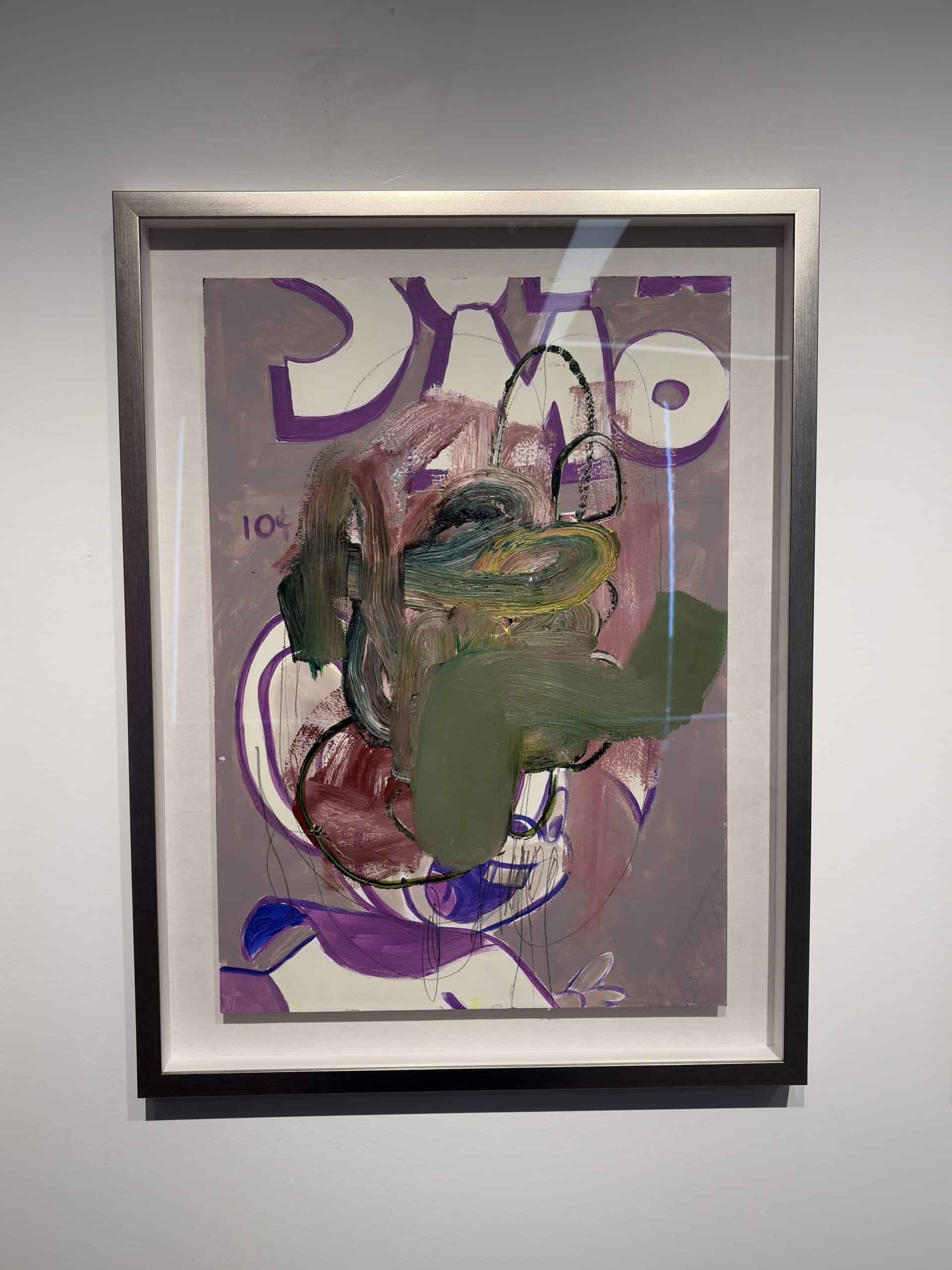
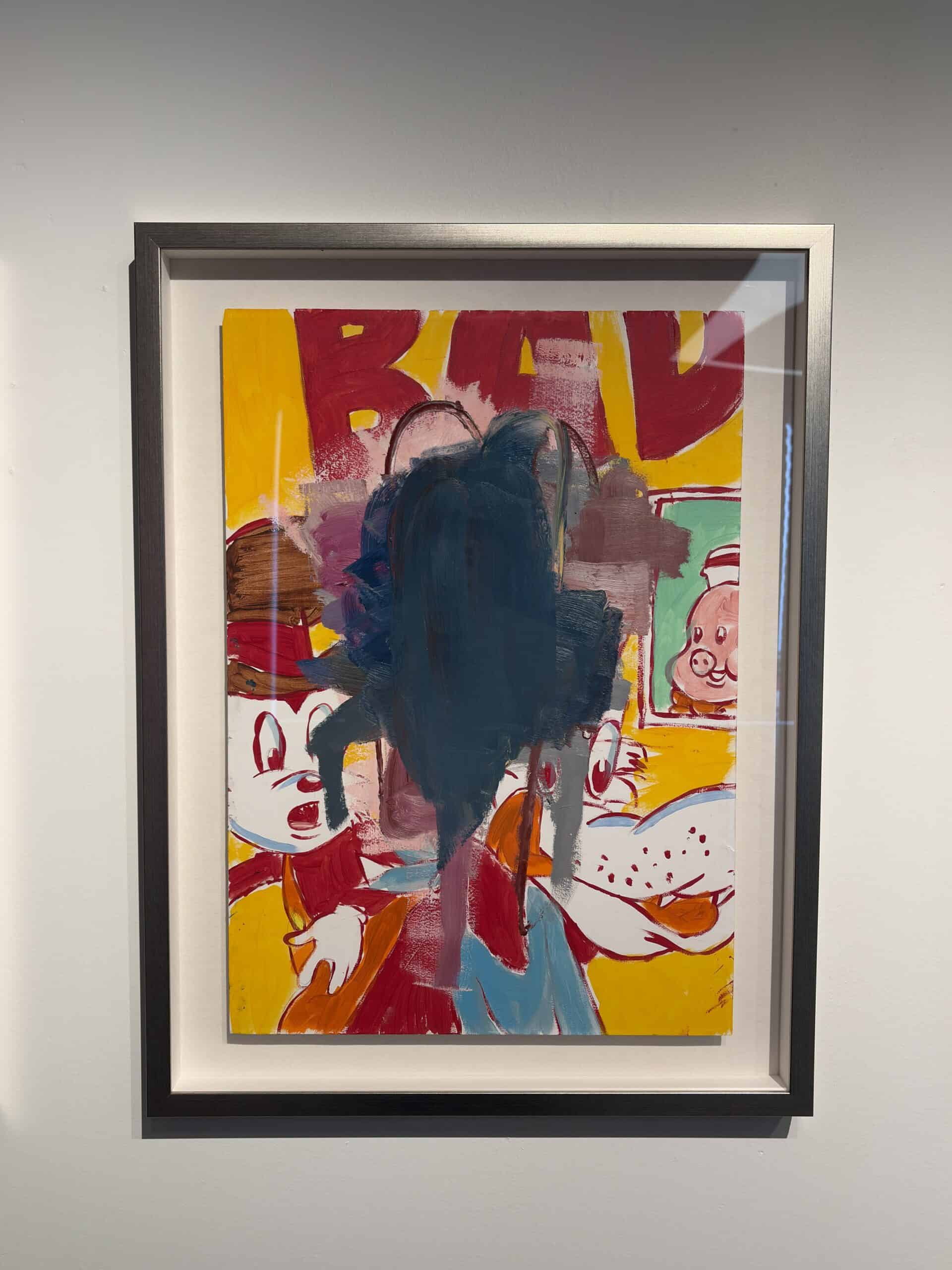
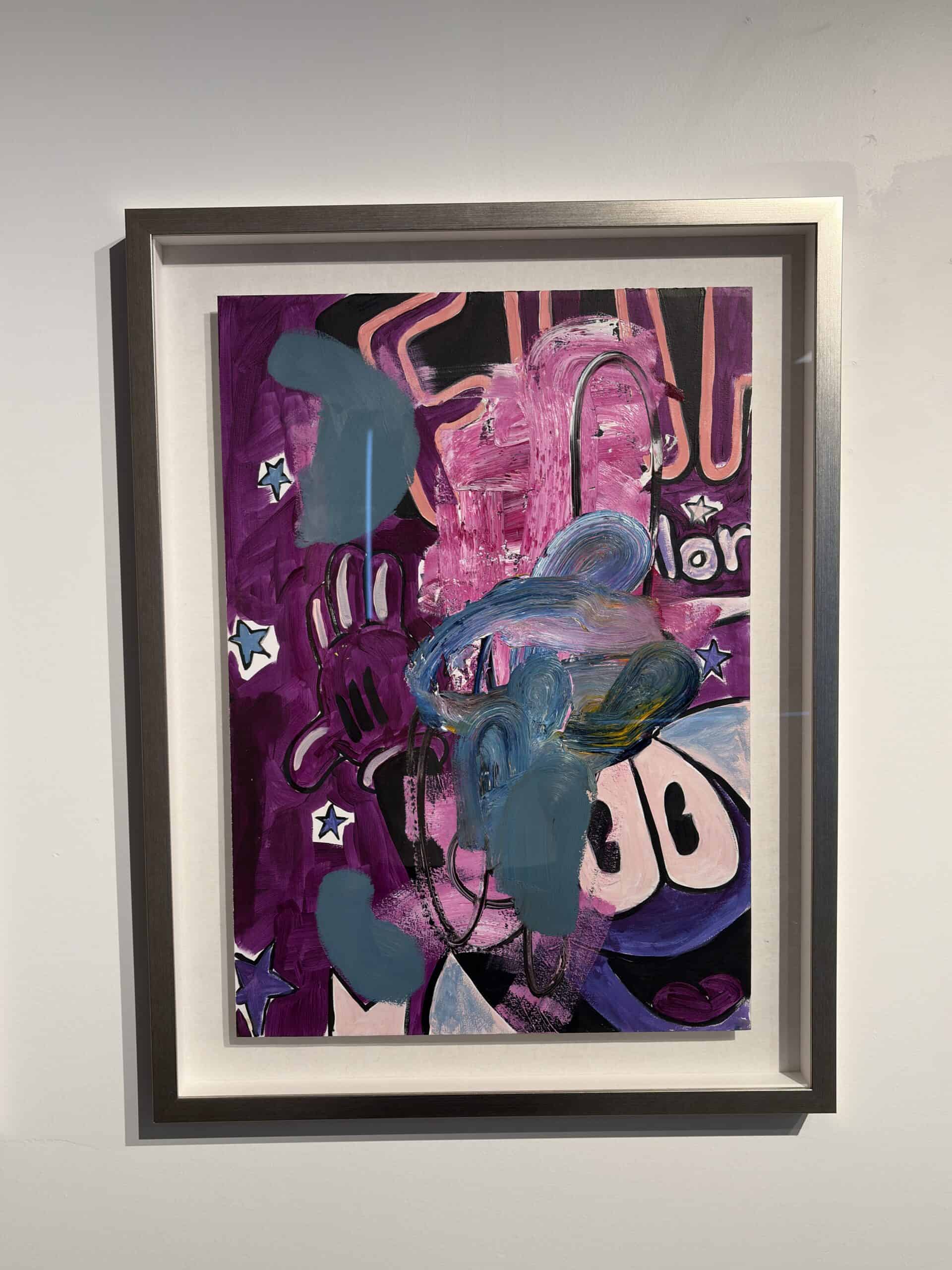
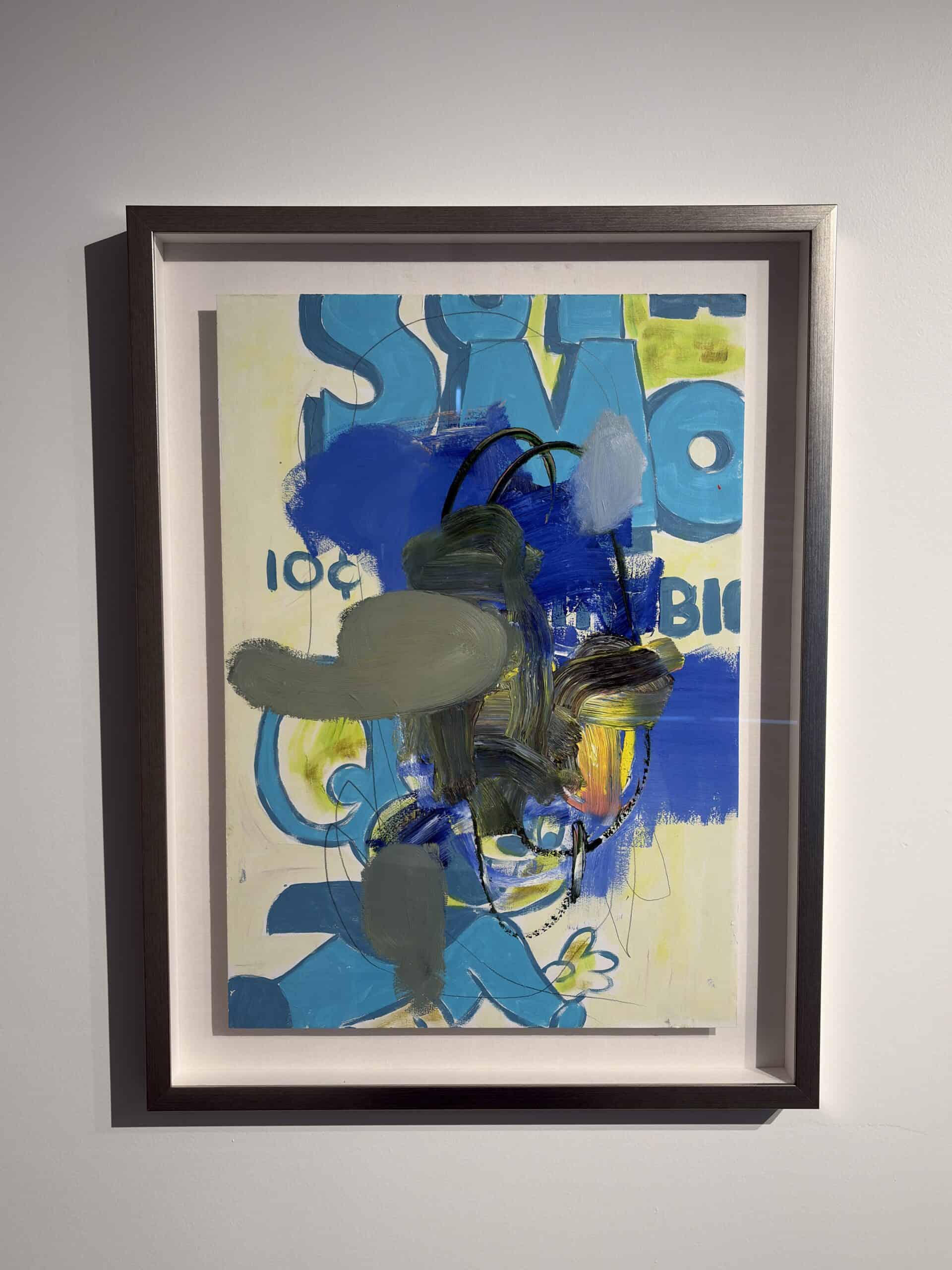
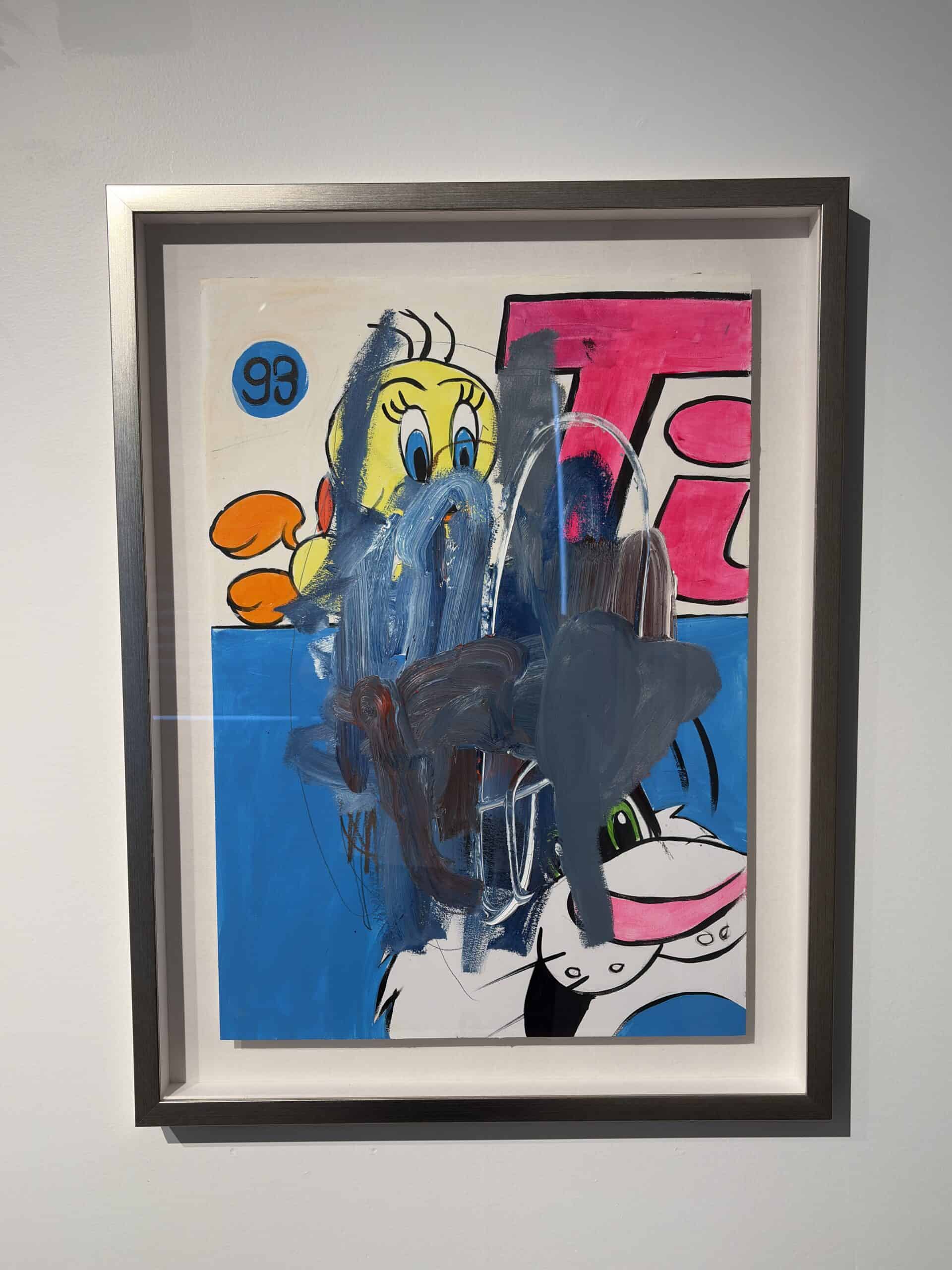
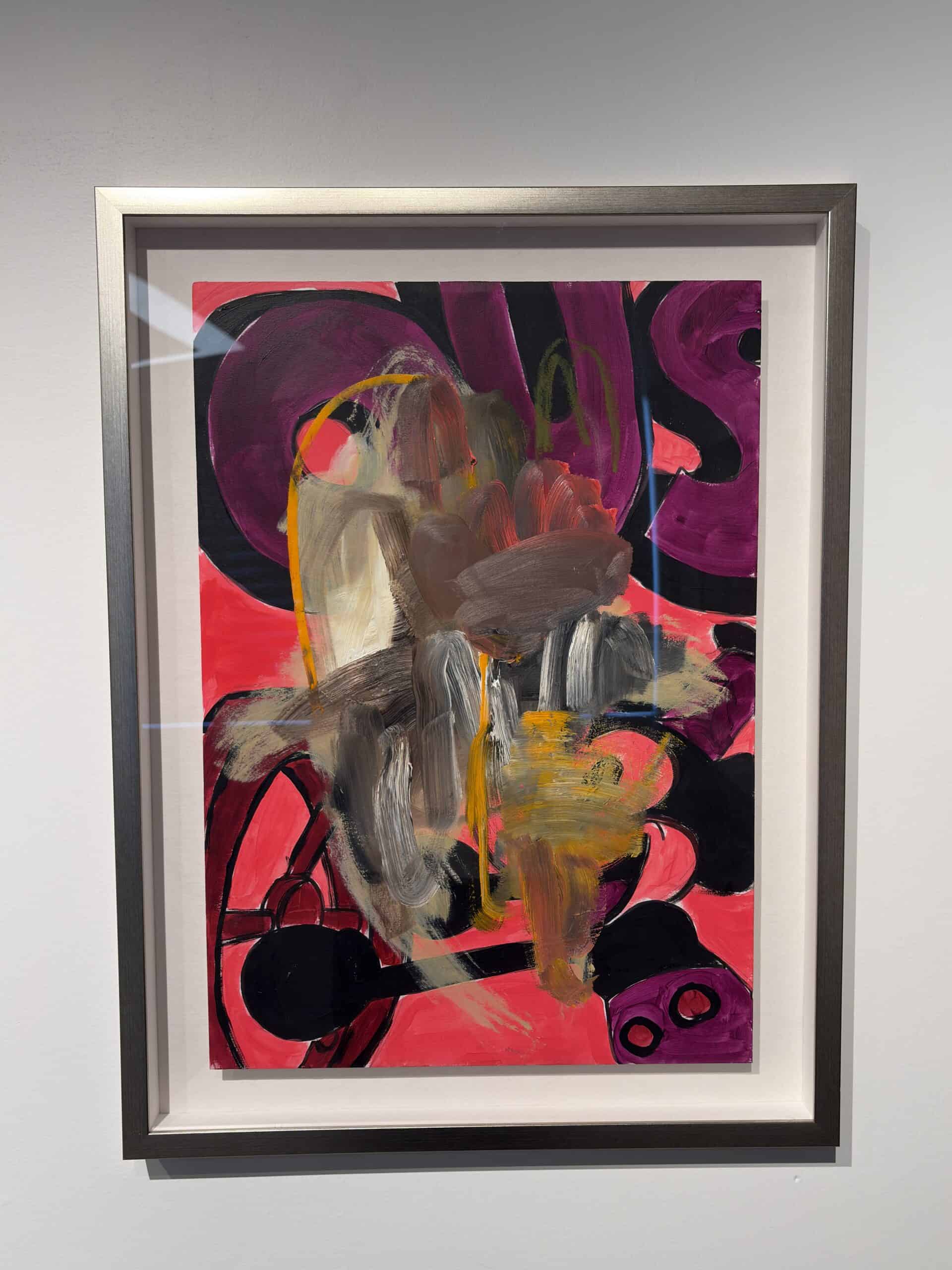
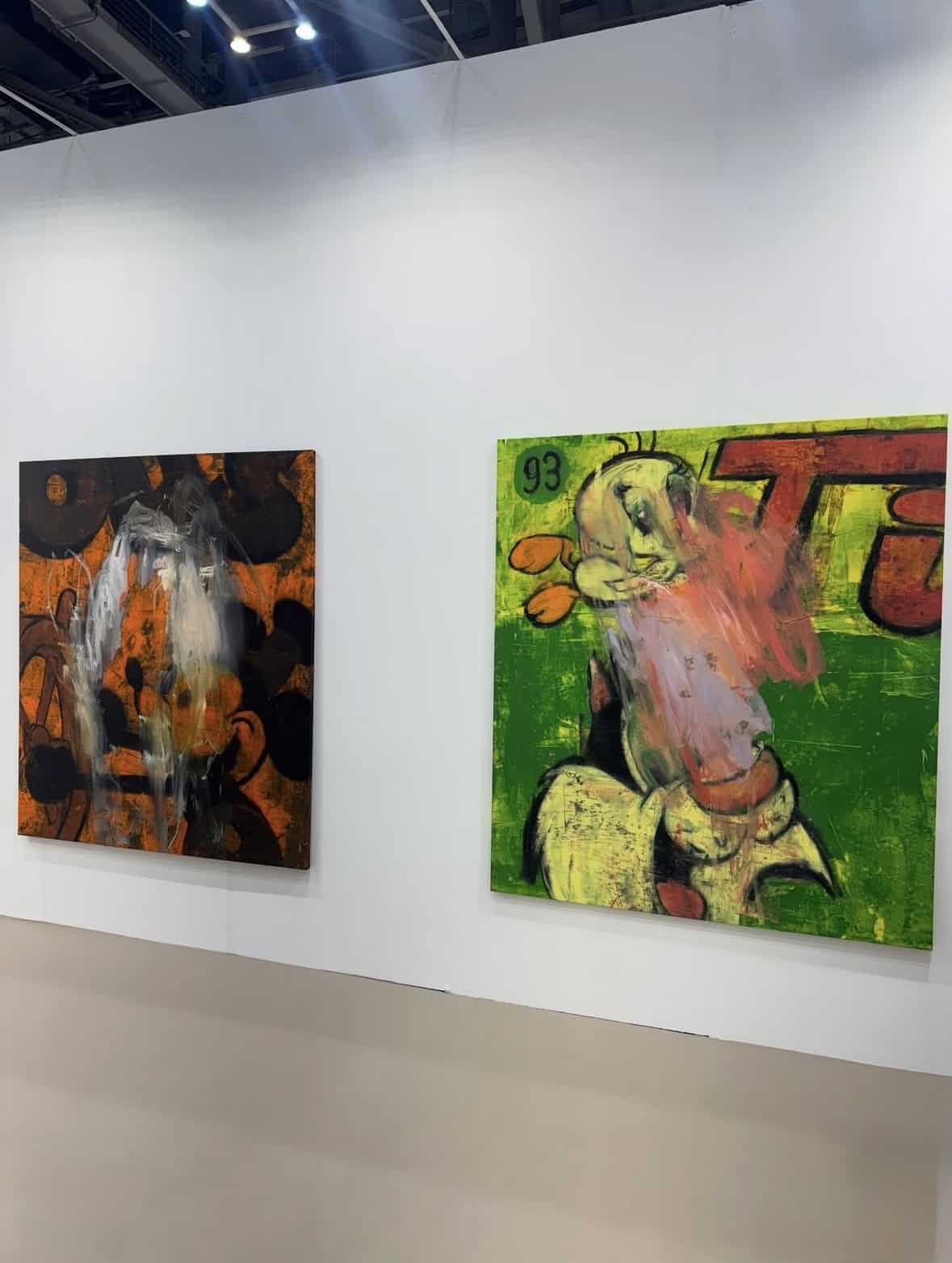
The violence in my paintings has always been about erasure. I take images everyone recognises and overpaint them until they barely survive. What’s left is damaged and alive at the same time.
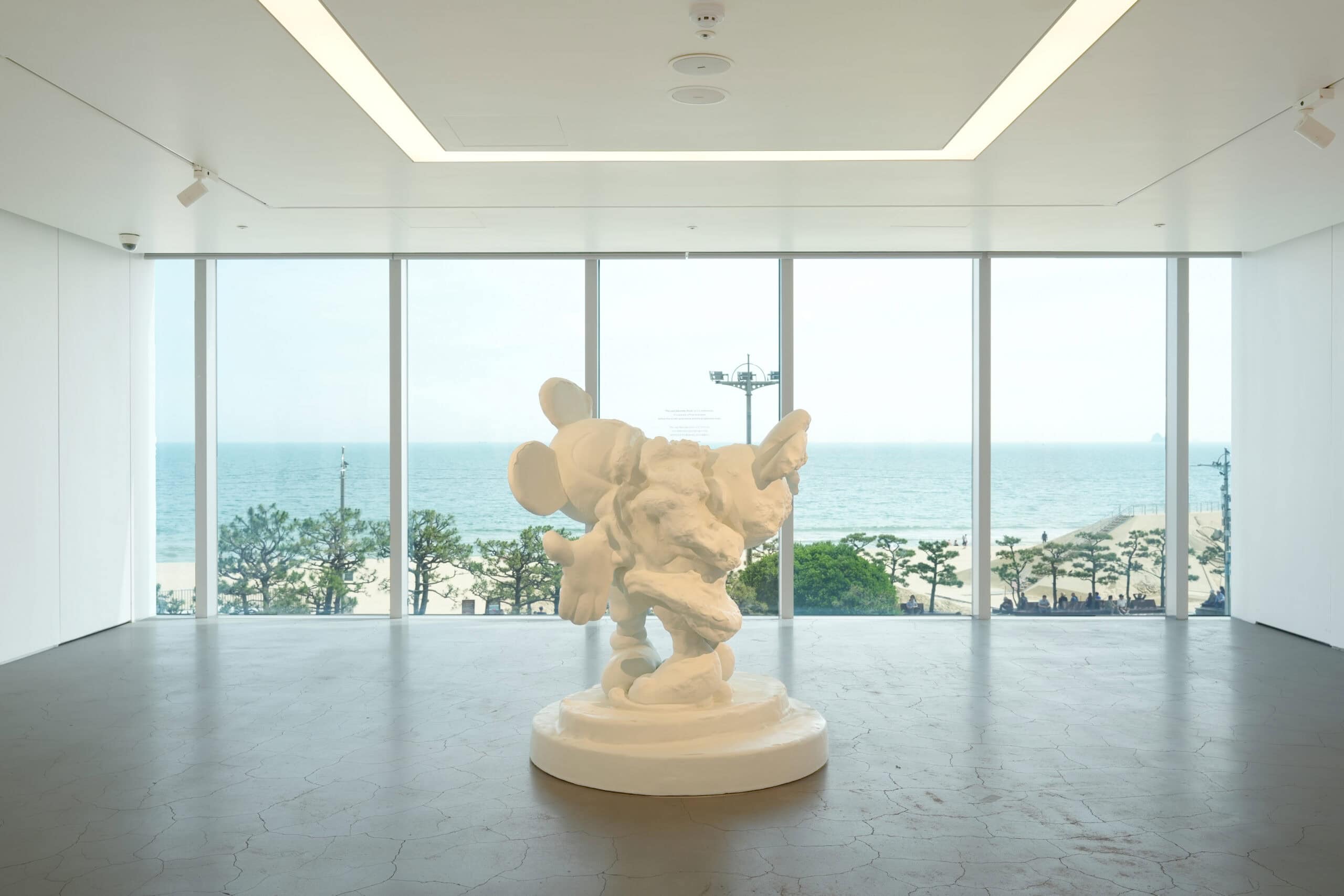
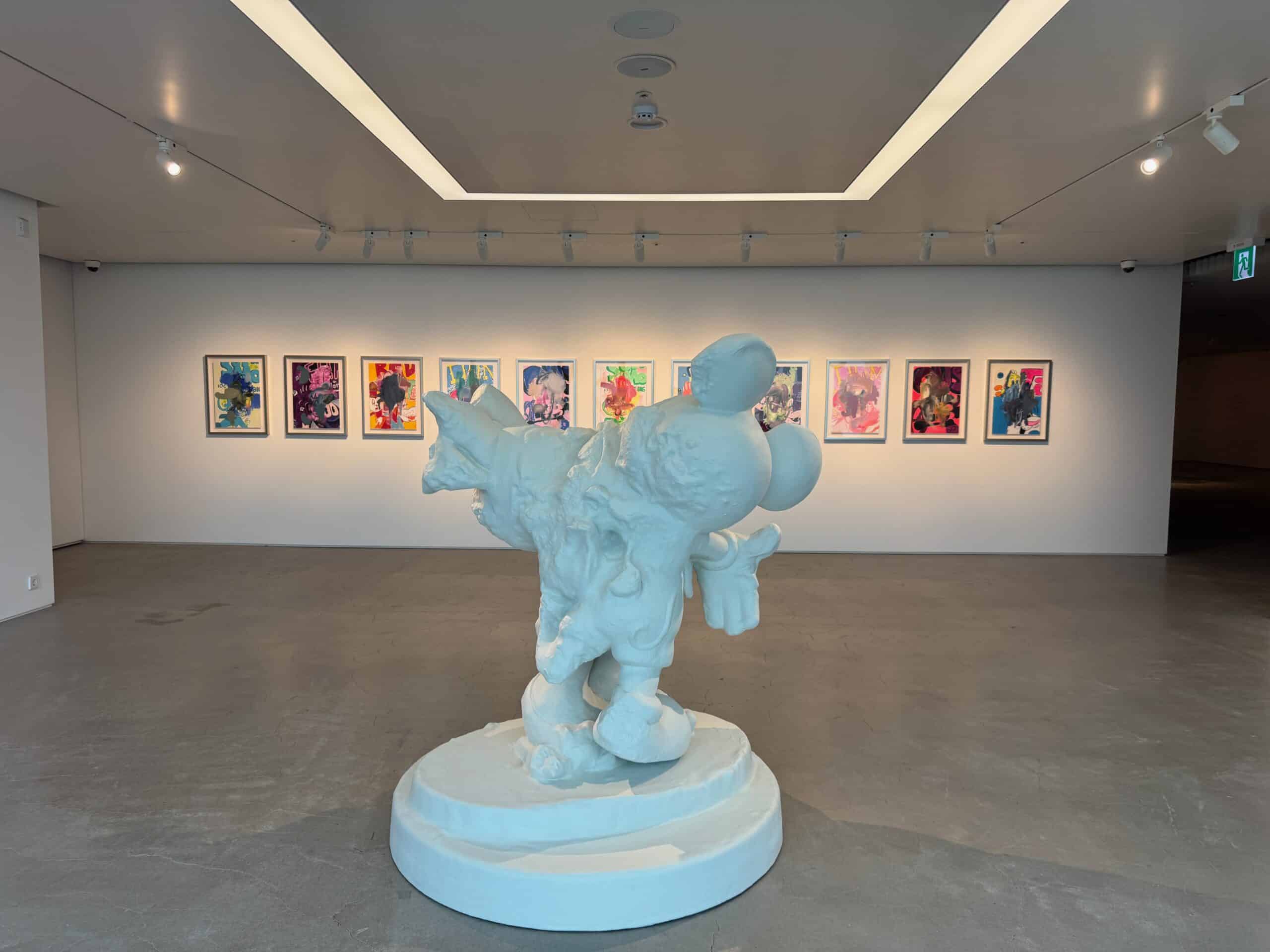
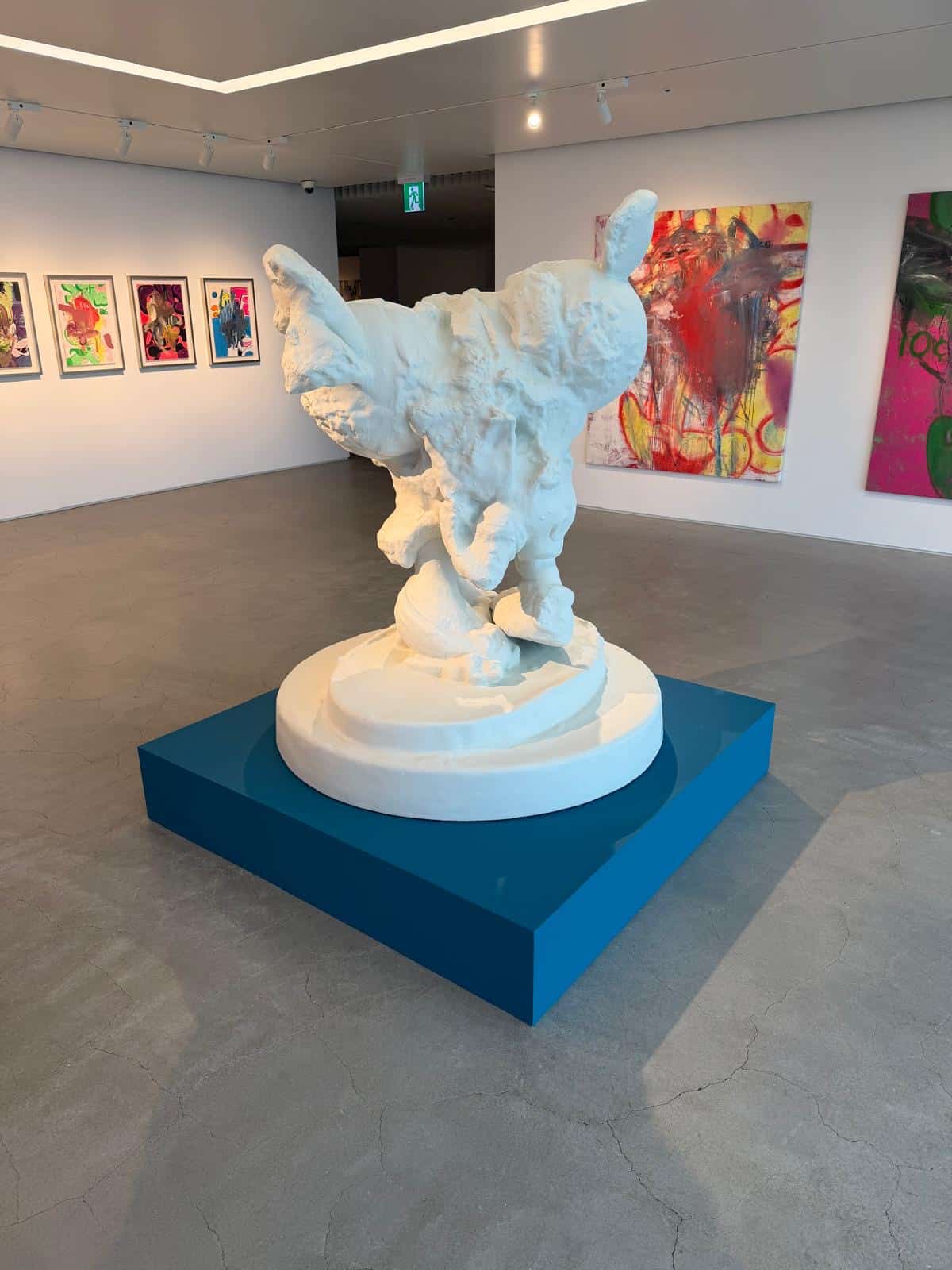
These sculptures came from the same impulse. But here, the distortion doesn’t sit on the surface. It is the surface and the object.
We tell ourselves our childhoods were clear. That the memories are clean and the characters we loved were simple. But nothing stays pristine. Memories naturally warp, decay, and glitch — leaving us with a corrupted file we keep trying to play back.
I took these characters — the ones everyone knows, the ones built to be perfect, permanent, and commercially sweet — and I destroyed them deliberately. What comes out the other side are monuments to that distortion.
‘The Happiest Place On Earth’ (2026) 165 cm × 100 cm FRP
‘Best Before 1955’ (2026) 165 cm × 100 cm FRP